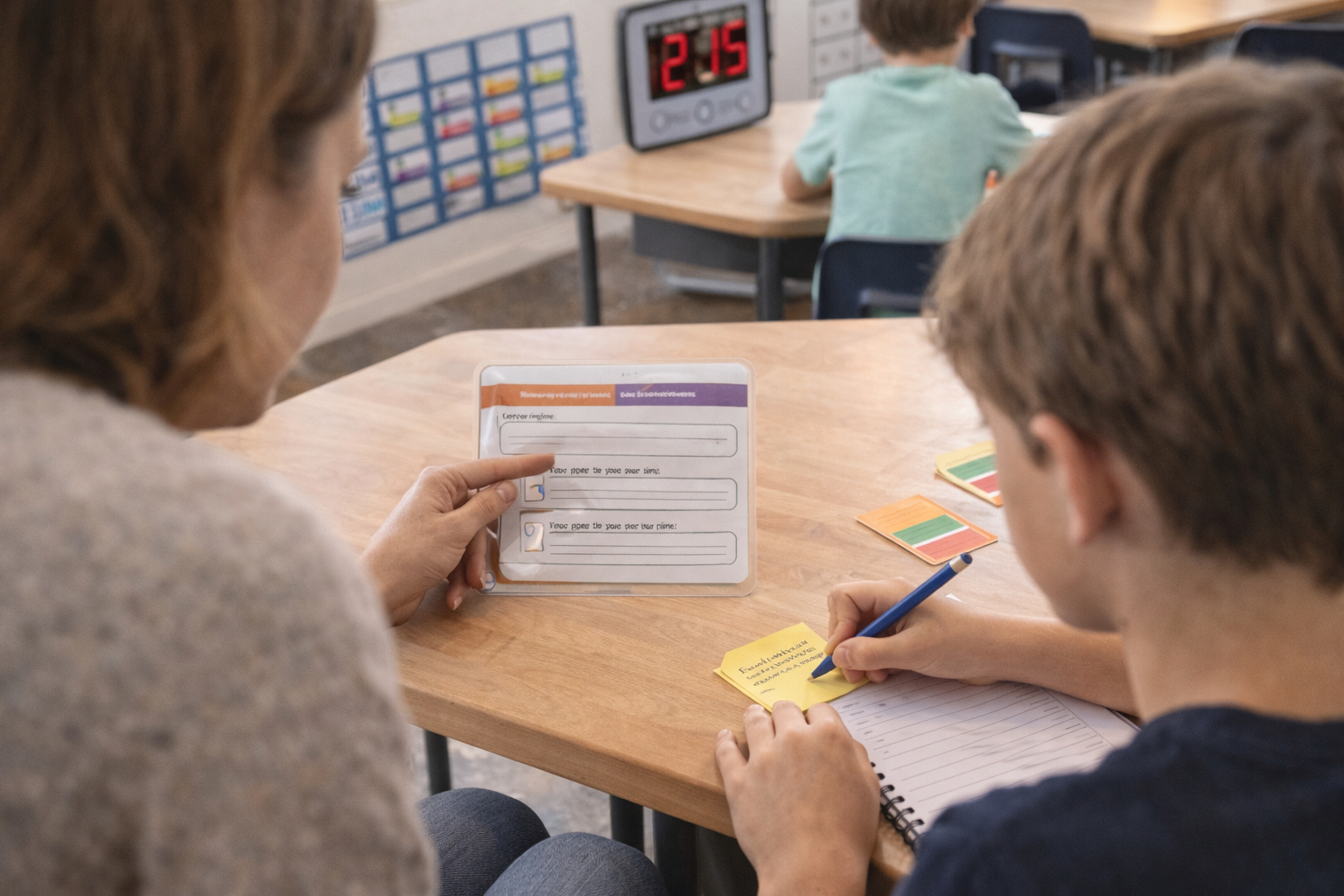
Teachers who focus on small, consistent habits can shift classroom culture toward greater student self-management. Habit-based approaches break large goals into repeatable routines that students can internalize. These routines reduce cognitive load and create predictable opportunities for practice and reflection. The result is a classroom where students gradually take more responsibility for planning, monitoring and adjusting their own learning.
Why Habit-Based Approaches Work
Habits automate frequently used behaviors so learners spend less effort on logistics and more on thinking. Repeating short, clear routines turns one-off instructions into reliable patterns, which helps students build confidence and independence. When teachers focus on frequency and clarity rather than extensive novelty, change becomes sustainable. Habit formation also supports metacognition by making reflection and planning regular parts of class time.
- Consistency reduces decision fatigue.
- Predictable steps make expectations explicit.
Starting small and measuring often helps refine routines to fit a specific classroom. These small wins build momentum for larger instructional shifts.
Designing Short Classroom Rituals
Design rituals that take no more than five minutes and serve a single purpose, such as check-ins, planning, or self-assessment. Keep language consistent: the same prompts and templates help students internalize the steps. Use visual cues or timers so procedures are clear without repeated explanation. Embed rituals into transitions, start-of-class, or wrap-up moments to ensure they happen reliably.
- Two-minute exit tickets focused on one learning target.
- Quick goal-setting at the start of a project session.
Rituals feel lightweight to teachers but compound into meaningful practice for students. Iterate based on student feedback and observable compliance.
Monitoring Progress Without Over-Testing
Monitoring should be formative and woven into existing habits rather than added as high-stakes checks. Use brief evidence-gathering moves like sticky-note confessions, one-sentence summaries, or peer-checks to gauge understanding. Collecting small, frequent data points gives a clearer picture of student growth than occasional summative tests. Share patterns with students so they learn to interpret feedback and adjust their approaches.
- Quick self-ratings on a 1–4 scale.
- Peer feedback protocols focused on one improvement target.
Minimal, regular monitoring sustains the habit loop of cue, routine, and reward. Students learn to see assessment as a tool for improvement rather than judgment.
Practical Examples and Templates
Provide students with simple templates that scaffold planning, monitoring, and reflection. Templates might include a three-question exit form, a short project planner, or a daily focus checklist. Introduce one template at a time and model its use so students understand the expected process. Over weeks, reduce scaffolding to encourage independent use.
Templates are transitional supports that accelerate habit adoption. Gradual withdrawal keeps ownership with students while preserving consistent practice.
Conclusion
Consistent, small routines make self-management teachable and sustainable. By designing short rituals, monitoring progress unobtrusively, and using simple templates, teachers create conditions for student ownership. Over time, these habit-based approaches shift responsibility to learners and improve classroom efficiency.