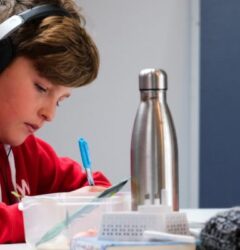
Independent learning equips students to take ownership of their education and adapt to changing expectations. Developing these habits early improves focus, resilience, and long-term academic results. Teachers and parents can scaffold autonomy while preserving structure and feedback. Examples and consistent encouragement make the difference. This article outlines practical steps to encourage consistent, sustainable independent study routines.
Understanding Independent Learning
Independent learning is more than working alone; it involves planning, self-monitoring, and reflecting on progress. Students who set clear goals and break tasks into manageable steps are likelier to sustain effort and achieve outcomes. Educators should teach metacognitive strategies so learners can evaluate what methods work best for them. Regular reflection helps transform occasional initiative into habitual practice.
Creating a culture that values curiosity and persistence reinforces these skills. Small, repeatable routines reduce procrastination and build confidence over time. When autonomy is coupled with supportive guidance, students are empowered rather than overwhelmed.
Practical Strategies and Tools
Start by helping students set specific, measurable goals and a realistic schedule. Introduce planning tools such as simple checklists, digital calendars, or study logs to make time visible and accountable. Teach techniques like the Pomodoro method to improve concentration and include brief self-testing sessions to reinforce memory. Modeling how to prioritize tasks shows practical decision-making in action.
- Use short, focused study blocks with clear objectives.
- Encourage self-assessment through quick quizzes or summaries.
- Offer templates for planning and reflection to reduce setup friction.
Consistent use of these tools turns planning into a habit and reduces cognitive load. Over time students learn to adapt tools to their personal learning preferences and workloads.
Measuring Progress and Motivation
Regular checkpoints help learners see progress and adjust strategies when necessary. Provide structured opportunities for feedback that emphasize improvement and effort rather than only outcomes. Celebrate small wins to maintain momentum and foster a growth mindset that values learning from mistakes. Quantitative measures like completed tasks, and qualitative reflections both offer useful insight.
Encourage students to track patterns in productivity and engagement to identify effective routines. Motivation grows when learners can connect the work they do to clear, personally meaningful goals. Supportive accountability—peers, mentors, or short teacher check-ins—can make independent study sustainable.
Conclusion
Building effective independent learning habits is a gradual process that blends strategy, practice, and reflection. With clear goals, practical tools, and regular feedback, students gain autonomy and confidence in their abilities. Educators and caregivers who provide structure and encouragement help learners turn short-term efforts into lasting skills.