Students who organize brief, repeatable study sequences report better focus and clearer transitions between tasks. A learning playlist is a short, intentional sequence of activities students can follow to start, sustain, and end study sessions. These playlists combine metacognitive prompts, active practice, and brief reflection so each session feels purposeful and efficient. This article outlines why playlists work and offers practical steps teachers can use to help learners create their own.
Why a Learning Playlist Works
A playlist reduces decision fatigue by replacing vague intentions with a predictable sequence of actions. When students know what to do next, they spend less time dithering and more time learning. Playlists also scaffold metacognition: simple prompts within a sequence remind learners to monitor understanding and adjust strategies. Finally, short routines create frequent opportunities for feedback and micro-adjustment, which supports steady improvement.
These effects combine to make study sessions more consistent and productive. A playlist is most useful when it is short, portable, and adaptable to different tasks. It becomes a habit when practiced regularly.
How to Guide Students to Build One
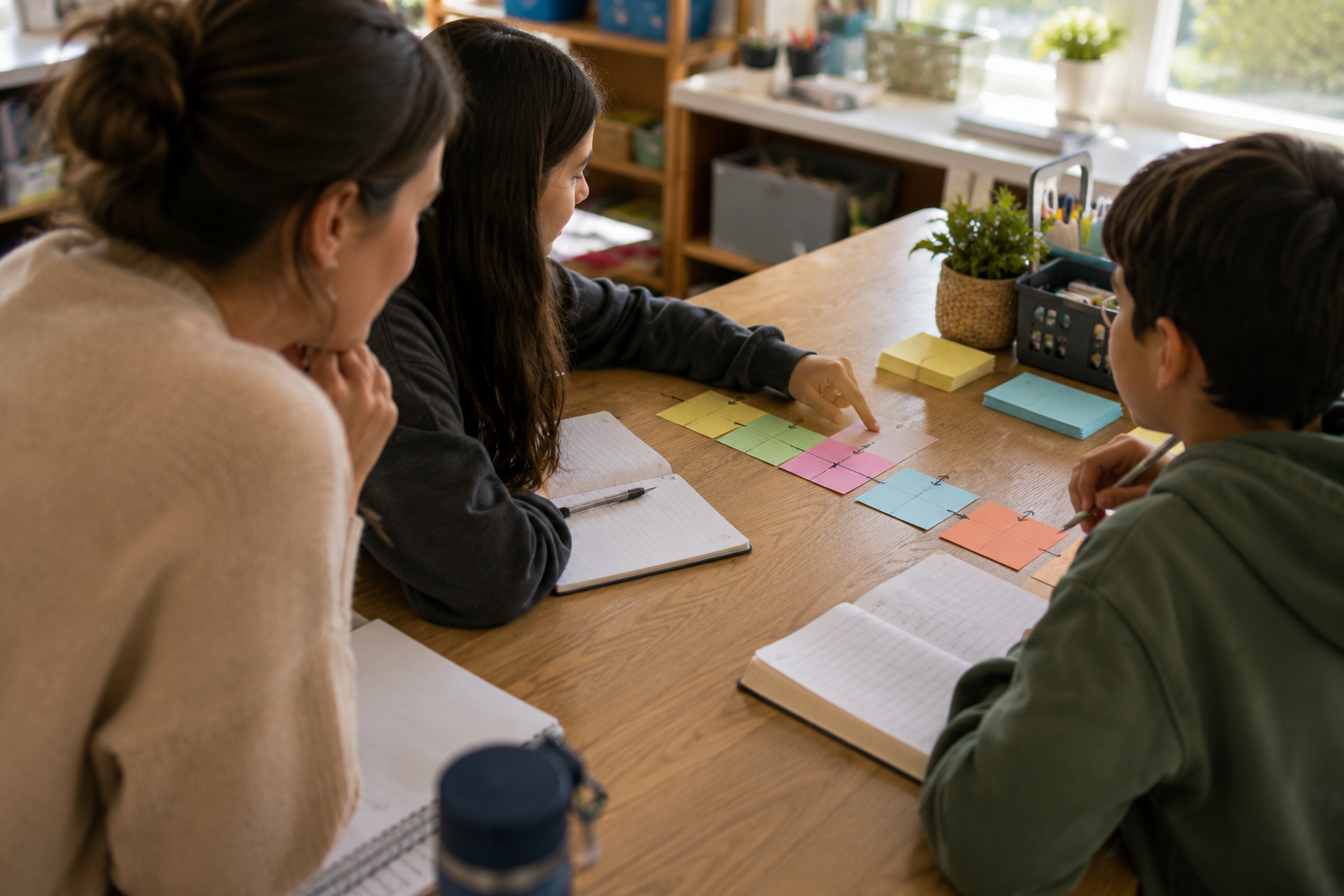
Begin by presenting a basic template: a brief warm-up, a focused practice block, a quick check for understanding, and a closing reflection. Invite students to customize each step to match their subjects and personal preferences. Encourage them to write down a 4–6 item sequence that can fit into a single study period of 20–40 minutes. Offer examples and model the sequence with a think-aloud so learners see how choices map to outcomes.
Next, run short experiments: have students try their playlist for several sessions and record what worked. Prompt them to refine wording, timing, and specific prompts based on data. Iteration helps the playlist become genuinely useful rather than an imposed routine.
Classroom Examples and Quick Tips
Examples can make playlists concrete: a reading playlist might start with a 2-minute preview, follow with 15 minutes of focused reading, include a 3-minute summary aloud, and close with a one-minute goal for the next session. A math playlist might begin with a 1-minute review, include two worked examples, and finish with self-check questions. Keep examples concise so students can adapt them quickly.
- Keep playlists short and specific.
- Use prompts that encourage active retrieval and reflection.
- Encourage peer-sharing so students borrow effective items.
Over time, small adjustments and shared ideas help playlists spread and improve. Teachers should celebrate small wins to reinforce consistency.
Conclusion
Learning playlists give students a simple structure to begin, sustain, and end study sessions. They reduce friction, support metacognition, and are easy to personalize and iterate. With modest teacher support, playlists become durable tools for independent learning.