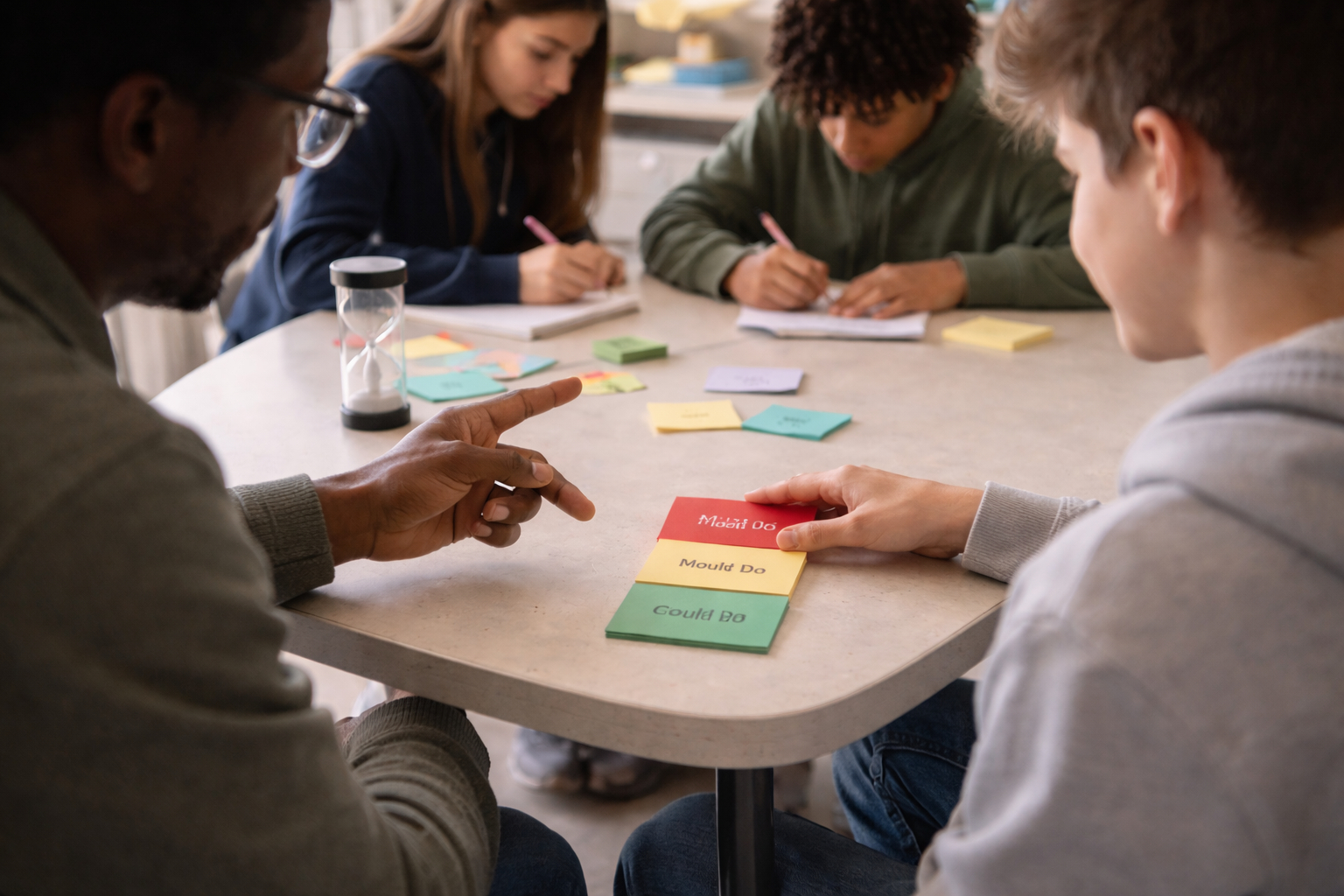
Students often juggle many tasks and struggle to focus on what matters most, which can sap motivation and slow progress. Teaching prioritization helps learners allocate time and mental energy more effectively and builds transferable planning skills. Small classroom practices can make prioritization concrete and learnable without adding heavy workloads for teachers. This article outlines practical steps teachers and students can use to choose and order learning tasks with intention.
Why prioritization matters
Prioritization reduces cognitive overload by clarifying immediate goals and distinguishing essential work from nice-to-have activities. When students understand priority, they make better choices about study sequences, deadlines, and resource allocation. Clear priorities also support motivation because progress on high-impact tasks produces visible results and reinforces effort. Finally, prioritization cultivates metacognitive awareness, helping students reflect on how they spend time and where adjustments are needed.
Teaching this skill is an investment: it shortens feedback loops and improves long-term learning outcomes. By highlighting impact rather than volume, educators can help students see the value of disciplined choices.
Classroom methods to teach prioritization
Start with simple tools: task lists that separate urgent from important items, brief goal-setting routines at lesson start, and check-ins that ask students to name the top one or two learning targets. Model the process by thinking aloud as you choose which problems or projects to tackle first, explaining trade-offs and time estimates. Use small, consistent prompts such as an priority card students update daily to reinforce the habit of sorting tasks by value and effort. Incorporating these routines into existing lessons keeps the approach scalable and low friction.
- Have students rank tasks 1–3 before independent work.
- Use time-boxing for focused practice blocks.
- Require a one-sentence priority justification at the top of assignments.
These activities turn abstract advice into repeatable behaviors that students can internalize across subjects and contexts.
Helping students apply prioritization independently
Gradually move responsibility to students by using reflection prompts and short self-assessments that ask what worked and what should come next. Encourage peer conversations where students explain their priorities and receive constructive feedback; verbalizing choices strengthens metacognition. Provide tools for different ages, such as visual anchors for younger learners and planning templates for older students, then reduce scaffolds as competence grows. Celebrate small wins to reinforce that good prioritization yields tangible progress.
Over time, these practices help learners become more strategic, confident, and resilient when managing competing demands. The goal is a routine students can adapt beyond the classroom.
Conclusion
Teaching prioritization is a practical way to boost focus, efficiency, and student agency. Small, consistent classroom routines make the skill teachable and transferable. With regular practice, students learn to choose tasks that accelerate learning and build lasting habits.
Related Articles

Recent Posts

Structured Student Planning for Consistent Independent Learning
Chunked Task Planning to Strengthen Student Focus and Progress
Scaffolding Choice: Building Student Skill Through Small Decisions
Turning Work Routines into Strategic Career Momentum
Design Intentional Work That Demonstrates Career Potential


