Montessori education is more than just an alternative schooling method—it’s a philosophy that nurtures curiosity, self-discipline, and independence from an early age. Developed by Dr. Maria Montessori over a century ago, this child-centered approach encourages students to explore, question, and learn at their own pace. The result? Lifelong learners who think critically, solve problems creatively, and thrive in the real world.
Freedom Within Structure: The Core of Montessori Learning
In Montessori classroom, freedom doesn’t mean chaos. Students are given the autonomy to choose their activities within a structured environment that fosters focus and respect. Teachers act as guides rather than lecturers, observing and supporting students as they explore lessons tailored to their developmental needs. This balance helps children develop decision-making skills and a sense of responsibility—key traits of independent thinkers.
Hands-On Learning That Inspires Curiosity
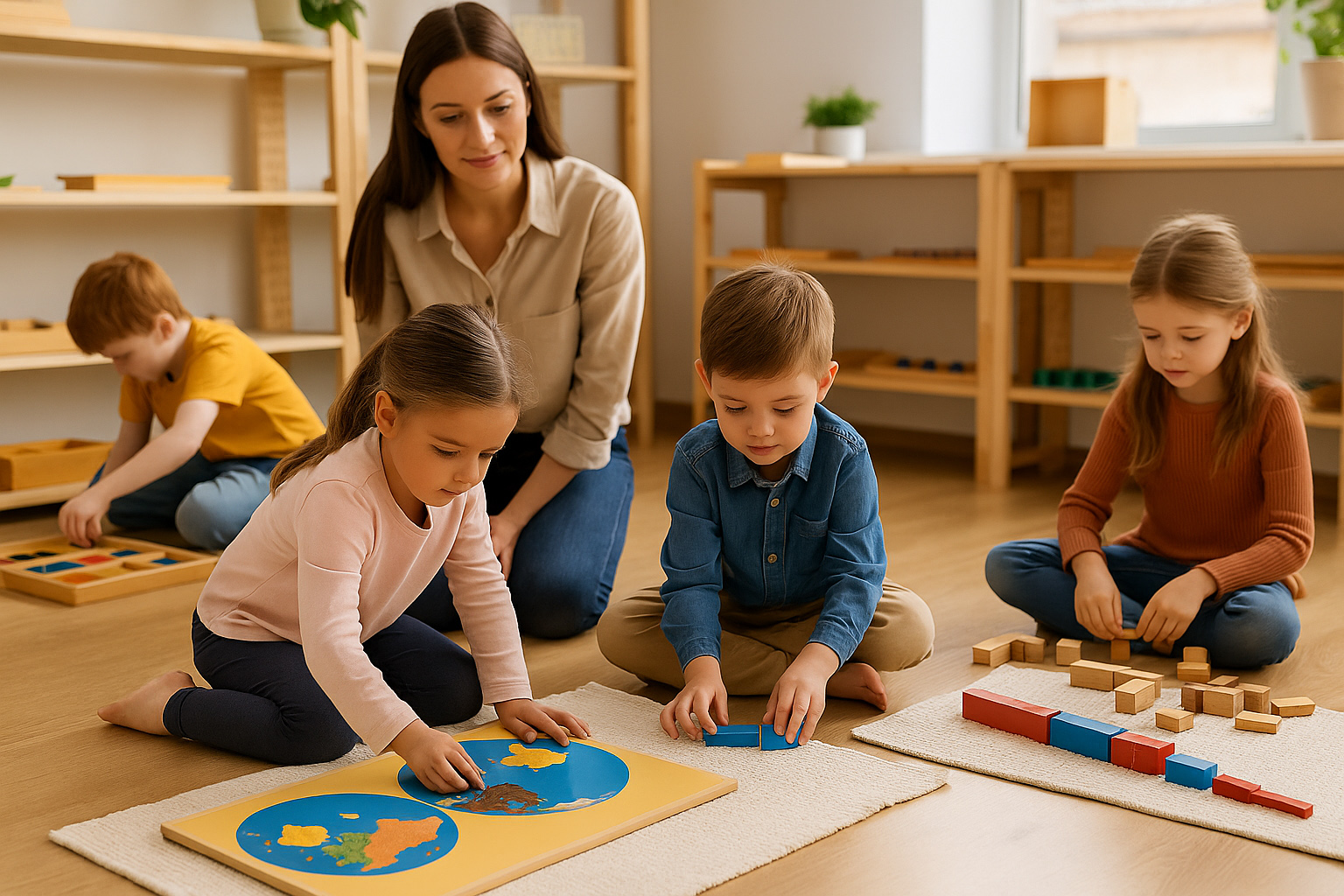
Montessori classrooms emphasize tactile, experiential learning. Instead of memorizing facts, students use real objects and interactive materials to understand abstract concepts. For instance, math lessons involve beads and counters, while geography is explored through physical maps and models. This hands-on approach deepens comprehension, making learning a joyful, self-driven process rather than a chore.
Multi-Age Classrooms That Encourage Collaboration
Another unique aspect of Montessori education is its mixed-age setting. Younger students learn from older peers, while older ones reinforce their understanding by teaching others. This model promotes empathy, leadership, and cooperation—skills that prepare children for both academic success and interpersonal relationships. By working in such environments, students learn how to share knowledge and respect different learning paces.
Developing Critical Thinking and Emotional Intelligence
Montessori schools emphasize not only intellectual growth but also emotional development. Students learn to reflect on their work, manage frustration, and persevere through challenges. These experiences shape resilient, confident individuals capable of self-assessment and growth. The ability to think independently, combined with emotional awareness, gives Montessori learners a significant advantage in both their studies and personal lives.
Conclusion
Montessori education equips children with more than academic knowledge—it builds the mindset and habits of lifelong thinkers. By empowering students to take charge of their learning journey, it cultivates confidence, curiosity, and a deep sense of independence. In an ever-changing world, these qualities are the foundation of true success.