Trying new classroom routines can feel risky, but prototyping makes change manageable. Small, testable routines let teachers see what works without upending instruction. Rapid cycles reveal practical benefits and unintended costs early. This approach supports gradual improvement and builds teacher confidence.
Why prototype routines before full adoption
Prototyping reduces uncertainty by isolating one variable at a time, so teachers can evaluate impact without large-scale disruption. It creates a controlled environment to collect quick feedback from students and adjust details like timing, wording, or materials. When routines are iterated in short cycles, improvements are evidence-based rather than guesswork. This method also models experimentation for students, encouraging a classroom culture that values reflection and change.
Prototypes allow teachers to test equity and accessibility concerns early, ensuring routines work for diverse learners. They also support professional collaboration: colleagues can observe or co-design small trials. These benefits help teachers scale what genuinely supports learning.
A simple prototyping cycle teachers can use
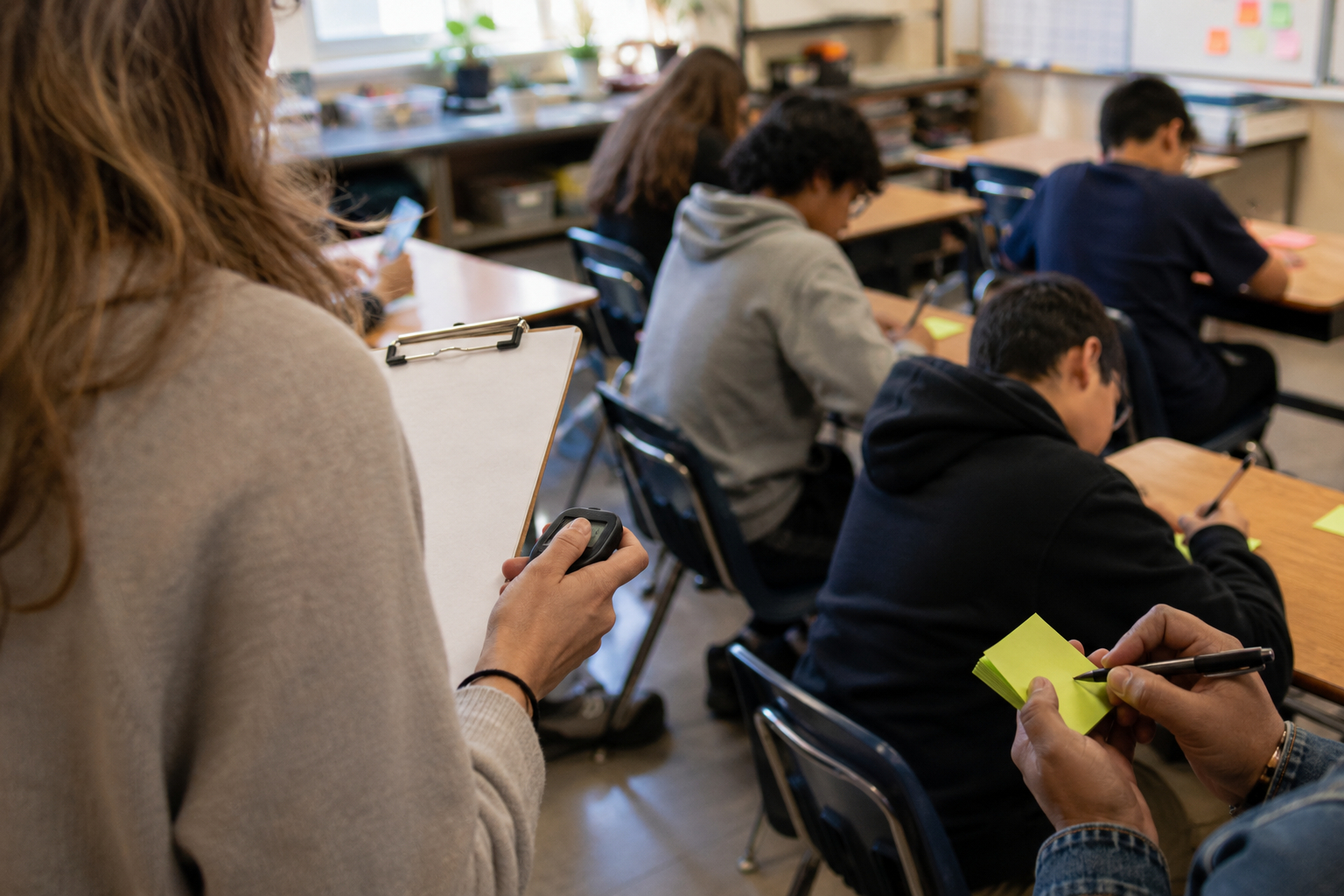
Start by defining a clear, narrow goal for the routine, such as reducing transition time or increasing student ownership of warm-ups. Next, design a one-week pilot with explicit steps, roles, and success criteria you can measure quickly. Collect data through brief observations, exit tickets, or student reflections to learn what changed. Finally, review results and adjust the routine before a second brief trial or wider rollout.
Keeping cycles short—one to two weeks—minimizes disruption and preserves instructional momentum. Repeat the cycle until the routine reliably produces the intended result.
Classroom examples and practical tips
Example prototypes include a two-minute entry task tested for a week, a silent signal for teacher attention tried during specific lessons, or a peer-feedback script piloted in a single unit. For each prototype, clarify student prompts, teacher moves, materials, and an observable measure of success. Use low-stakes data like student comments, time-on-task, or a simple checklist to guide decisions. Invite student input after the pilot to refine language and increase buy-in.
Document variations and outcomes so colleagues can replicate successful prototypes. Aim for small improvements that add up over a semester rather than sweeping changes overnight.
Conclusion
Prototype routines let teachers experiment safely and learn quickly. Small, measured trials produce actionable evidence and build teacher and student agency. Adopt the cycle of try, observe, adjust to grow sustainable classroom practices.