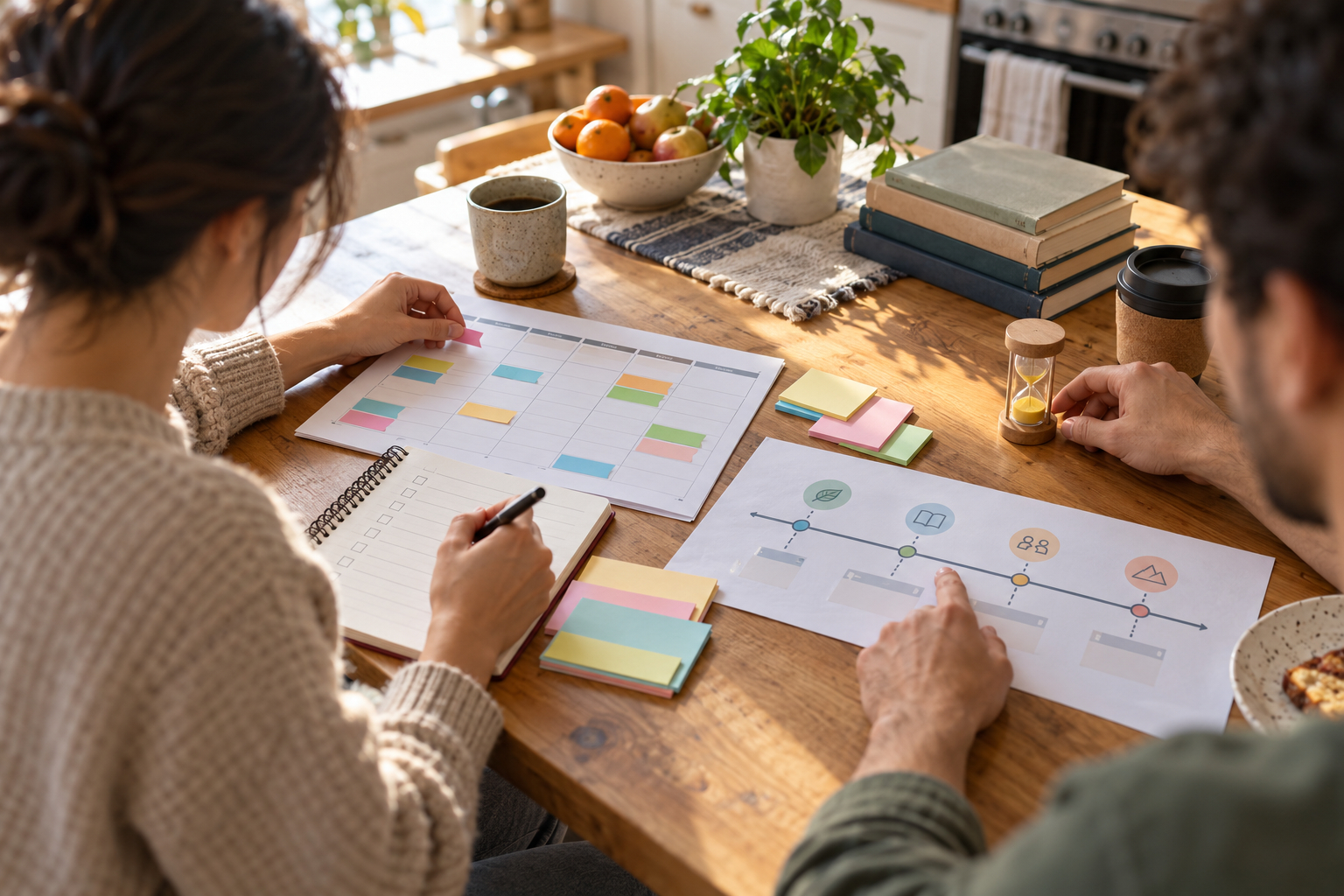
Creating a sustainable learning routine helps adults maintain motivation and make steady progress toward long-term goals. Unlike short-lived plans, a routine that fits into daily life reduces friction and decision fatigue. It should balance ambition with realism, allowing room for revisions as priorities shift. Good routines also include strategies for measuring progress and celebrating small wins. Establishing habits that respect energy levels and external commitments improves consistency over time.
Set Clear Learning Objectives
Begin by defining clear, measurable objectives that align with broader career or personal aims. Break goals into milestones that can be completed within weeks or months to sustain momentum. Use specific metrics, such as hours practiced, topics covered, or skills demonstrated, so you can track improvement objectively. Clear targets make it easier to prioritize tasks on busy days.
Revisit objectives regularly to confirm they remain relevant. Adjust deadlines and scope when life circumstances change.
Design A Flexible Weekly Schedule
Design a weekly plan that reflects your natural energy patterns and commitments. Schedule shorter, focused sessions on busy days and longer blocks when you have extended free time. Include buffer periods for catch-up and reflection to avoid falling behind. Protect at least one anchor habit, such as a morning review or an end-of-day summary, to maintain continuity.
Flexibility prevents abandonment when unexpected events occur. Small, consistent investments in time compound into meaningful progress.
Use Active Techniques and Regular Review
Favor active learning methods over passive consumption to deepen retention and application. Techniques like self-quizzing, teaching others, and spaced repetition help convert information into long-term knowledge. Apply learned concepts through projects or practice problems to build transferable skills. Schedule regular reviews to refresh memory and integrate new insights. Reflection sessions also reveal which tactics work best for your learning style.
Make review practices a non-negotiable part of the routine. Iteration keeps the system efficient and personalized.
Manage Motivation and Accountability
Identify intrinsic motivators and connect learning tasks to meaningful outcomes to sustain engagement. Set up accountability structures such as study partners, mentors, or public commitments to increase follow-through. Use short-term rewards and progress visualizations to celebrate small wins and reinforce habit formation. Monitor burnout signs and schedule restorative activities to keep momentum without sacrificing wellbeing.
When motivation dips, revisit purpose and adjust learning intensity rather than quitting entirely. Accountability and self-care together help sustain learning across busy seasons of life.
Conclusion
Building a sustainable learning routine demands clarity, flexibility, and active practice. Start small, track progress, and adapt as needed so the routine fits real life. Over time, steady effort becomes a reliable engine for growth.