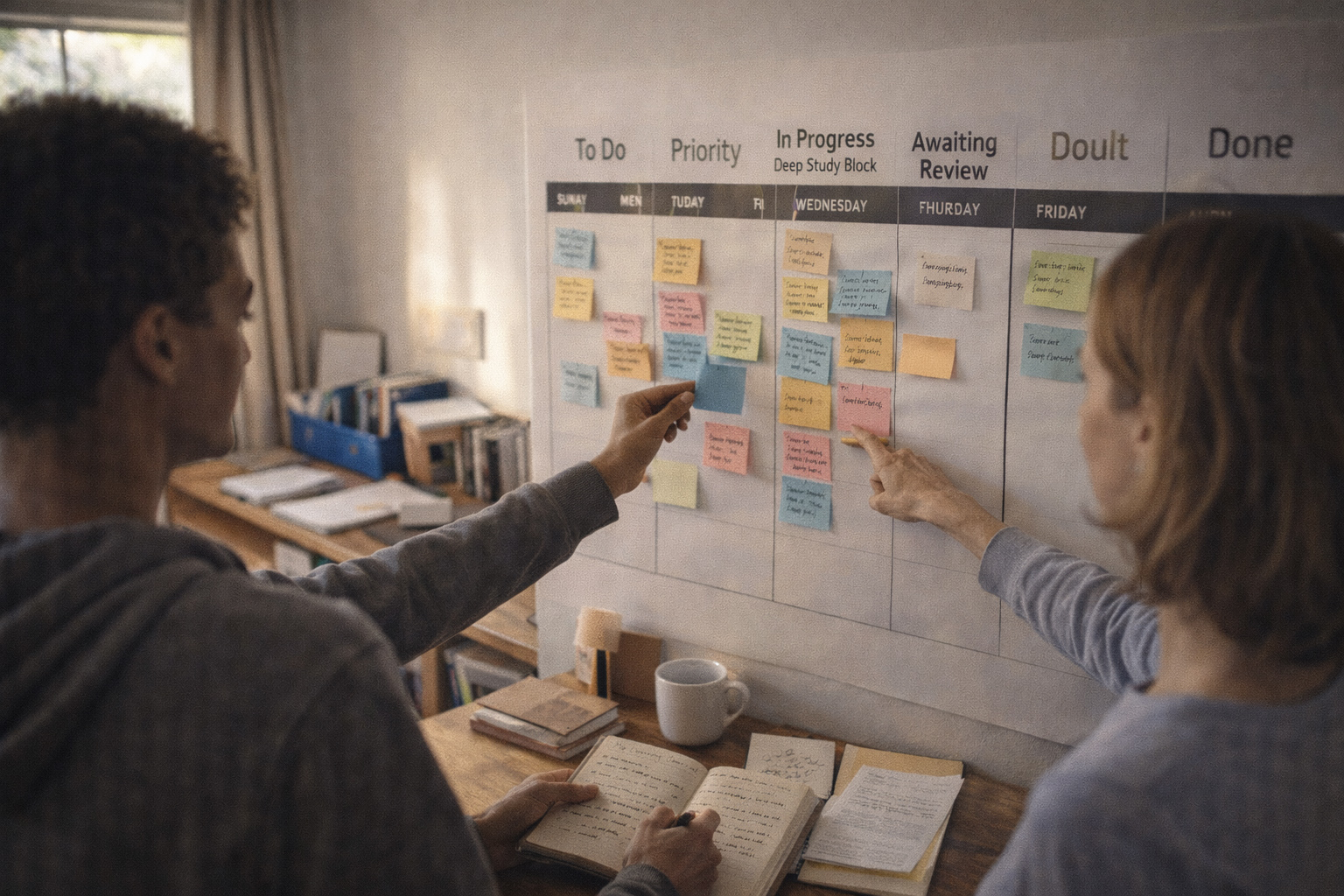
Setting priorities in learning transforms vague intentions into measurable progress. Without clear choices, time is scattered and motivation fades. This article outlines practical steps to select goals, schedule study, and adjust plans as skills develop. Use these methods to focus effort and achieve steady improvement.
Define Specific, Impactful Goals
Begin by translating broad interests into specific outcomes you can measure. Instead of “learn data science,” choose a clear milestone such as completing a course project or mastering a core concept. Prioritize goals by relevance to your role, potential for transfer across tasks, and personal motivation. This clarity reduces wasted effort and guides daily choices.
- Identify one measurable outcome per month.
- Rank goals by immediate impact and interest.
- Set a clear success indicator for each goal.
A focused target makes planning straightforward. It also helps maintain momentum when progress is visible.
Structure Time Around Deep Work
Allocate blocks of uninterrupted time for concentrated study rather than scattering short sessions. Use calendar blocks and protect them from distractions to maximize learning efficiency. Combine deliberate practice with varied activities like reading, applying, and teaching to cement retention. Regularly schedule review sessions to prevent forgetting.
Treat these blocks as non-negotiable appointments. Over time, consistent deep work compounds into major skill gains.
Leverage Resources and Accountability
Identify high-quality resources that align with your goals and learning style. Curate a short list of books, courses, and mentors, and prefer materials that emphasize practice. Join study groups or find an accountability partner to maintain consistency and provide feedback. Combining curated resources with social accountability increases adherence and deepens understanding.
- Choose 2–3 core resources per goal.
- Schedule regular check-ins with an accountability partner.
- Use project-based tasks to apply new knowledge.
Resources and people amplify individual effort. Make periodic resource audits to retire ones that stop delivering value.
Monitor Progress and Adapt Your Plan
Track small wins and setbacks using simple logs or checklists to keep momentum and learn what works. Periodically review whether goals remain aligned with evolving priorities and remove or replace objectives that no longer deliver value. Use feedback from practice, peers, or metrics to refine focus and timelines. Adapting plans prevents stagnation and keeps effort high-return.
- Weekly review of tasks.
- Monthly reassessment of goal relevance.
- Adjust time allocation based on progress.
A responsive approach turns learning into a dynamic process. Flexibility ensures time is invested where it matters most.
Conclusion
Prioritizing learning goals helps convert ambition into tangible skill. By defining clear outcomes, protecting focused study time, and adapting based on feedback, you accelerate progress. Start small, iterate, and celebrate each step forward.
Related Articles


Recent Posts

Designing Compact Choice Menus to Foster Student Decision-Making
Teaching Students to Sequence Tasks for Deeper Engagement
Practical Classroom Methods for Teaching Strategic Study Prioritization
Translate Everyday Work into Clear Professional Evidence
A Practical Process for Building Portable Career Proofs


