While classrooms provide knowledge, travel brings education to life. Every trip offers lessons that no textbook can fully capture—lessons in adaptability, culture, problem-solving, and perspective. Whether it’s navigating foreign streets, interacting with locals, or witnessing historical landmarks, travel reshapes how we understand the world and ourselves. It’s learning through living, not just reading.
Cultural Immersion: The Ultimate History and Sociology Class
Textbooks describe cultures, but travel lets you experience them. Walking through ancient cities, tasting regional cuisines, and engaging with diverse communities allow travelers to connect history, art, and sociology in real time.
Instead of reading about cultural customs, you live them—learning respect for traditions, empathy for differences, and appreciation for diversity. Travel transforms abstract concepts like globalization and identity into tangible, emotional experiences.
Building Adaptability and Problem-Solving Skills
Travel is an unpredictable teacher. Flights get delayed, directions get lost, and plans change—but these challenges train the mind to stay flexible and solution-oriented. Unlike classroom exercises, real-world situations demand quick thinking and emotional control.
Such experiences enhance resilience, confidence, and resourcefulness—skills are essential for personal and professional success. The ability to adapt and make decisions independently often stems from these travel moments, not structured lessons.
Learning Through Human Connection
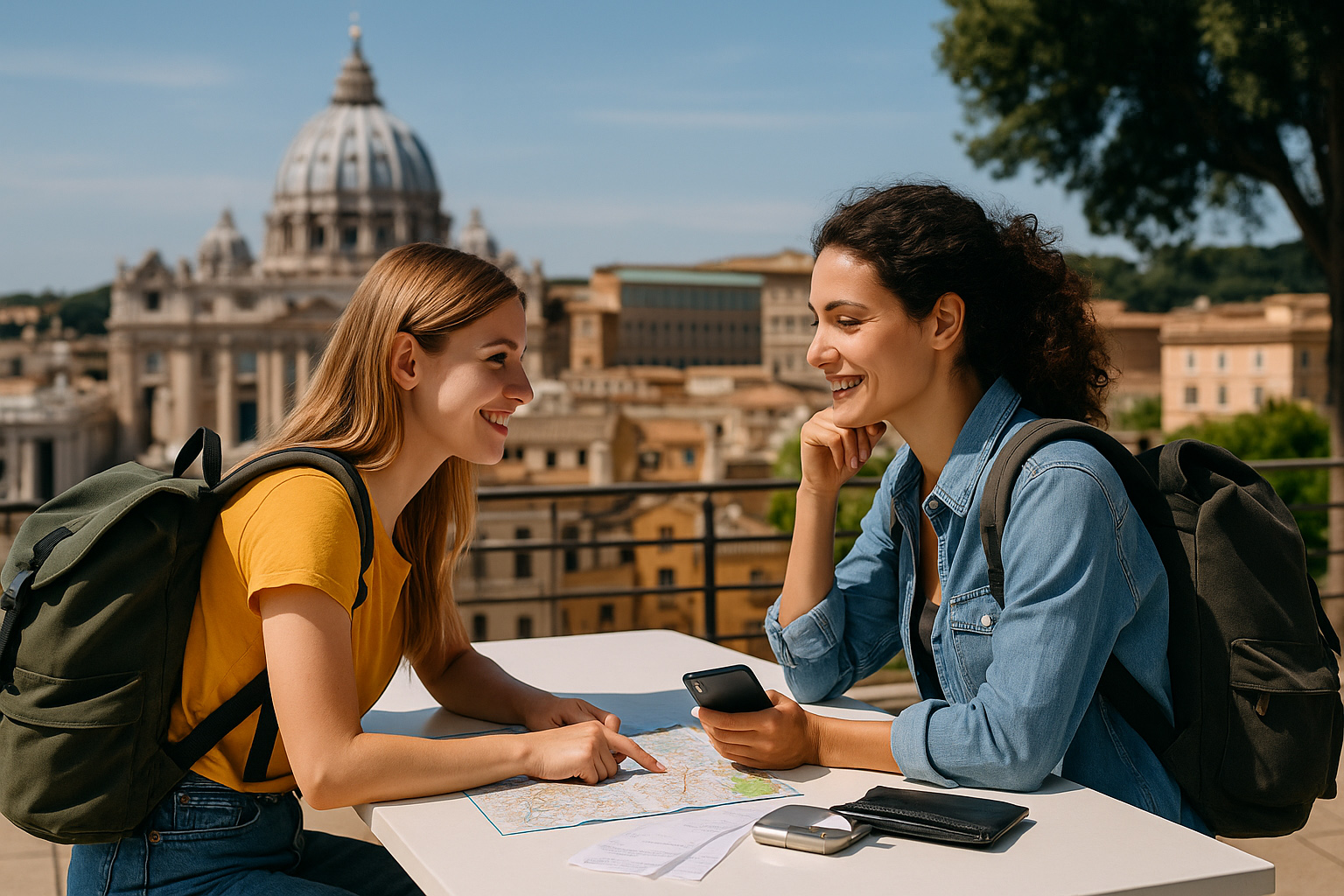
Beyond geography and history, travel teaches empathy through connection. Conversations with locals or fellow travelers offer insights into human behavior, values, and worldviews.
These interactions go beyond the limitations of language or nationality, fostering global awareness and emotional intelligence. A single shared story in a foreign café can teach more about compassion and humanity than entire chapters of a sociology book.
Nature as a Classroom
Exploring natural landscapes—from mountains to coral reefs—builds environmental awareness in ways no diagram can match. Witnessing the fragility and beauty of ecosystems deepens appreciation for sustainability and conservation.
Students of life who travel often develop a stronger sense of responsibility toward the planet, turning awareness into action.
Conclusion
Travel is not an escape from education—it’s an expansion of it. The world becomes your classroom, and every journey a lesson in empathy, adaptability, and discovery. Textbooks may teach facts, but travel teaches understanding—knowledge that lasts a lifetime.