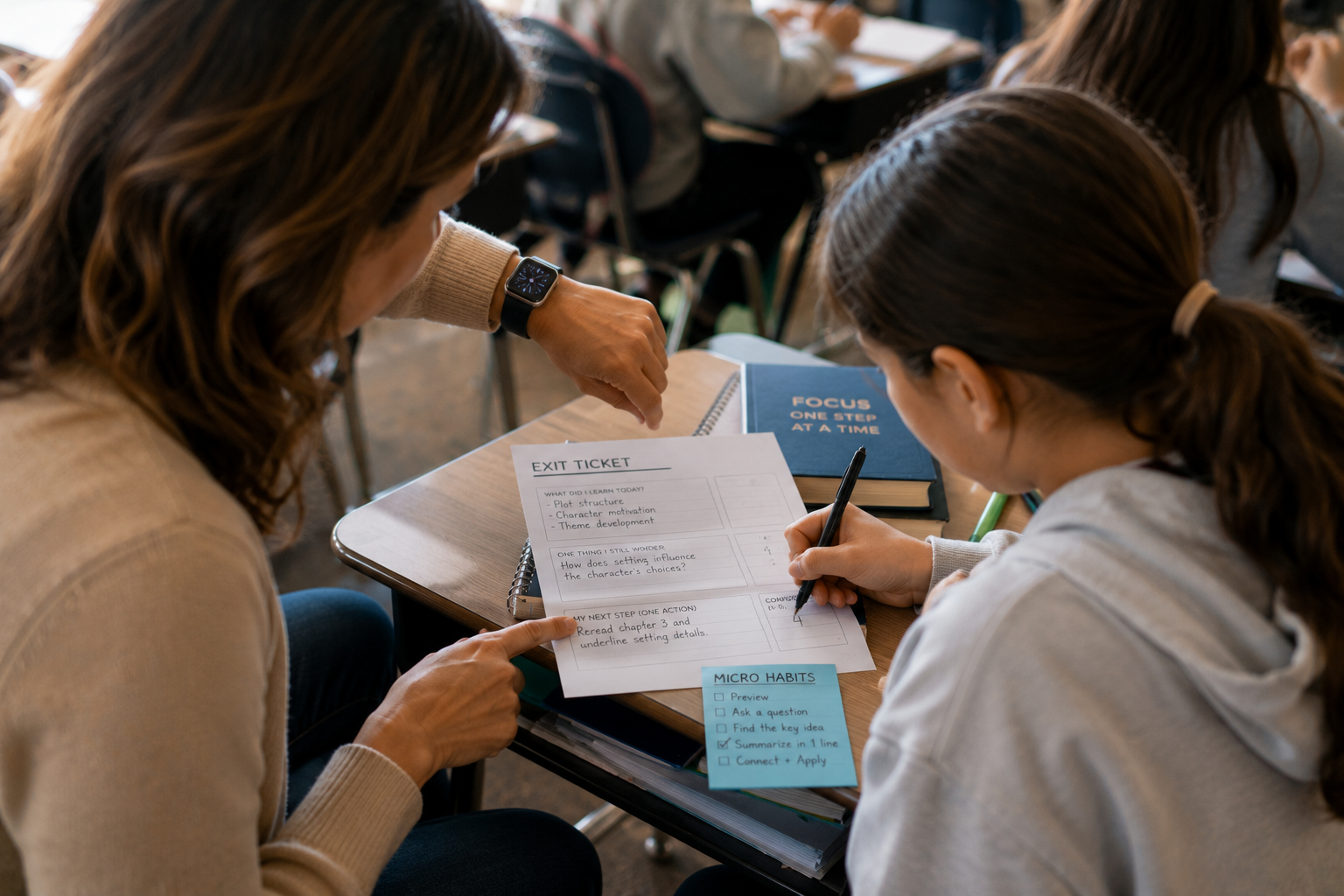
Micro-conferences are brief, targeted conversations between teacher and learner designed to accelerate progress without interrupting class momentum. They typically last two to five minutes and focus on a single learning goal or strategy, making them efficient for busy schedules. When used regularly, these exchanges build clarity, allow timely feedback, and strengthen students’ capacity to self-direct their next steps. This article outlines practical designs and classroom tips to implement micro-conferences effectively.
These short exchanges are distinct from conferences or long one-on-one sessions because they are deliberately constrained and focused. They aim to diagnose one specific need, offer an actionable suggestion, and confirm a next step the student can apply immediately. The brevity invites consistency; teachers can cycle through many learners in a single lesson. Over time, the cumulative effect supports measurable skill growth.
What a Micro-Conference Looks Like
A typical micro-conference begins with a quick observation or question that signals attention to the student’s work. The teacher states a concrete strength, names one targeted area for improvement, and models or suggests a single, manageable strategy. Students respond briefly and may commit to a short action they will take before moving on. The interaction stays coaching-focused rather than evaluative, keeping the student’s agency central.
- Observe: Note a specific behavior or piece of work.
- Clarify: Ask a focused question to reveal the gap.
- Coach: Offer a one-step strategy to try next.
Using this pattern helps maintain consistency across many conferences and makes expectations transparent. It also reduces cognitive overload by narrowing the student’s attention to one actionable move they can implement immediately. Over repeated cycles, students internalize the strategy and begin to self-monitor.
Structuring a Five-Minute Agenda
Design a compact agenda that keeps the exchange productive and time-bound: quick greeting, targeted feedback, student response, and a stated next step. Prepare sentence stems or prompts that scaffold the conversation and accelerate clarity, such as “I noticed…” or “Try this next…”. Rotate which students receive conferences each lesson so the practice is equitable and predictable. Track topics briefly to inform future mini-lessons and whole-class adjustments.
Consistency in structure reduces friction and makes the practice scalable across units and grade levels. Teachers can use simple trackers or sticky notes to record themes and follow up efficiently. The predictable rhythm also lowers student anxiety about one-on-one time.
Assessing Impact and Scaling
Measure the effect of micro-conferences through quick checks: brief exit items, student reflections, or comparison of work samples over time. Look for shifts in student choices, strategy use, and independence rather than only accuracy. Share trends with students to make growth visible and invite ownership of next goals. Use team planning to refine prompts and maintain coherence across classrooms.
Scaling requires shared language and a lightweight routine that colleagues can adopt with fidelity. When teams align on core prompts and tracking, micro-conferences become a sustainable lever for continuous improvement. The result is a classroom culture where focused feedback and short coaching moments drive steady progress.
Conclusion
Micro-conferences provide a high-impact, low-time-cost method to support individualized learning and build student agency. By keeping exchanges focused, consistent, and actionable, teachers can foster stronger self-monitoring and skill transfer. Implemented thoughtfully, these brief conferences become a reliable pathway to sustained student growth.