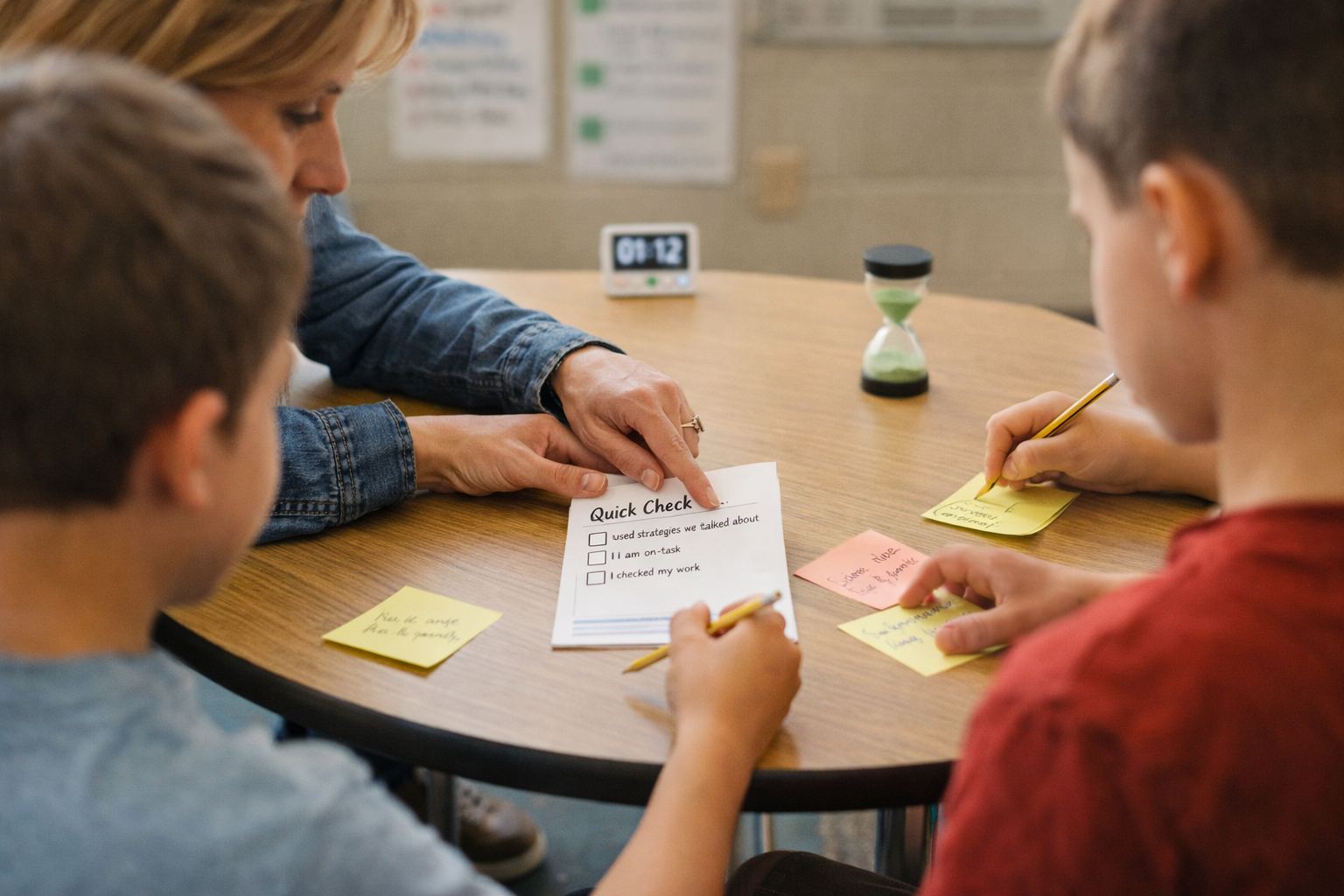
Developing independent learners starts with small, teachable behaviors that students can practice daily. When teachers break down autonomy into manageable micro-skills, students gain confidence and build reliable routines. These targeted techniques fit into existing lessons without adding major planning load and help learners take clearer ownership of their progress. This article outlines practical classroom moves, short routines, and simple assessment habits that support autonomy.
Adopting micro-skills shifts focus from one-off initiatives to consistent, teachable actions. Over time, these small practices compound into stronger study habits and self-regulation.
Practical Micro-Skills to Teach
Introduce a handful of discrete skills such as goal-setting for a lesson, selecting a strategy before solving a task, and using a two-minute self-check at the end of work time. Teach each micro-skill explicitly with a model, guided practice, and rapid feedback. Use clear prompts and simple language so students can apply the skills independently across subjects.
Reinforce these skills through repetition and visible reminders like quick anchor charts or sentence starters. Consistent cues make it easier for students to transfer skills to new tasks.
Classroom Routines That Reinforce Practice
Structure short routines that embed micro-skills into daily flow: a one-minute planning phase, a five-minute focused work window, and a brief reflection checkpoint. Rotate routines so students practice varied skills while the classroom remains predictable. Keep routines concise so they feel feasible and sustainable for both teachers and learners.
- Quick planning: students jot one goal and a strategy.
- End-of-task check: students rate effort and note one next step.
These brief rituals reduce cognitive load and create repeated opportunities to apply autonomy-building behaviors. Over weeks, routines become habits that support independent study.
Assessment, Feedback, and Reflection Habits
Use formative checks that focus on process as well as product: ask students to explain a strategy choice or to identify one improvement. Provide concise, actionable feedback and require a quick revision step to close the loop. Teach students to track progress with simple logs or checklists that record effort, strategy use, and next steps.
Frequent low-stakes feedback helps students calibrate their self-assessments and build metacognitive awareness. When feedback targets micro-skills, growth becomes visible and achievable.
Conclusion
Small, explicit skills taught and practiced consistently build genuine learner autonomy.
These micro-skills fit easily into daily lessons and scale across contexts.
Over time they create sustainable habits that empower students to manage their own learning.
Related Articles


Recent Posts

Designing Compact Choice Menus to Foster Student Decision-Making
Teaching Students to Sequence Tasks for Deeper Engagement
Practical Classroom Methods for Teaching Strategic Study Prioritization
Translate Everyday Work into Clear Professional Evidence
A Practical Process for Building Portable Career Proofs


