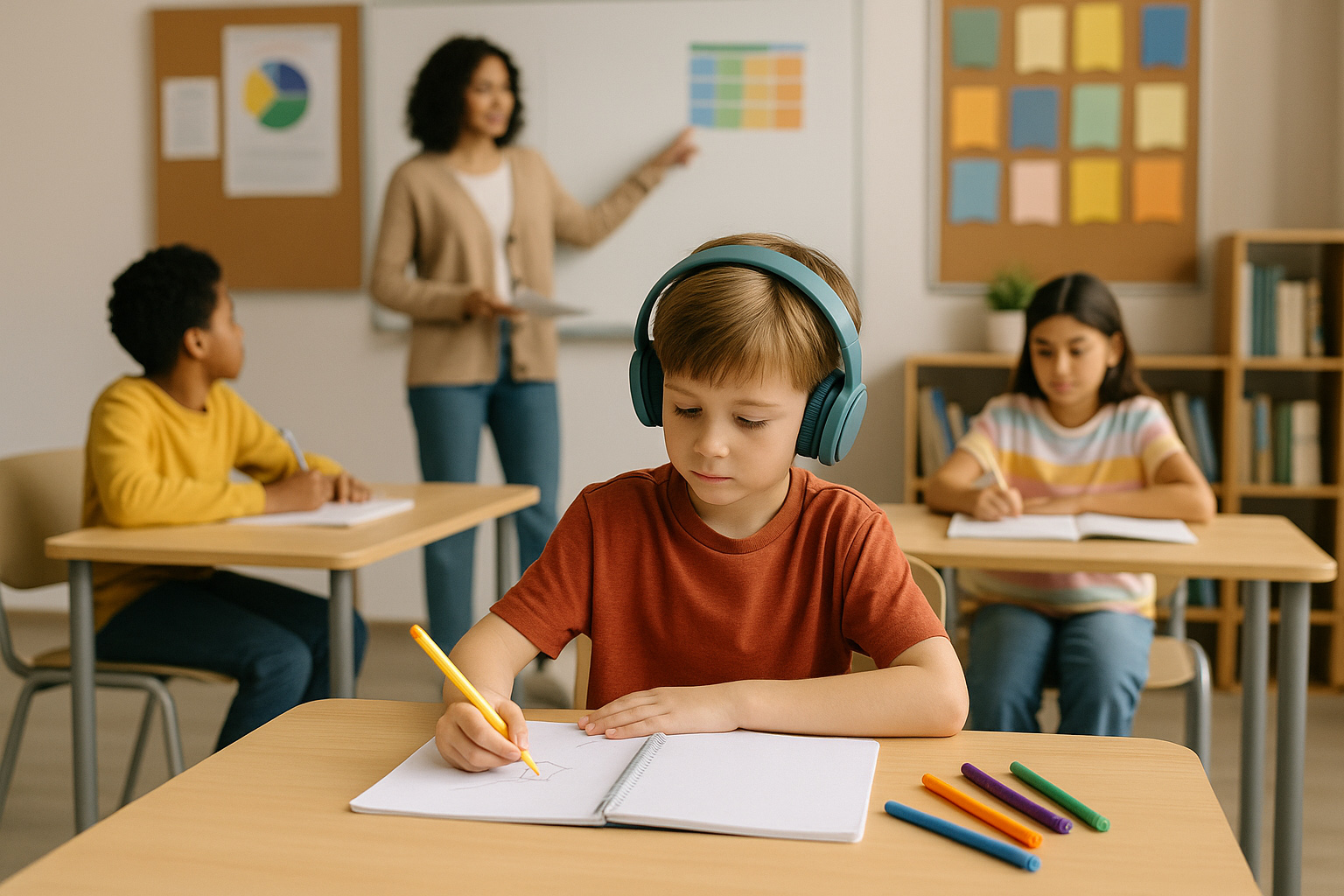
Every mind learns differently, yet traditional education often relies on a one-size-fits-all model. Neuro-friendly learning paths are changing by designing experiences that support the unique strengths, needs, and processing styles of students with ADHD, autism, dyslexia, and other neurodiverse brain types. These personalized approaches help learners stay engaged, reduce frustration, and build confidence—creating classrooms where everyone can thrive.
Supporting ADHD With Movement and Structure
Students with ADHD often learn best through active, flexible environments rather than long periods of stillness. Neuro-friendly learning paths use short learning bursts, hands-on tasks, and clear transitions to maintain attention. Visual timers, checklists, and step-by-step guides help learners stay oriented, while movement breaks, fidget tools, and flexible seating support natural energy rhythms. These adjustments create an environment where attention feels supported—not forced.
Creating Sensory-Safe Spaces for Autism
Learners on the autism spectrum may experience sensory overload in traditional classrooms. Neuro-friendly paths use gentle lighting, predictable routines, visual schedules, and reduced background noise to create a calmer environment. Lessons are presented with clear language, minimal ambiguity, and supportive visuals. Many students also benefit from choice boards, structured workstations, and quiet zones where they can reset when needed. These predictable, sensory-aware designs help autistic learners participate with greater comfort and focus.
Helping Dyslexic and Visual Thinkers Learn Their Way
Dyslexic students often excel with multi-sensory materials rather than text-heavy instruction. Neuro-friendly learning paths include audio support, color-coded notes, speech-to-text tools, and visual diagrams. Learning through videos, demonstrations, or interactive activities allows visual and kinesthetic thinkers to grasp concepts more easily. These alternatives ensure students aren’t limited by reading challenges and can show their understanding in more authentic ways.
Flexible Approaches That Benefit All Brain Types
Although designed with neurodiverse learners in mind, these strategies improve learning for everyone. Clear organization helps reduce anxiety. Visual aids support memory. Movement-based learning boosts engagement. Personalized pacing helps students of all abilities progress more confidently. Neuro-friendly paths move education toward inclusiveness, not specialization.
Technology as a Bridge for Personalized Learning
AI-powered tools are playing a major role in neuro-friendly design. Smart platforms can identify learning patterns, track attention, adjust reading levels, and deliver content in the format each student learns best. For neurodiverse students, this means more autonomy and more opportunities to succeed without pressure or comparison.
Conclusion
Neuro-friendly learning paths recognize that diversity in thinking is a strength, not a challenge to fix. By designing environments that support ADHD, autism, dyslexia, and other brain types, educators create classrooms where every learner feels understood, capable, and empowered. This shift toward personalized, inclusive learning transforms education into a place where all minds can thrive.
Related Articles

Recent Posts

Assemble a Portable Proof Kit from Everyday Deliverables
Document Work Outcomes to Strengthen Career Mobility
Constructing a Measurable Story from Daily Professional Work
Structuring Learning Momentum and Retention for Busy Adult Online Students
Anchoring Consistent Progress in Self-Paced Online Programs


