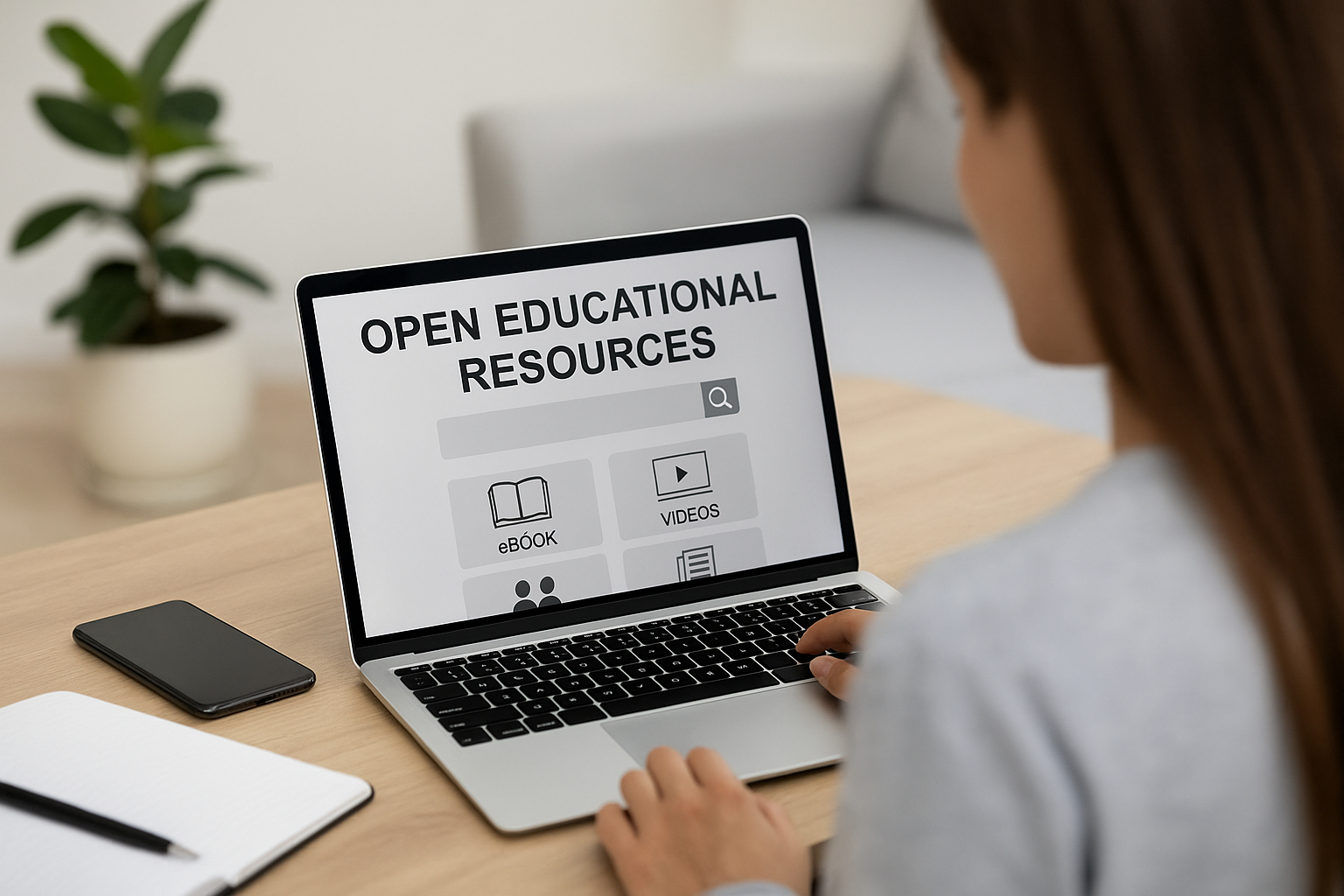
Education is rapidly evolving, and one of the most powerful forces driving this transformation is the rise of Open Educational Resources (OER). These freely accessible, openly licensed materials—ranging from textbooks to videos and full course modules—are breaking down barriers to learning across the globe. In 2025, OER is reshaping how students, educators, and institutions collaborate to make quality education more inclusive, affordable, and equitable.
The Global Movement Toward Open Access
Open Educational Resources are part of a broader movement to democratize knowledge. Institutions around the world, from universities to local community colleges, are adopting OER policies to ensure that learners have free access to high-quality materials. This shift is particularly impactful in developing regions, where traditional educational resources remain expensive and scarce. Global organizations like UNESCO are spearheading initiatives to standardize OER practices and promote cross-border collaboration in educational content creation.
Empowering Teachers and Learners
OER not only benefits students but also empowers educators. Teachers can adapt and remix materials to suit their specific classroom needs, fostering innovation in curriculum design. This flexibility enhances engagement, encourages creativity, and allows educators to align content with cultural and linguistic contexts. For learners, OER means freedom to study anytime, anywhere—on their own terms and at their own pace.
Reducing Educational Costs
One of the most tangible benefits of OER is affordability. Textbook costs have long been a financial burden for students worldwide. With open-access materials, learners can access quality content for free or at a fraction of traditional costs. This model promotes educational equity by leveling the playing field for students from diverse socioeconomic backgrounds. Institutions adopting OER also see increased enrollment and retention rates, as financial barriers diminish.
Technology as the Enabler
Digital platforms are central to the growth of OER. Cloud-based repositories, mobile-friendly formats, and AI-driven recommendation systems make it easier than ever to find and use open materials. These online systems provide educators with access to extensive collections of peer-reviewed resources, promoting collaboration and flexibility in teaching. The integration of AI translation tools is also helping localize educational content, ensuring that language and geography are no longer barriers to learning.
Collaboration Across Borders
The future of OER lies in global collaboration. Educators, institutions, and governments are working together to build open knowledge ecosystems. By sharing resources across countries, the collective pool of educational materials grows exponentially, encouraging innovation and cross-cultural understanding. Open access has the potential to transform learning into a truly borderless experience.
Conclusion
Open Educational Resources are revolutionizing education by expanding access, reducing costs, and encouraging collaboration worldwide. As technology advances and global participation increases, OER will continue to shape a future where learning is universal, inclusive, and freely available to all. The world is moving closer to a vision where knowledge truly belongs to everyone.
Related Articles

Recent Posts

Designing Compact Choice Menus to Foster Student Decision-Making
Teaching Students to Sequence Tasks for Deeper Engagement
Practical Classroom Methods for Teaching Strategic Study Prioritization
Translate Everyday Work into Clear Professional Evidence
A Practical Process for Building Portable Career Proofs


