Education is often called the great equalizer, but for many students, barriers like poverty, discrimination, and limited resources create unequal opportunities. Equity and inclusion in education ensure that all learners—regardless of background—can access the tools and support they need to succeed.
What Is Equity in Education?
Equity isn’t the same as equality. While equality gives everyone the same resources, equity ensures that each student receives what they specifically need to thrive. For example, a student with a learning disability may need extra time on tests, while a first-generation learner may need mentorship.
Why Inclusion Matters
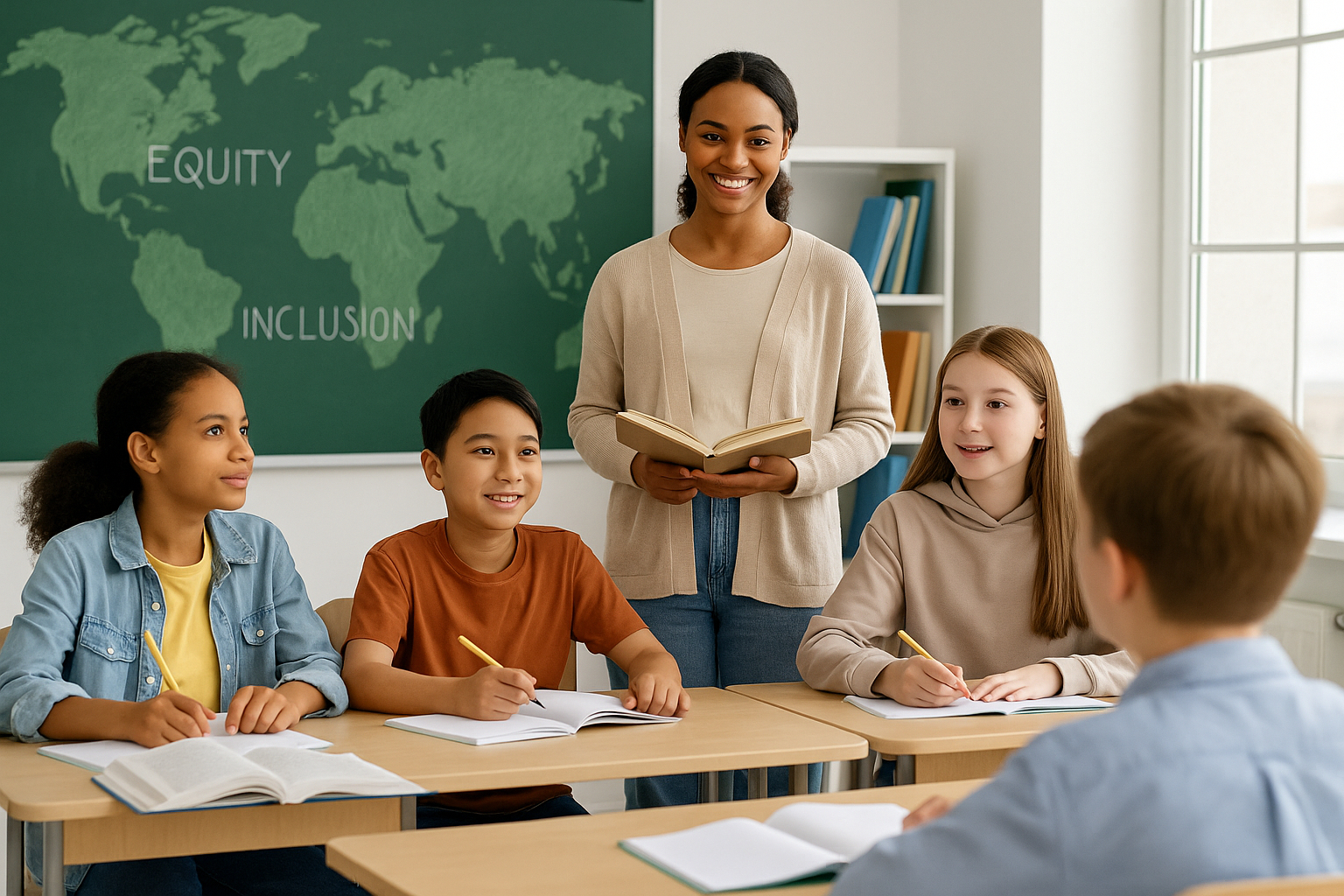
Inclusion creates an environment where every student feels valued, respected, and able to participate fully. This means addressing not just physical access but also cultural, social, and emotional barriers that can exclude students.
Common Barriers to Equity and Inclusion
Socioeconomic gaps: Lack of access to technology, school supplies, or extracurricular opportunities.
Cultural and language differences: Students from diverse backgrounds may face challenges in communication or belonging.
Disability and accessibility issues: Schools must provide resources like assistive technology and inclusive teaching methods.
Bias and discrimination: Prejudices, whether intentional or unconscious, can affect how students are treated in the classroom.
Strategies to Foster Equity and Inclusion
Personalized Support: Tailor teaching methods and resources to individual needs.
Culturally Responsive Teaching: Incorporate diverse perspectives into lessons to reflect all students’ experiences.
Accessibility for All: Ensure facilities, technology, and materials are usable by students with disabilities.
Mentorship and Guidance: Provide role models and advisors for underrepresented students.
Ongoing Teacher Training: Equip educators with skills to identify and address inequities.
Final Thoughts
Equity and inclusion in education are not optional—they are essential for building a fairer society. By removing barriers and creating supportive, inclusive learning environments, schools empower every student to reach their full potential. True progress in education comes when all learners, regardless of circumstance, are given the chance to succeed.