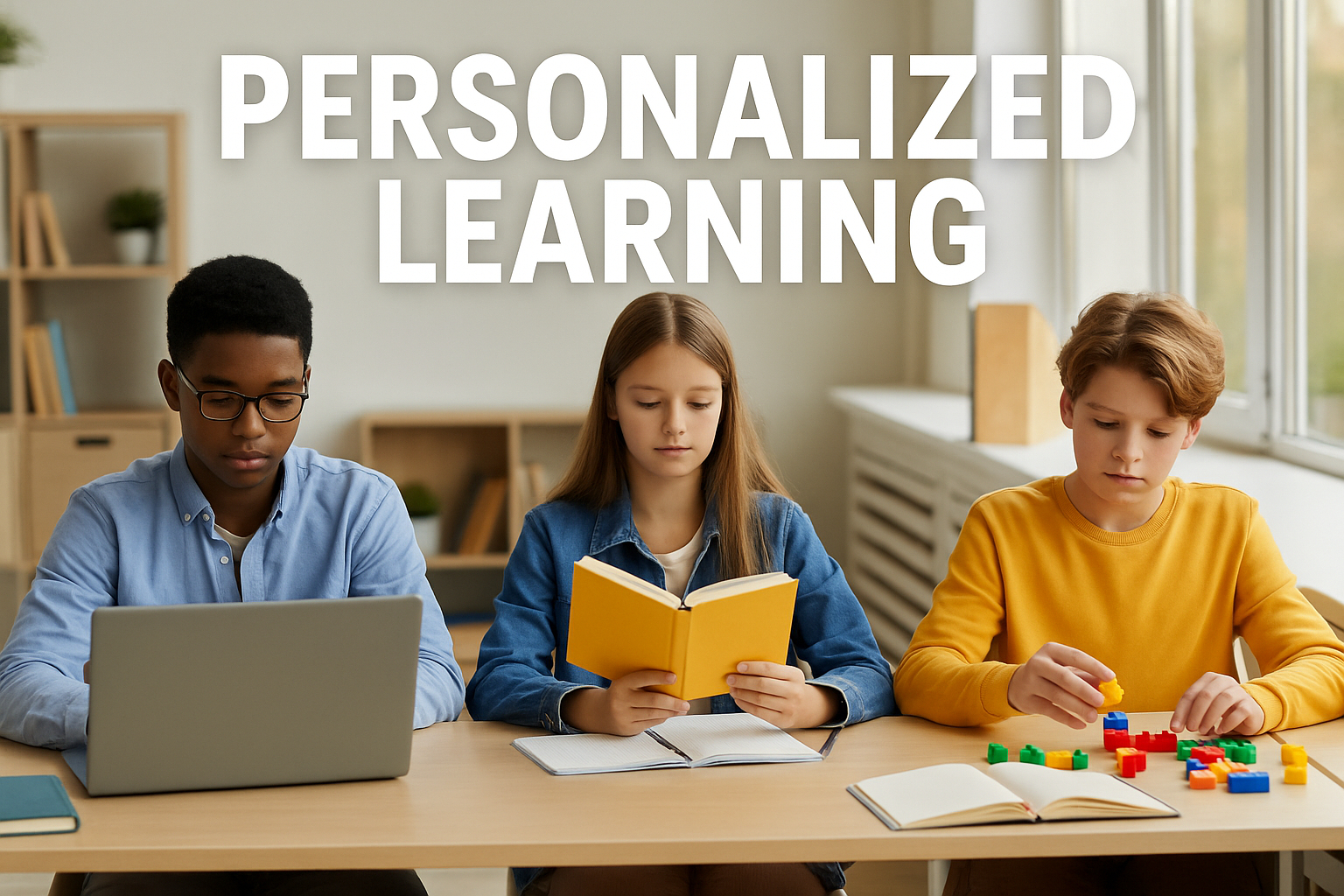
Every student learns differently. Some grasp concepts quickly through visuals, others prefer hands-on activities, and some need extra time to process information. Traditional one-size-fits-all teaching often leaves certain learners behind. That’s where personalized learning comes in—a flexible approach that adapts to each student’s strengths, needs, and pace.
What Is Personalized Learning?
Personalized learning is an educational method that tailors instruction to fit individual learning styles, goals, and progress. Technology often supports this approach, but it also involves teachers designing flexible strategies to ensure every student can thrive.
Benefits of Personalized Learning
Addresses Learning Differences
Personalized learning ensures that students who need more time get it, while advanced learners can move ahead without feeling restricted.Increases Engagement
When students have a say in their learning—choosing topics, methods, or projects—they become more motivated and invested in the process.Encourages Self-Paced Progress
Instead of pushing everyone through material at the same speed, students can move forward once they master a concept, building confidence and reducing frustration.Supports Skill Development
Beyond academics, personalized learning builds problem-solving, time management, and self-direction—skills vital for lifelong success.Enhances Teacher-Student Connection
Teachers who understand their students’ unique needs can offer more meaningful support and guidance, strengthening relationships in the classroom.
Strategies for Implementing Personalized Learning
Use Adaptive Technology: Tools like learning apps can adjust difficulty levels based on student progress.
Offer Choice: Let students choose assignments, projects, or reading materials that interest them.
Flexible Assessments: Move away from standardized tests toward performance-based assessments like presentations, portfolios, or projects.
Regular Feedback: Provide ongoing feedback so students understand their strengths and areas for growth.
Student Goal-Setting: Encourage learners to set personal goals and track their own progress.
Final Thoughts
Personalized learning isn’t just a trend—it’s a powerful way to ensure every student reaches their potential. By recognizing and adapting to individual needs, schools can foster not only academic achievement but also confidence and independence. When students are seen and supported as unique learners, education becomes more meaningful and impactful.