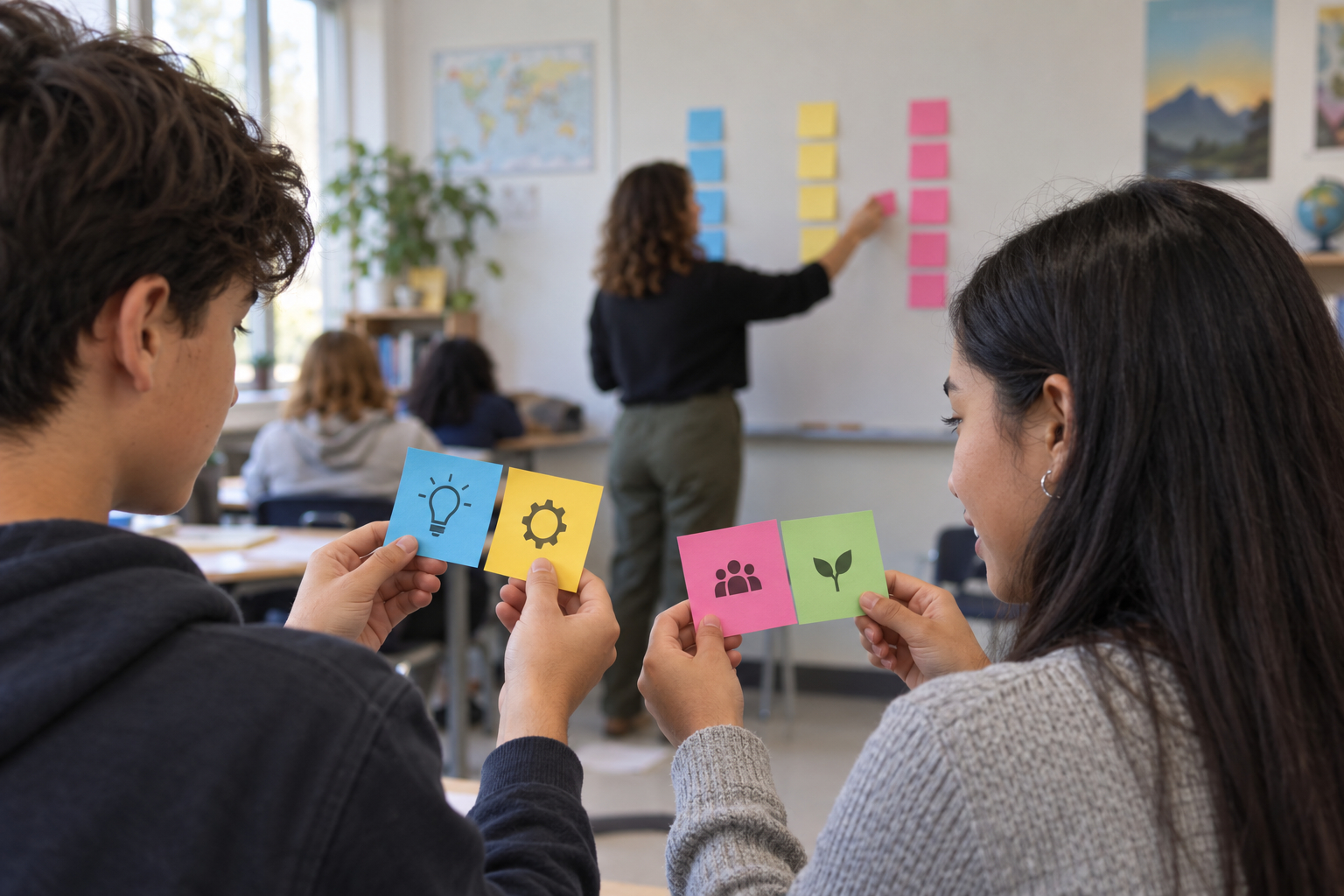
Helping students learn how to prioritize study tasks is a foundational study skill that improves focus and outcomes. When teachers break prioritization into clear criteria and simple steps, learners gain confidence in managing time and effort. Prioritization teaches students to distinguish between urgent and important work and to make trade-offs deliberately. This article outlines classroom-ready methods that scaffold strategic decision-making without adding complexity.
Clarify Criteria for Prioritization
Begin by defining a small set of prioritization criteria that students can apply consistently, such as deadline, learning value, and difficulty. Use concrete examples from current assignments so the criteria feel directly relevant and not abstract. Demonstrate how a single task can be evaluated against each criterion to produce a ranked list of action items. Keep the language simple and repeat the criteria until they become a classroom habit.
- Deadline: When is the task due?
- Learning value: Will this task improve understanding or test performance?
- Difficulty: How much time and support will it require?
Close the activity by having students apply the criteria to one assignment, then compare results as a class. This builds shared norms and clarifies expectations.
Teach a Simple Prioritization Routine
Introduce a short, repeatable routine students can use at the start of study periods: list tasks, score each against the criteria, and choose top two items to tackle first. Keep the routine to three quick steps so it can be used independently and under time pressure. Practice the routine several times with different task sets until students can complete it in a few minutes. Make the steps visible in the room or on a handout for quick reference.
Over time, encourage students to adapt the routine to their personal workflow while preserving the core scoring approach. Consistent practice turns the routine into an automatic planning habit.
Model Decision-Making With Short Tasks
Use brief, teacher-led demonstrations where you think aloud through prioritization decisions. Choose short, real tasks and narrate why you place one item above another based on the agreed criteria. Invite students to challenge or adjust your choices to stimulate discussion and deeper understanding. These micro-demonstrations make invisible reasoning visible and provide a template for student behavior.
Follow demonstrations with paired practice so learners can try decisions collaboratively, then reflect on differences. Peer discussion reinforces flexible thinking and exposes students to alternative strategies.
Monitor Progress and Adjust Norms
Collect regular, low-effort evidence of prioritization practice, such as a weekly snapshot of students’ top tasks and brief reflections on outcomes. Use that evidence to spot common misunderstandings and adjust instruction or criteria as needed. Celebrate when students successfully reorder work based on learning value rather than urgency alone.
Feedback loops help the class refine norms and encourage students to take ownership of their planning skills. Over weeks, prioritization shifts from a taught procedure to a self-sustaining habit.
Conclusion
Teaching prioritization through clear criteria, a simple routine, and frequent modeling builds student capacity to manage study choices. Regular practice and lightweight monitoring help embed strategic decision-making into everyday learning habits. These classroom methods create practical, transferable skills students can apply across subjects and tasks.