Helping students move from teacher-led tasks to independent research requires purposeful classroom design and consistent supports. Instructors can introduce simple tools and routines that gradually increase learner autonomy while preserving clarity and structure. When framed around clear goals and incremental skills, independent projects become manageable and motivating. This article outlines practical strategies teachers can adopt to scaffold student-led inquiry effectively.
Tools and Structures to Support Inquiry
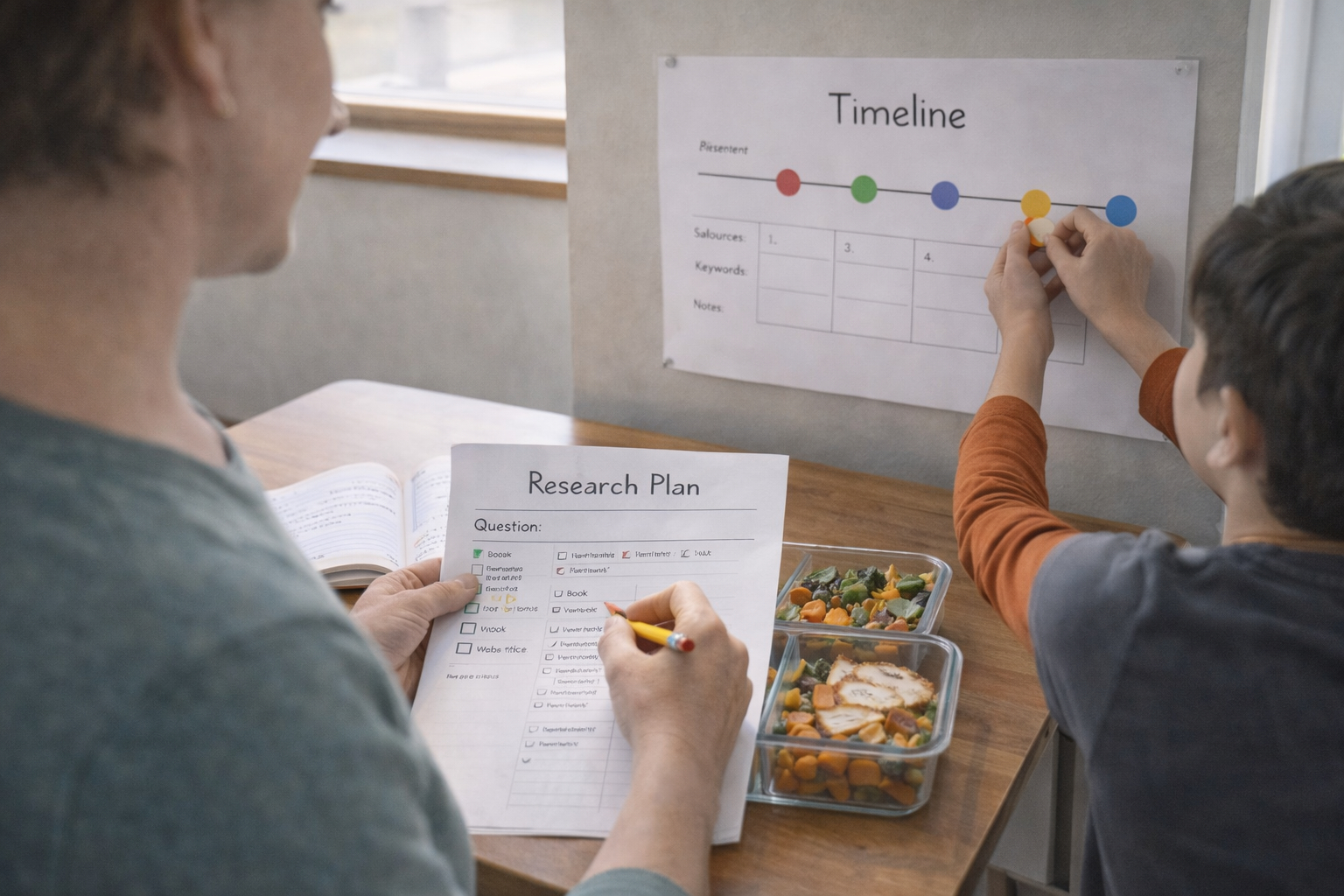
Begin by creating predictable structures that guide students through each phase of research, from question formulation to presentation. Templates for research plans, annotated bibliographies, and time-lined milestones reduce cognitive load and keep teams or individuals on track. Digital organizers or paper-based charts both work when paired with brief modeling sessions that show how to use them. Clear success criteria and exemplars also help students calibrate their efforts and self-assess progress.
These supports should be gradually faded as students demonstrate competence and independence. Consistent routines allow teachers to step back and offer targeted coaching instead of constant direction. Over time, students internalize processes and take greater ownership of their work.
Designing Focused Inquiry Tasks
Well-designed tasks balance student choice with clear constraints so research stays focused and achievable. Offer topic ranges, question stems, or problem scenarios that invite exploration but include boundaries on scope, sources, or timeline. Chunk projects into short cycles with concrete deliverables to maintain momentum and allow for instructor checkpoints. Scaffolding at the task level prevents overwhelm and supports steady skill growth.
- Provide a starter list of credible resources and search tips.
- Require a narrow research question and a one-paragraph rationale.
- Schedule interim check-ins for feedback and troubleshooting.
These design choices make independent work feel structured rather than open-ended, which increases student confidence and persistence. They also make assessment clearer and fairer for both students and teachers.
Coaching Reflection and Assessment
Regular reflection helps learners recognize progress and adjust strategies during research projects. Use quick reflection prompts, peer critique protocols, and formative rubrics to surface strengths and areas for growth. Encourage students to document decisions and setbacks in brief logs so they can analyze their process after completion. Feedback cycles that combine teacher input with peer review foster metacognitive awareness and transferable skills.
Assessment should measure both product and process to value research habits in addition to final outcomes. When students see that reflection and strategy are part of evaluation, they are more likely to develop sustainable independent learning practices.
Conclusion
Scaffolding independent research means combining clear tools, intentional task design, and reflective assessment to support gradual autonomy. Small, consistent structures reduce friction and help students build confidence and competence over time. With deliberate practice and feedback, learners become effective, self-directed researchers.