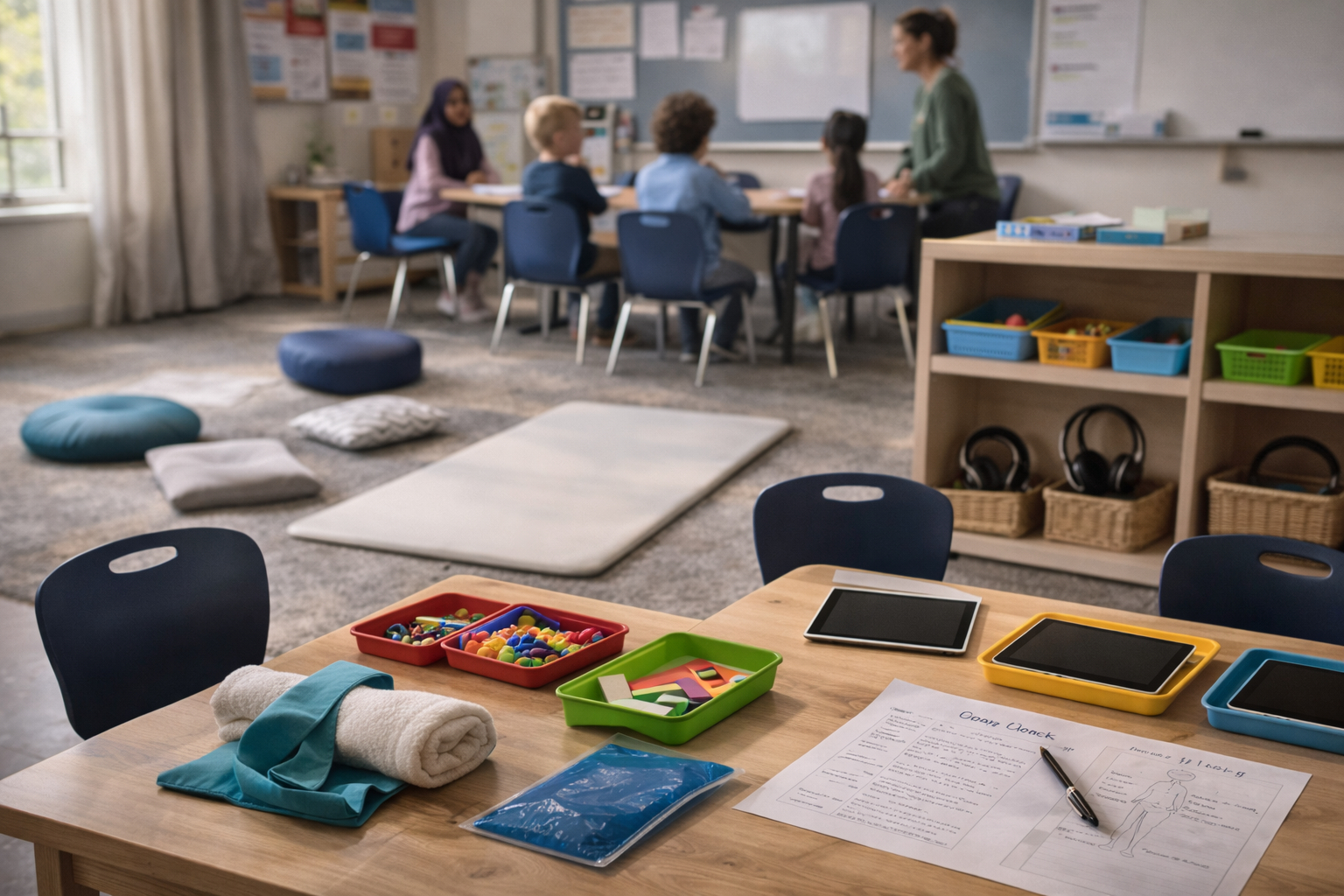
Creating inclusive learning environments is essential for meeting diverse student needs and improving outcomes for all. Educators can adopt practical methods that address accessibility, curriculum design, and classroom culture without overhauling existing systems. This article outlines actionable strategies that are adaptable across subjects and grade levels. These approaches prioritize clarity, flexibility, and student agency to support engagement and success.
Curriculum Strategies That Increase Access
Designing curriculum with multiple entry points helps students engage with material at different skill levels. Start by identifying core learning goals and then provide varied ways to demonstrate mastery, such as project-based work, presentations, or written reflections. Use backward design to ensure assessments align with objectives and remove unnecessary barriers. Regularly solicit student feedback to refine content pacing and relevance.
- Offer differentiated tasks tied to the same learning objective.
- Include formative checks to adjust instruction quickly.
- Provide clear rubrics so expectations are transparent.
Small, consistent changes to lesson planning can yield significant gains in equity. Teachers should prioritize essential standards and create scaffolds that fade as competence grows. Collaborative planning helps maintain coherence across units.
Designing Accessible Materials
Accessible materials reduce friction for learners with differing needs and support universal learning. Ensure documents and presentations use readable fonts, logical structure, and alternative text for images. Provide materials in advance when possible so students can prepare and use assistive tools. Captioned videos and transcripts extend access and aid comprehension for all learners.
- Use consistent headings to improve navigation.
- Offer downloadable formats compatible with screen readers.
- Create printable summaries for offline review.
Investing time in accessibility upfront saves instructional time later and fosters independence. Accessibility practices benefit every student by clarifying content and reducing cognitive load.
Fostering a Supportive Classroom Culture
A classroom culture that values respect, curiosity, and risk-taking encourages participation and resilience. Establish norms collaboratively so students own classroom behavior and academic routines. Use inclusive language, celebrate diverse perspectives, and respond to mistakes with constructive guidance. Peer learning structures, such as cooperative groups, can amplify understanding and build social skills.
Consistent routines and positive reinforcement help maintain an environment where learners feel safe to contribute. Ongoing reflection with students keeps culture responsive and evolving.
Conclusion
Implementing inclusive practices is an iterative process that starts with clear goals and small adjustments. When teachers prioritize accessibility, varied assessment, and respectful culture, learning becomes more equitable and effective. These practical methods create classrooms where all students can thrive.