Building regular reflection and feedback cycles in classrooms helps students internalize learning and build transferable skills. When reflection is concise and frequent, it becomes an essential habit rather than a one-off task. Feedback that is timely and actionable guides learners toward incremental improvement without overwhelming them. This article outlines practical steps teachers can adopt to make these cycles manageable and effective.
Why Reflection Improves Learning
Reflection creates moments for students to connect practice to progress, turning activity into understanding. By pausing to consider what worked and what didn’t, learners develop metacognitive awareness and can adjust strategies more quickly. Reflection also promotes ownership, as students identify specific next steps rather than waiting for external direction. When teachers model reflective language, the classroom culture shifts to one where learning is seen as iterative.
Short, focused reflection prompts are more effective than lengthy essays because they fit naturally into lessons. Prompts that ask for evidence and a plan encourage concrete thinking and reduce vagueness. Over time, students learn to track growth and articulate goals with greater clarity.
Creating Short Feedback Loops
Short feedback loops prioritize speed and clarity so learners can act while the task is fresh. Feedback should target one or two specific goals per cycle and include a clear example of success. When possible, combine teacher feedback with self-assessment to deepen understanding and accountability. Using rubrics with a few descriptive levels helps make feedback consistent and transparent across tasks.
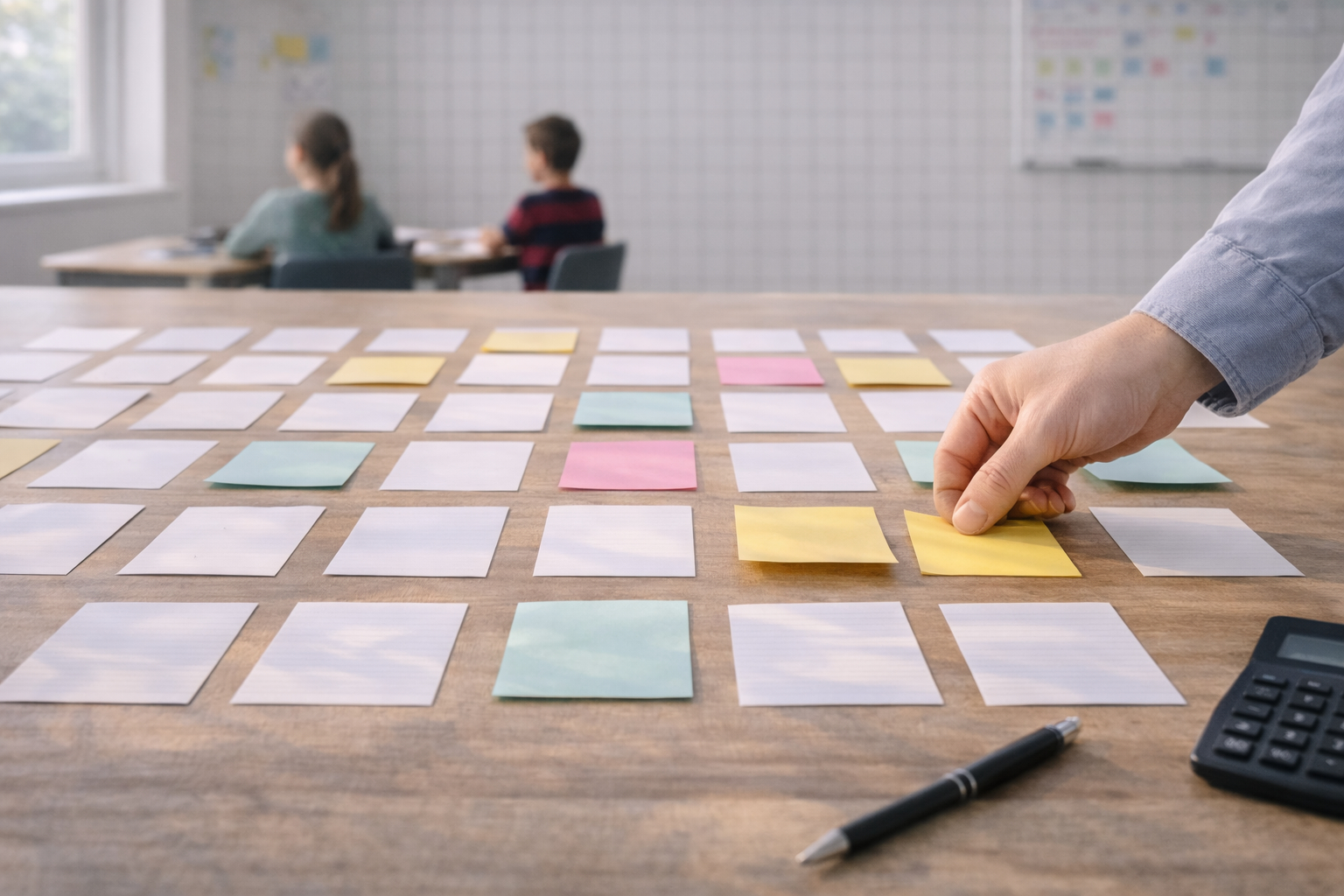
- Use quick checks like thumbs-up, sticky notes, or exit tickets for immediate data.
- Provide model responses to show what improvement looks like in practice.
- Schedule brief conferences focused on one actionable change.
These approaches reduce delay and prevent feedback overload, making it realistic to repeat the cycle frequently. Frequent small wins keep students motivated and make progress visible to both teacher and learner.
Practical Routines Teachers Can Use
Integrating routines ensures reflection and feedback are sustainable parts of instruction rather than add-ons. Simple end-of-lesson rituals, short peer review sessions, and regular goal-setting checkpoints create predictable opportunities for growth. Technology can streamline collection and distribution of feedback but should not replace conversational follow-up. Emphasizing consistency helps students expect and prepare for reflection moments.
- Daily one-minute reflections asking what improved and what to try next.
- Peer feedback frames that require a strength and one suggestion.
- Weekly goal check-ins where students record progress and adjust plans.
These routines are flexible and can be scaled to different ages and subjects, giving classrooms a clear structure for continuous improvement. Over time, they become habits that support independent learning.
Conclusion
Establishing compact reflection and feedback cycles makes meaningful improvement achievable within everyday lessons. Clear, timely, and focused practices help students develop self-awareness and actionable habits. Consistent routines turn reflection from a task into a core skill that supports lifelong learning.