Learning doesn’t have to be dramatic to be effective. Small, repeatable routines scaffold progress more reliably than occasional bursts of effort. This article outlines practical habits you can introduce gradually, without overhauling your schedule. The aim is steady improvement achieved through consistent, manageable actions.
Start with bite-sized goals
Ambitious targets are motivating, but they also invite procrastination when they feel too big. Break skills into the smallest useful units you can practice in 10 to 20 minutes. Those short wins build momentum and reduce the friction of starting, so progress compounds over weeks. Clear, narrow goals also make it easier to notice what went well and what needs adjustment.
- Define one micro-skill to practice each session.
- Limit sessions by time rather than by completion.
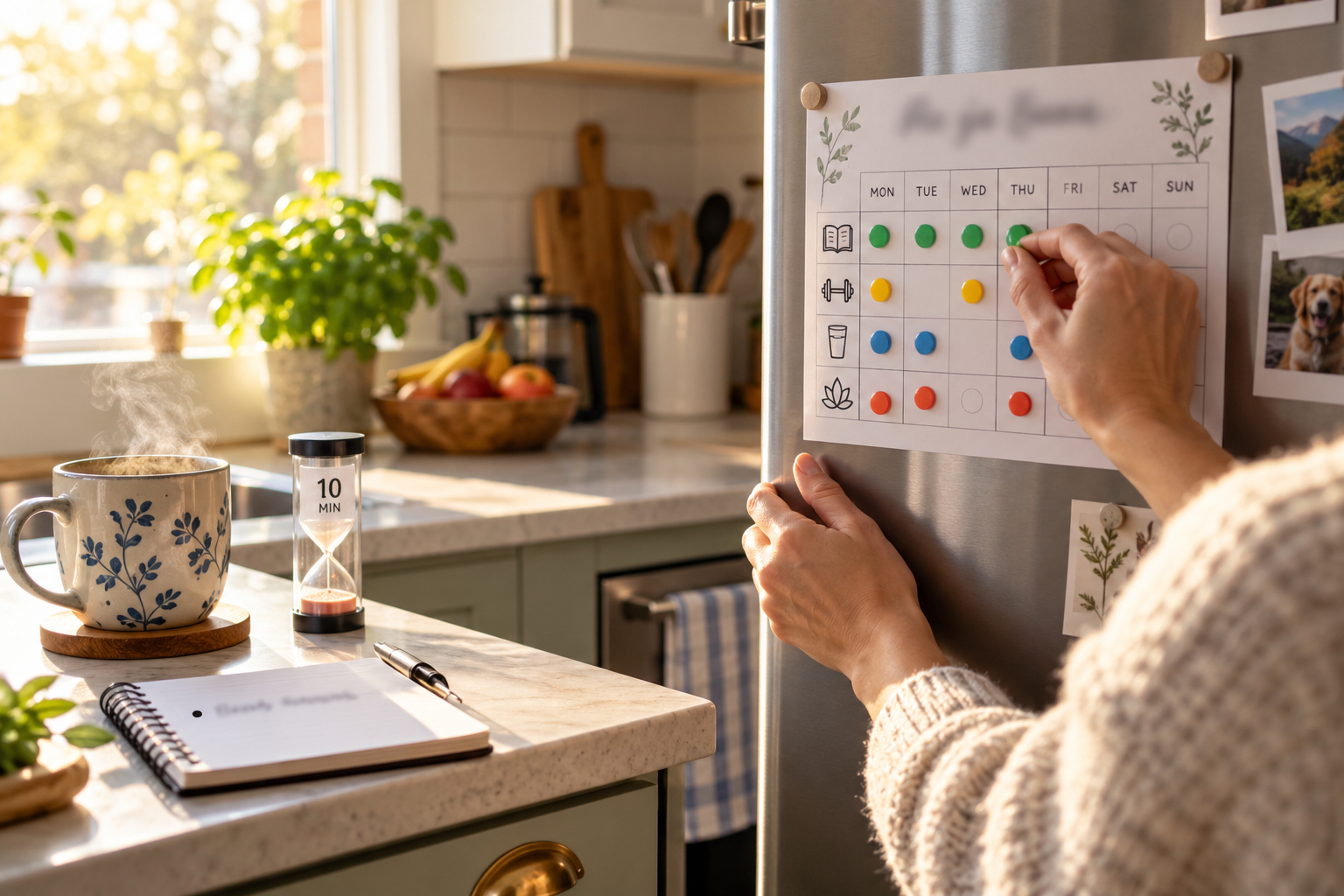
- Track wins with a simple checklist or calendar mark.
Keeping goals small doesn’t mean thinking small; it means creating a reliable path toward larger outcomes. Over time, those tiny practices add up into substantial competence.
Make cues and short rituals work for you
Habits stick when they are triggered by a clear cue and followed by a brief, repeatable ritual. Pair learning with an existing part of your day so the cue is automatic—after breakfast, during a commute, or right before bed. A short ritual primes focus and signals the brain that it’s time to switch into learning mode. Consistent cues eliminate decision fatigue and make it easier to start.
- Choose a reliable daily cue that already exists in your routine.
- Create a two-step ritual: prepare materials, then spend a fixed time practicing.
- Keep rituals simple so they remain feasible under pressure.
Rituals are not rigid rules; they’re scaffolding to make practice habitual. Adjust them as life changes, but keep the cue-practice pattern intact.
Measure, review, and adapt frequently
Short feedback loops prevent wasted effort and keep learning aligned with real improvement. Use quick self-checks, short quizzes, or recorded attempts to assess progress after several sessions. Review what worked and tweak the next week’s plan rather than waiting for a big evaluation. This habit turns uncertainty into actionable next steps.
- Set one measurable indicator for each micro-goal.
- Schedule a weekly two-minute review to note adjustments.
- Swap or refine practices that yield little improvement.
Frequent review keeps momentum honest and productive. Small course corrections save time and sustain motivation.
Conclusion
Consistent learning is the product of small goals, reliable cues, and quick feedback. Start with tiny practices tied to daily life, measure outcomes, and adjust regularly to keep momentum. Over months, those routines produce steady, meaningful growth.