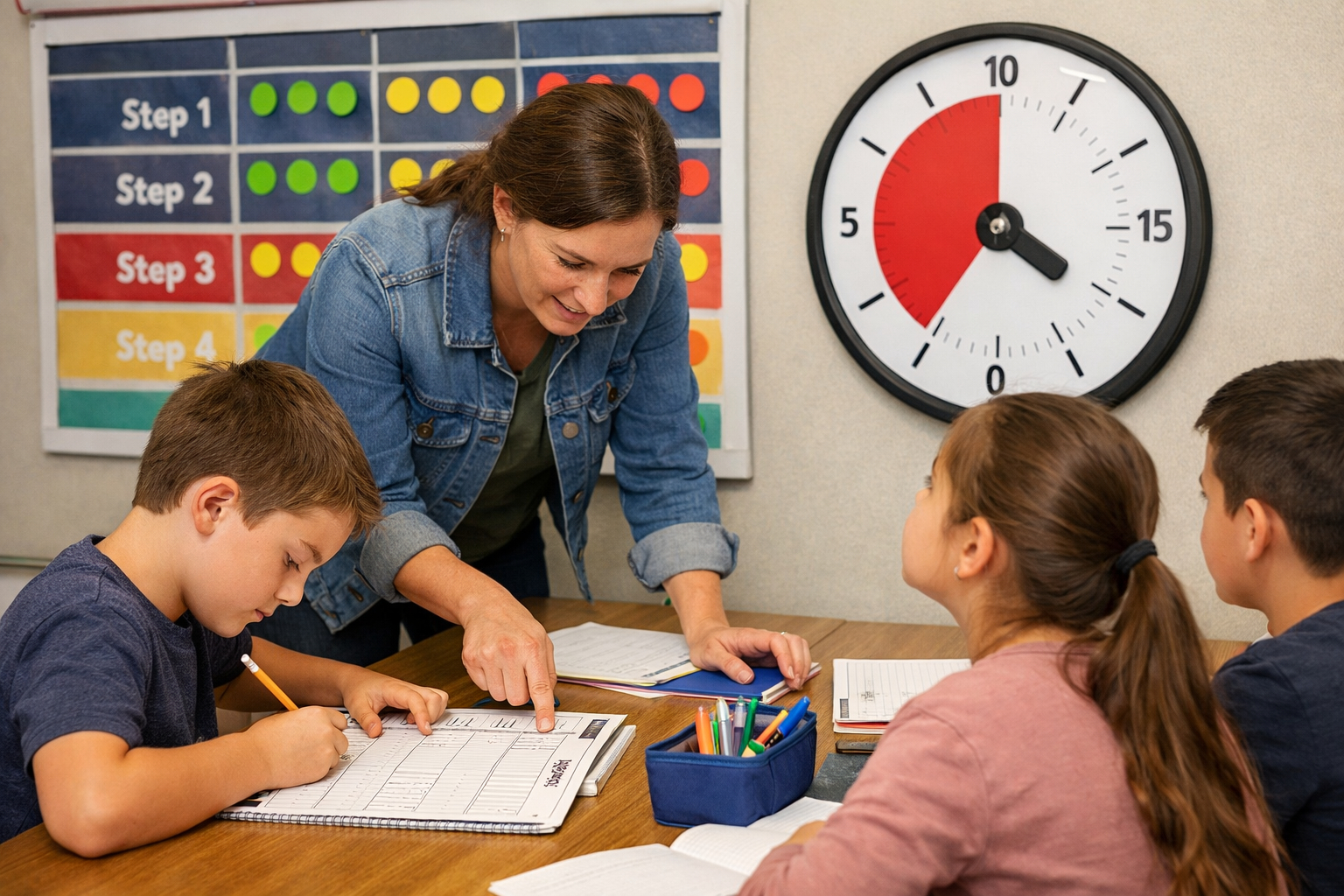
Effective time management is a practical skill students can develop with consistent classroom supports and explicit teaching of simple strategies. Teachers can embed short practices into daily lessons that teach planning, prioritizing, and pacing, turning abstract ideas into habitual actions. These habits reduce last-minute stress and build confidence across subjects while improving overall task completion and quality of work. This article outlines simple steps teachers can adopt without overhauling their curriculum, focusing on routines, planning prompts, and lightweight accountability.
Start with Predictable Daily Routines
Establishing predictable daily routines gives students a reliable framework for allocating time and reduces cognitive load on decision-making. Begin each lesson with a brief agenda and a clear time allocation for tasks so expectations are transparent and students can plan their approach. Routines like two-minute planning or five-minute wrap-up help students practice estimating time, prioritizing tasks, and reframing distractions. Over time these small signals train students to recognize pacing cues, develop internal timing, and self-correct without constant teacher prompts.
Keep routines consistent but flexible enough to adapt to different activities. Consistency helps students automate decision-making and focus on learning rather than logistics. Review routines periodically to ensure they continue to meet student needs.
Teach Short Planning and Chunking Techniques
Teach chunking by showing how to break larger assignments into manageable steps, estimate time for each part, and prioritize subtasks based on difficulty. Model a simple planner entry, walk through time estimates, then have students create their own micro-plans before independent work to make planning concrete. Use deadlines for intermediate steps to discourage procrastination, create natural checkpoints, and normalize steady progress over last-minute efforts. Encourage reflection after tasks so students compare estimates with actual time spent and adjust future plans accordingly.
Gradually transfer responsibility: begin with teacher-supported planning and move toward independent use of planners. This scaffolding builds both skill and confidence. Celebrate small gains to reinforce effort and improvement.
Use Low-Stakes Checks and Visual Tools
Low-stakes checks and visual tools make time visible and actionable in the classroom and give students immediate feedback about pacing. Timers, progress charts, and quick self-assessment prompts help students monitor pace, spot bottlenecks, and adjust strategies on the fly. Short, frequent check-ins let teachers identify students who need support before work falls behind, enabling timely interventions that preserve momentum. Small accountability systems—peer check-ins or brief progress logs—encourage consistent application of planning skills and strengthen collaborative habits.
- Timer or visual countdowns
- Checklist or simple progress board
Select tools that fit your classroom culture and keep them straightforward to maintain use. The goal is to prompt student reflection, not add administrative burden. Rotate or refresh tools periodically to sustain engagement.
Conclusion
Time-management skills form a foundation for lifelong learning and effective study habits. By embedding short routines, modeling planning, and using clear visual cues, teachers can make those skills teachable and observable. Small, consistent practices produce lasting improvements in how students manage their time.
Related Articles

Recent Posts

Designing Compact Choice Menus to Foster Student Decision-Making
Teaching Students to Sequence Tasks for Deeper Engagement
Practical Classroom Methods for Teaching Strategic Study Prioritization
Translate Everyday Work into Clear Professional Evidence
A Practical Process for Building Portable Career Proofs


