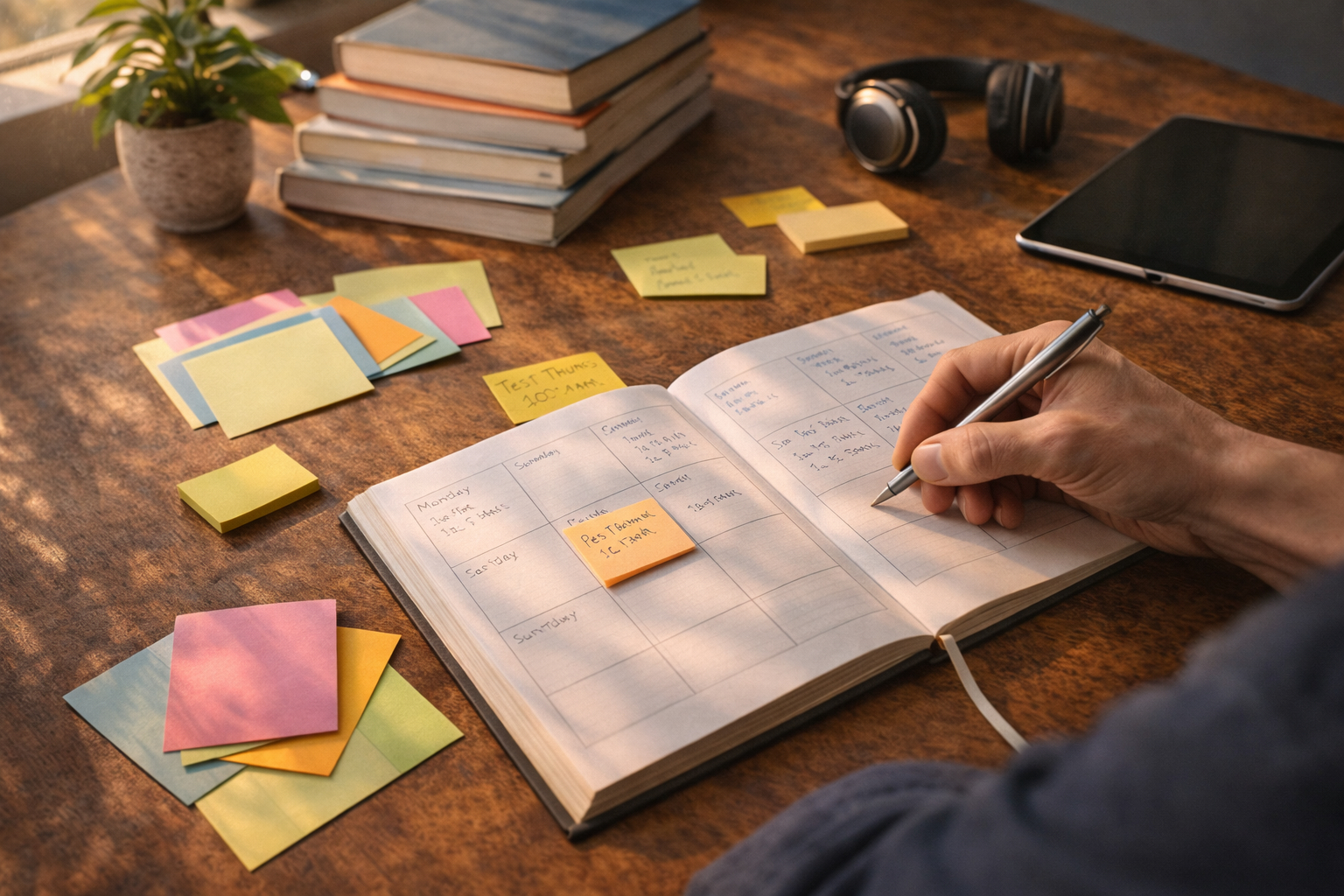
Lifelong learning is essential for adapting to shifting job markets and personal growth.
Cultivating a consistent learning habit helps maintain curiosity and professional relevance.
This article outlines practical strategies to build and sustain effective learning routines.
Focus areas include planning, study techniques, resource selection, and reflection practices.
These steps are applicable to learners at any stage seeking measurable progress.
Why lifelong learning matters
Lifelong learning supports adaptability and builds resilience in changing environments.
Beyond career benefits, continuous learning enhances problem solving, creativity, and wellbeing.
Recognizing learning as a long-term practice reduces pressure and encourages steady progress.
Transferable skills such as communication and critical thinking increase opportunities across roles and industries.
Continuous learners often build broader networks that open unexpected possibilities.
Creating a practical learning plan
Start by defining clear, specific goals tied to observable outcomes.
Break goals into weekly and monthly milestones that are achievable and measurable.
Prioritize skills that have immediate relevance, and schedule regular review sessions.
Use time-blocking to protect learning periods, treating them as nonnegotiable appointments.
Effective study and practice techniques
Active practice beats passive reading. Use techniques like spaced repetition, retrieval practice, and interleaving.
Teach concepts to others or write summaries to solidify understanding.
Set up low-stakes experiments to apply new skills in real contexts and iterate based on feedback.
Track progress with simple metrics such as time spent, tasks completed, and demonstrable results.
Leveraging resources and technology
Choose resources that match your learning style: textbooks, online courses, podcasts, or hands-on projects.
Vet sources for credibility and align them with your goals to avoid scattered learning.
Use apps and tools to organize notes, set reminders, and implement spaced repetition.
Join communities or study groups to gain accountability, diverse perspectives, and collaborative opportunities.
Balance curated course sequences with project-based learning to test knowledge and build a portfolio.
Building sustainable habits
Consistency matters more than intensity. Start with short daily sessions and increase gradually.
Pair learning with existing routines — for example, read during a commute replacement or practice skills after a daily task.
Celebrate small wins to maintain motivation and adjust plans when plateaus occur.
Review and refine your approach quarterly to stay aligned with evolving priorities and responsibilities.
Conclusion
Adopting structured, realistic strategies makes lifelong learning manageable and rewarding.
Focus on measurable goals, active practice, and reliable resources to accelerate progress.
Over time these habits create compounding benefits for career growth and personal fulfillment.