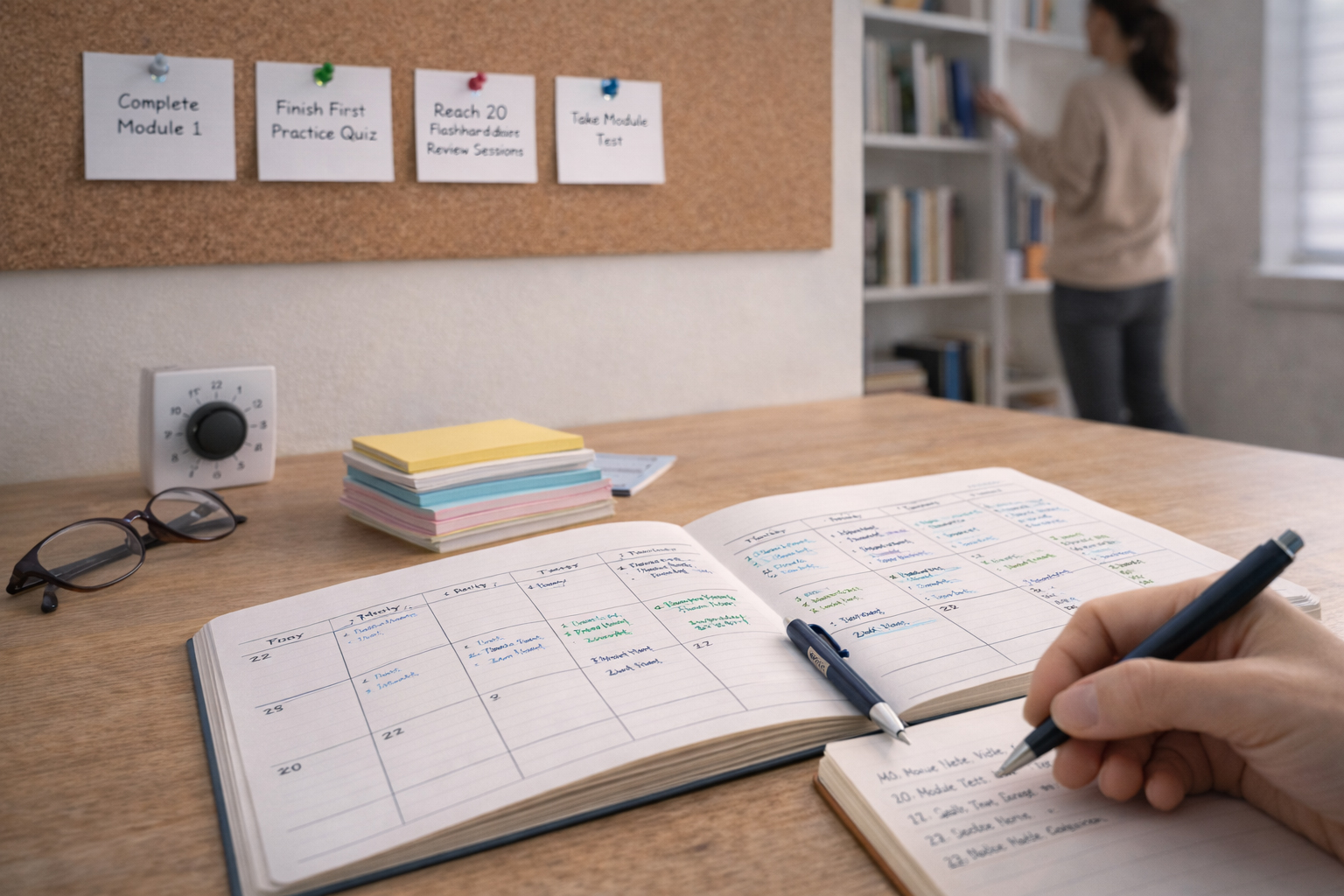
Developing a reliable approach to learning is essential for long-term growth and adaptability. Successful learners combine planning, active practice, and regular reflection to progress steadily. This article outlines practical strategies that educators, students, and self-directed learners can adopt right away. The goal is to make learning efficient, sustainable, and aligned with real-world goals.
Creating a framework for study helps reduce overwhelm and increase motivation. The following sections explain techniques and habits you can apply immediately. Each strategy emphasizes practicality and measurable progress. Together they form a cohesive path to continuous improvement.
Build a Focused Learning Plan
Start by defining clear, specific goals that are time-bound and measurable. Break larger objectives into small, achievable milestones and prioritize what matters most. Allocate short, consistent time blocks rather than relying on sporadic marathon sessions. This approach reduces procrastination and makes progress visible.
Revisit your plan monthly to adjust priorities based on results. Consistent tracking reveals what techniques produce the best outcomes. Keep goals flexible but aligned to your broader ambitions.
Use Active Learning Techniques
Active learning engages the brain more deeply than passive reading or listening. Techniques like spaced repetition, retrieval practice, and teaching concepts to others strengthen retention. Practice with real tasks or projects that mirror how skills will be used in practice. Reflective exercises consolidate learning and reveal gaps.
- Spaced repetition for long-term memory.
- Practice tests and self-quizzing for retrieval.
- Project-based tasks for applied mastery.
Combine these techniques to accelerate skill acquisition. Active learning transforms information into usable competence rather than temporary familiarity.
Create Supportive Habits and Environment
Habits shape whether learning becomes sustainable or fades quickly. Design a regular routine, limit distractions, and set up a dedicated workspace if possible. Use technology intentionally—tools should aid focus, not fragment attention. Social accountability, like study groups or mentors, can boost consistency.
Small environmental changes often yield large improvements in productivity. Make adjustments that reduce friction and support momentum over time.
Assess Progress and Adapt
Regular assessment helps determine if your methods are effective and where to pivot. Use both qualitative feedback and quantitative measures, such as performance metrics or completed projects. Treat setbacks as data rather than failure; analyze causes and adjust strategies accordingly. Iteration is a core part of deliberate improvement.
Schedule periodic reviews and celebrate milestones to maintain motivation. Continuous adaptation ensures learning stays relevant and efficient.
Conclusion
Combine planning, active practice, and supportive habits for sustained learning success.
Regularly assess progress and be prepared to adapt when needed.
Small, consistent steps lead to meaningful long-term growth.