Developing lifelong learning habits prepares students to adapt to change and pursue growth beyond formal education.
Teachers and institutions can design environments that encourage curiosity, persistence, and self-reflection.
This article outlines practical classroom approaches, supportive tools, and assessment ideas to cultivate these skills.
The guidance is aimed at educators seeking actionable methods to help learners take ownership of their learning.
Why lifelong learning matters
Lifelong learning equips students with the mindset and skills to navigate evolving knowledge and career landscapes. It supports resilience, critical thinking, and the ability to transfer knowledge across contexts. When learners value the process of learning, they engage more deeply and retain information longer. Encouraging curiosity and metacognition helps learners become proactive rather than passive recipients of information.
Focusing on these habits early creates a foundation for continuous improvement. Educators who model and reward learning behaviors foster sustained motivation.
Practical classroom strategies
Structure lessons to include short opportunities for choice and reflection so students practice decision-making and self-assessment. Use project-based tasks that require planning, research, and iterative revision to simulate real-world problem solving. Teach explicit strategies for note-taking, summarizing, and questioning so learners have portable tools they can apply independently. Incorporate small group discussions to expose students to diverse perspectives and collaborative learning techniques.
Regularly prompt students to set personal goals and revisit them to build accountability. Simple routines make these practices manageable and repeatable.
Tools and routines to support learners
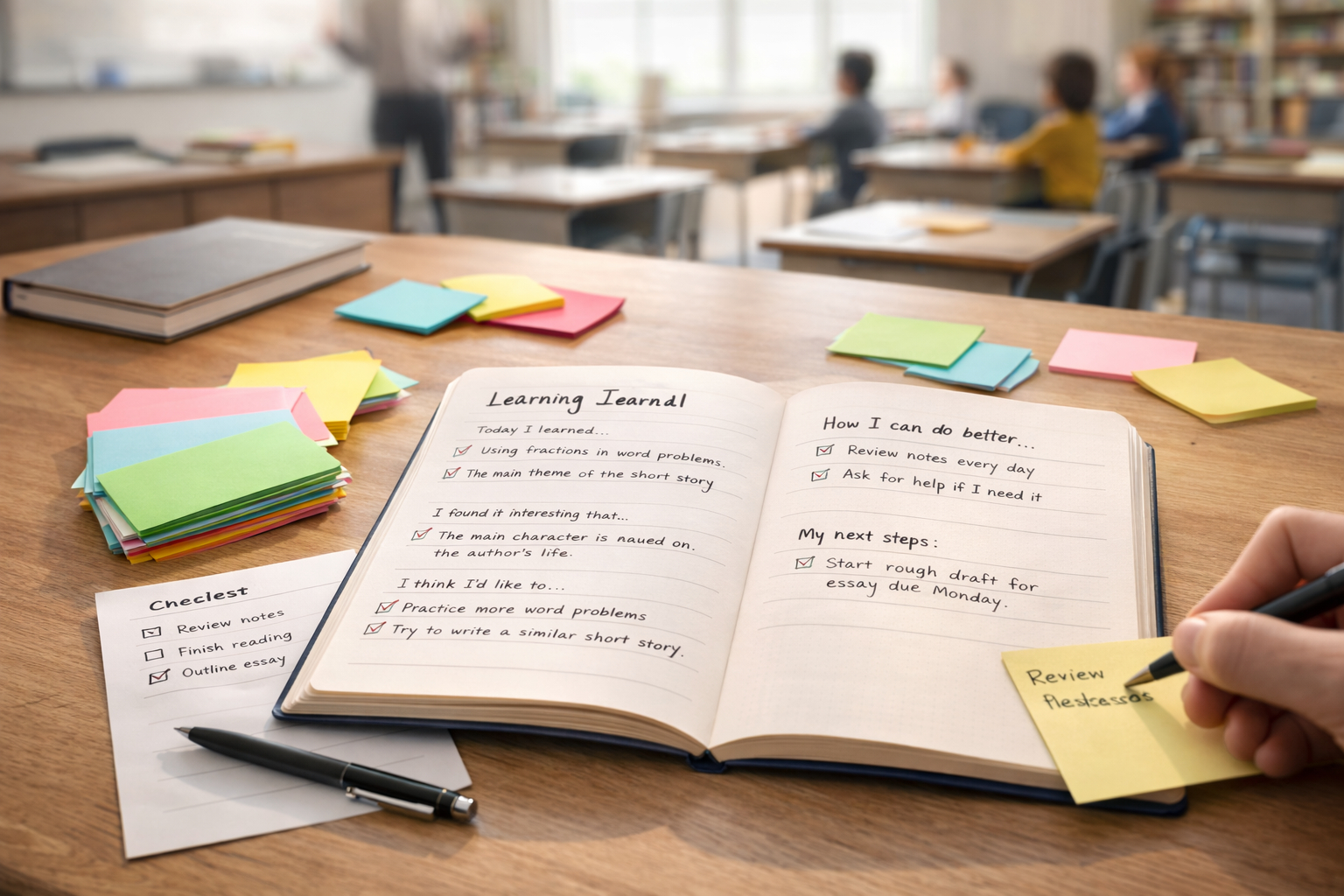
Introduce lightweight tools such as learning journals, checklists, and goal trackers that students can customize to their needs. Digital platforms can centralize resources and progress, but low-tech options like index cards and planners are equally effective. Establish consistent routines for planning, feedback, and reflection so learners know when and how to apply their skills. Scaffolding early on and gradually withdrawing support helps students internalize productive behaviors.
Choose tools that prioritize reflection and feedback over busywork. The right routine helps habits become automatic over time.
Building learner autonomy over time
Design a gradual release of responsibility where teachers move from directing to coaching to consulting. Provide structured choice, then expand options as learners demonstrate competence and confidence. Teach students how to evaluate sources, set realistic milestones, and adapt strategies when progress stalls. Celebrate small wins to reinforce persistence and a growth mindset.
Sustained autonomy emerges when learners experience repeated cycles of effort, feedback, and adjustment. Encourage peer mentoring to amplify ownership and accountability.
Assessing progress and reflection
Assessment should measure process as well as product, valuing reflection, strategy use, and persistence alongside content outcomes. Use formative checks, self-assessments, and brief reflective prompts to capture how students learn. Provide specific, actionable feedback that guides next steps rather than only assigning grades. Encourage students to maintain learning logs that highlight challenges, strategies tried, and lessons learned.
Transparent criteria help students interpret feedback and plan improvements. Reflection turns assessment into a learning moment rather than a judgment.
Conclusion
Intentional teaching of lifelong learning skills prepares students for changing futures.
Small, consistent routines and meaningful feedback build autonomy and resilience.
Over time, these practices help learners sustain curiosity and adapt to new challenges.