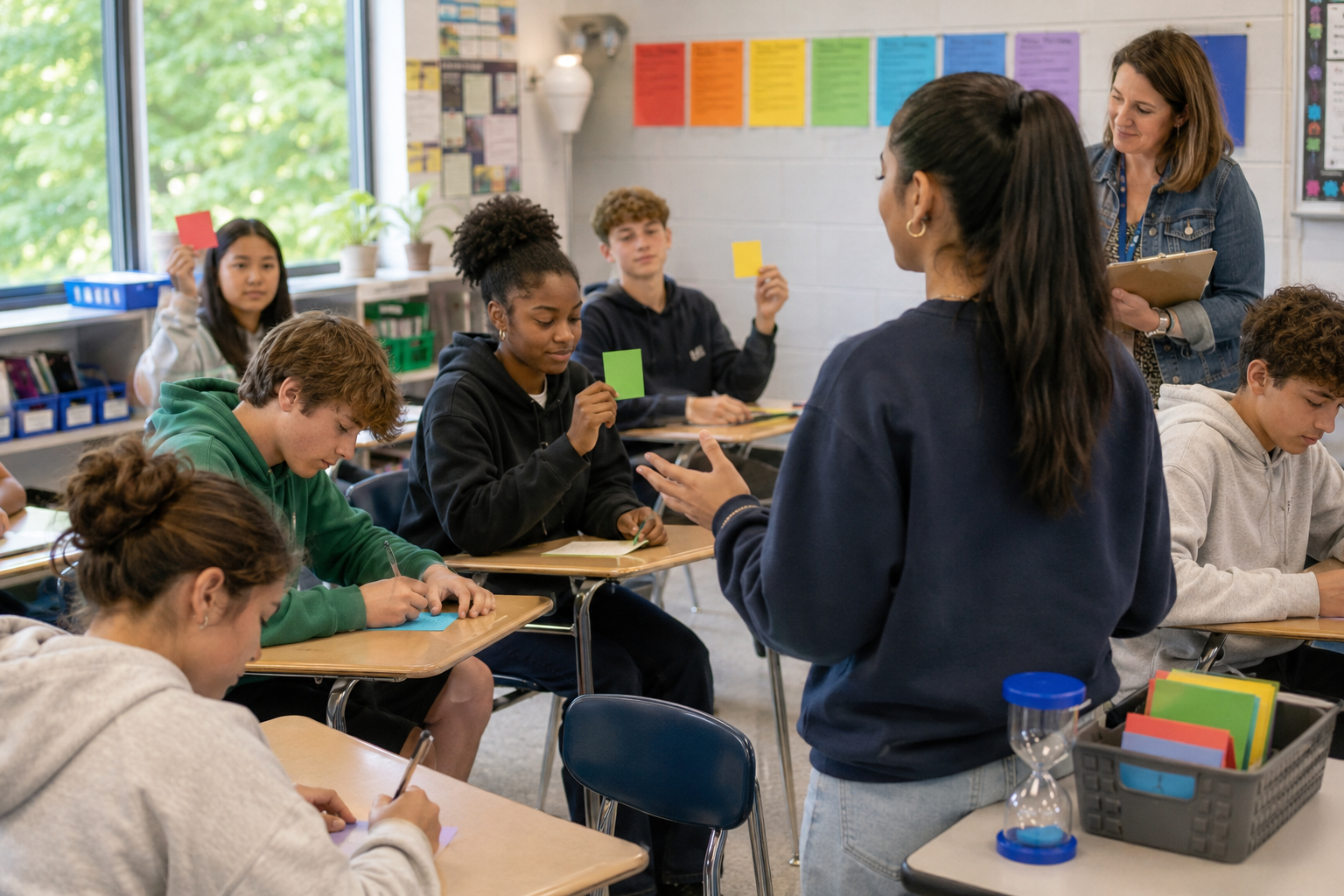
Simple, scaffolded routines give learners predictable structure and make practice manageable. When routines are compact and clear, students spend less energy on decisions and more on skill growth. Teachers can design small rituals that promote reflection, practice, and transfer between lessons. This article outlines practical steps to craft, implement, and refine routines that increase student ownership.
Why routines matter
Routines reduce cognitive load by standardizing start-up actions and setting clear expectations. They also create consistent opportunities for metacognition, helping students notice what works and what needs adjustment. Over time, predictable rituals build habits: students begin to self-initiate and self-assess with less prompting. For teachers, routines free bandwidth to teach higher-order thinking and provide targeted feedback.
Begin with one small routine and measure its effects. Small changes compound.
Designing compact scaffolded routines
Start by selecting a single classroom moment to target, such as beginnings of lessons or transitions. Define a 60–90 second script that students can learn in a few repetitions and that supports a learning aim. Include a simple student-facing prompt (for example, a question to check understanding) and an explicit teacher signal. Avoid lengthy instructions; the point is repeatability and clarity so the routine can be used without heavy supervision.
Pilot the routine for a week and collect quick data. Use that evidence to tweak cues and timing.
Monitoring and iterating routines
Track basic indicators: how often the routine starts on time, student participation rates, and the quality of student responses. Short anecdotal notes or a simple checklist can provide actionable feedback without adding grading load. Share results with students and invite micro-adjustments; peer suggestions often yield practical improvements. Set a review cadence — weekly or biweekly — to decide whether to keep, adjust, or retire a routine.
When students help refine routines they own the process and outcomes. Iteration keeps routines relevant.
Supporting transfer and sustainability
Encourage learners to name when and where a routine helps them outside the original lesson. Prompt brief comparisons after activities so students connect the routine to different tasks and subjects. Embed occasional variation so the structure supports flexible thinking rather than rigidity. Also build in recognition: short acknowledgments reinforce consistent use and signal value to the class.
Rotate ownership by having students lead the routine periodically. This builds leadership and long-term sustainability.
Conclusion
Compact, scaffolded routines offer disproportionate benefits for classroom agency. By designing short, repeatable scripts and gathering simple evidence, teachers can build student ownership. Start small, iterate with learners, and let routines become a platform for deeper learning.