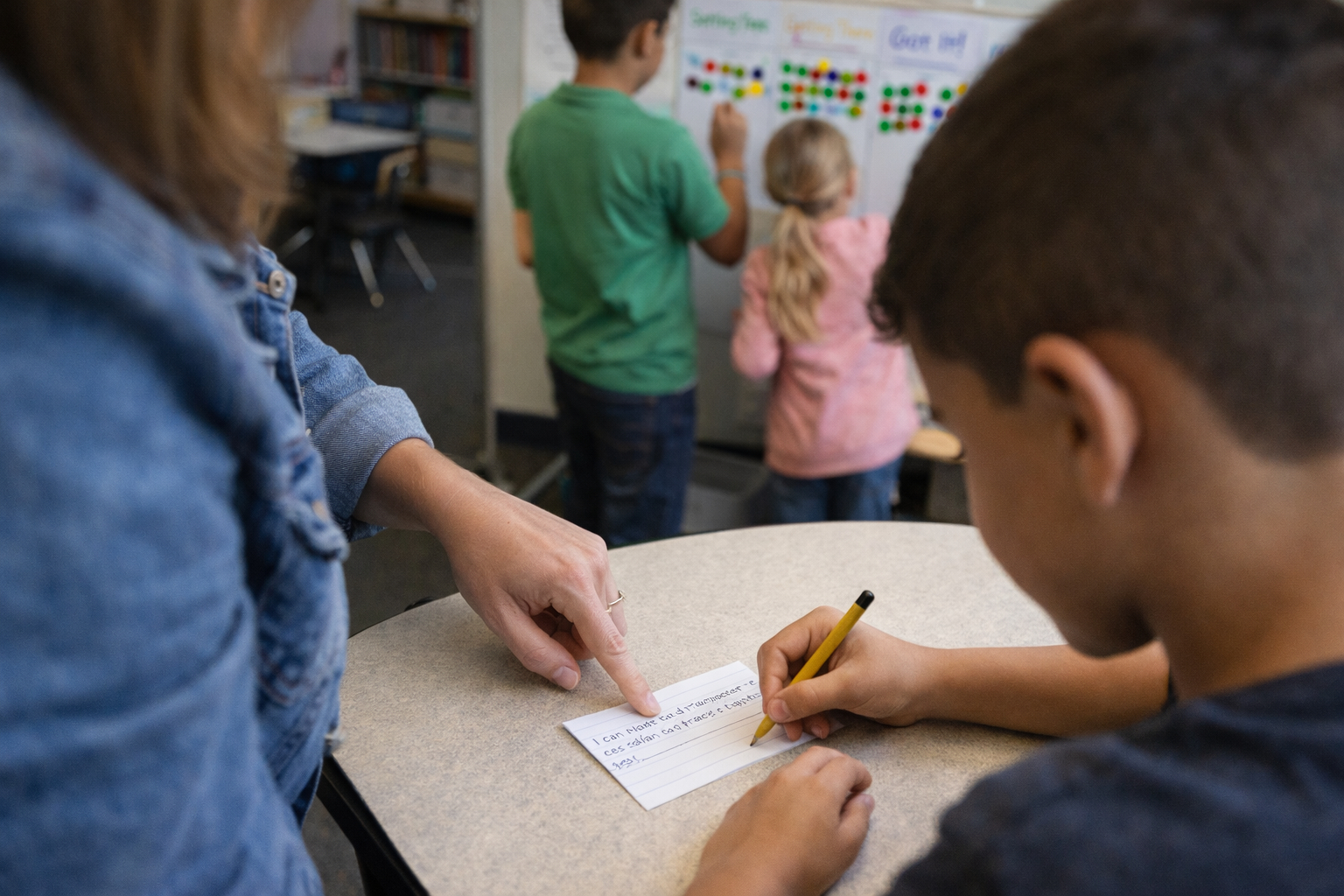
Frequent, low-stakes assessments can shift responsibility for learning from teacher to student without adding excessive grading work. When assessments are short, focused, and actionable, students get timely information about their progress and next steps. These small assessment moves also normalize effort, mistakes, and revision as part of learning. Examples in this article are practical and adaptable across grade levels and subjects. Teachers will find step-by-step approaches to incorporate short checks and feedback routines.
Why Small Assessments Matter
Short checks change the classroom culture by making learning visible and manageable. They reduce high-pressure testing environments and provide recurring opportunities for students to self-assess understanding. Teachers can use quick quizzes, exit tickets, or minute papers to gather data and identify patterns in student thinking. The information gathered informs instruction and helps students set precise goals. Students benefit from frequent checkpoints because misconceptions are caught early before they fossilize.
When learners see evidence of their growth they are more likely to take responsibility for next steps. Small wins build motivation and clarity. Teachers also report greater clarity in lesson planning when assessment data is regular.
Designing Low-Stakes Checks
Effective low-stakes tasks are specific, limited in scope, and tied to clear success criteria. Craft prompts that require application or explanation rather than only recall so students practice higher-order skills in bite-sized ways. Keep items brief—one clear prompt or a small set of focused questions—so completion is quick and feedback can be timely. Consider rotating formats to include self-assessments, peer checks, and teacher quick reads. Align tasks with learning targets so students connect each check to a larger aim.
Clarity about purpose helps students interpret results and plan revisions. Predictable, simple routines increase student engagement with assessment data. Over time, students learn to predict and correct errors earlier.
Using Feedback to Build Ownership
Feedback makes assessment useful only when students act on it, so route comments toward next steps students can take independently. Teach short revision cycles where students correct or extend work based on a single targeted suggestion. Encourage goal-setting conversations and brief reflections that ask what changed and what remains challenging. Over time, these habits help students internalize monitoring and adapt strategies without constant teacher prompts. Modeling how to use a single piece of feedback helps students transfer the strategy to new tasks.
Aim for feedback that is prescriptive and attainable in the next class or homework session. Small, actionable suggestions accelerate learning and foster autonomy. Celebrate revisions as progress to reinforce the value of iteration.
Conclusion
Implementing short, frequent assessments and clear feedback routines shifts responsibility to students while keeping teacher workload manageable. These moves promote a classroom culture of continuous improvement and practical skill-building. Start with one routine and iterate based on results.
Related Articles


Recent Posts

Designing Compact Choice Menus to Foster Student Decision-Making
Teaching Students to Sequence Tasks for Deeper Engagement
Practical Classroom Methods for Teaching Strategic Study Prioritization
Translate Everyday Work into Clear Professional Evidence
A Practical Process for Building Portable Career Proofs


