Classroom routines can quietly shape learner behavior over time, guiding students toward greater initiative.
Short, repeatable habits help students manage attention, organize tasks, and build confidence in small steps.
When teachers design brief daily practices with clear purpose, students are more likely to take ownership of learning.
This article outlines practical habits and ways to measure their impact so teachers can refine classroom practice.
Why small habits matter
Small habits reduce cognitive load by turning choices into predictable actions, which frees mental energy for deeper thinking. They create consistent signals that reinforce expectations about concentration, collaboration, and task completion. Over time, tiny routines become automatic and help learners self-regulate without constant adult prompts. This incremental shift supports motivation by delivering frequent, achievable successes.
Adopting modest practices is especially useful in diverse classrooms because they are adaptable and low-cost to implement. Teachers can tweak each habit to match age, subject, and classroom rhythm while keeping the underlying purpose intact.
Practical habits to implement
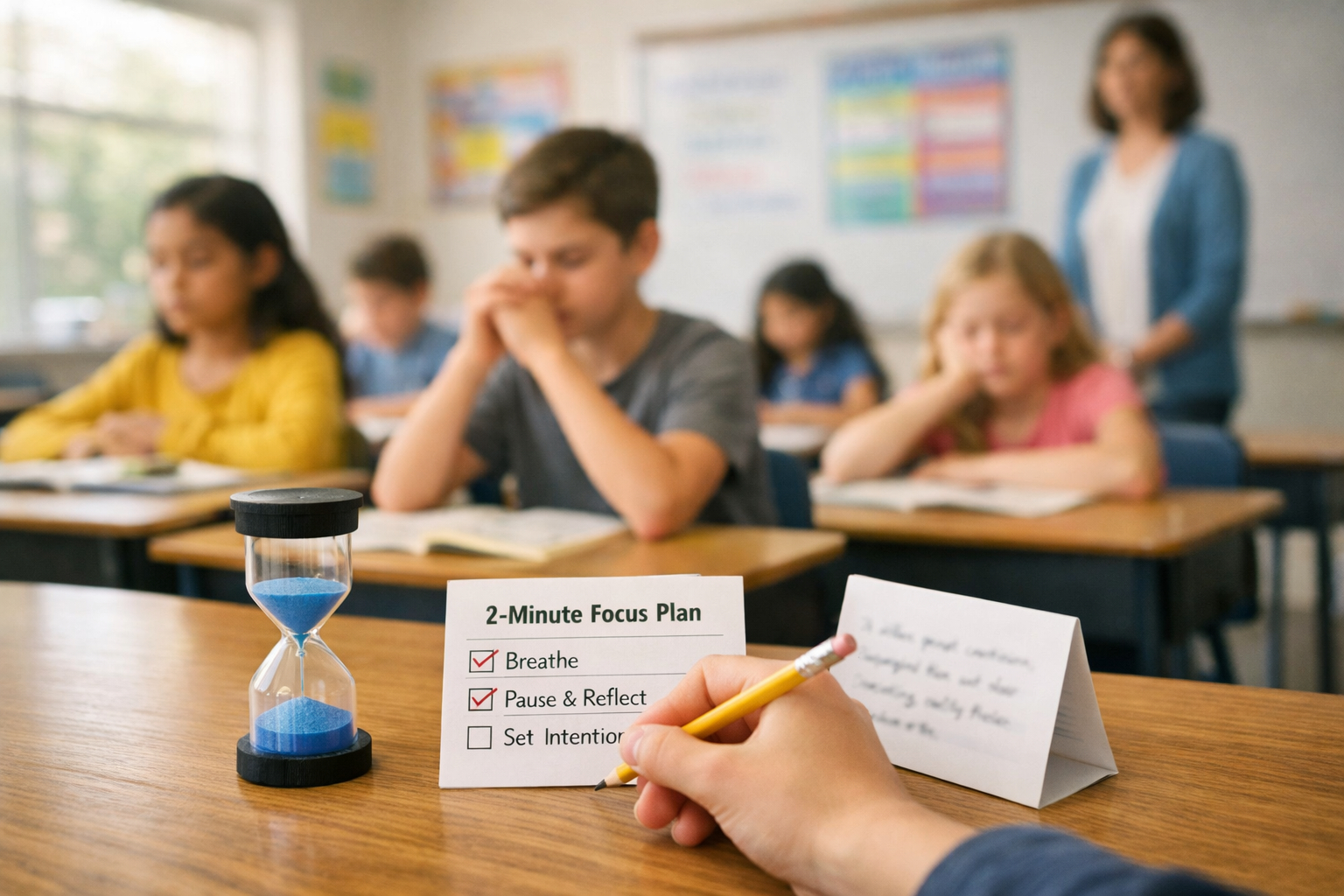
Choose habits that are short, repeatable, and tied to a clear learning goal, such as starting class with a one-minute focus task or ending with a brief reflection. Consistency matters: practice the same habit for several weeks so it becomes part of classroom culture. Explain the reason behind each routine and model it until students can perform it independently. Pair habits with simple visual cues like timers or a checklist to make expectations obvious.
- Begin with a 60-second mindfulness or attention warm-up.
- Use a two-minute planner: students jot the main task and one step to start.
- Finish with a quick written reflection or a three-word summary of learning.
- Rotate brief peer feedback routines to build responsibility and communication skills.
These examples can be combined or scaled depending on lesson length. The goal is steady repetition so behaviors become routine rather than occasional interventions.
Tracking progress and adjusting routines
Measure impact through simple indicators such as on-task time, quality of student reflections, or frequency of student-initiated questions. Collect brief feedback from students about which habits feel helpful and which feel burdensome. Use quick data—exit tickets, short checklists, or periodic observations—to spot patterns without overwhelming instructional time. Regular review allows teachers to discard ineffective practices and reinforce those that support learning.
Be patient and iterative: small habits take time to influence classroom dynamics, but consistent attention to implementation yields visible gains. Share successes with colleagues to build a pool of practical ideas and refine approaches collaboratively.
Conclusion
Start with a handful of concise, purposeful routines and practice them consistently each day.
Gather simple evidence and student feedback to refine what works for your classroom context.
Over weeks and months, small habits accumulate into stronger student initiative and sustained focus.