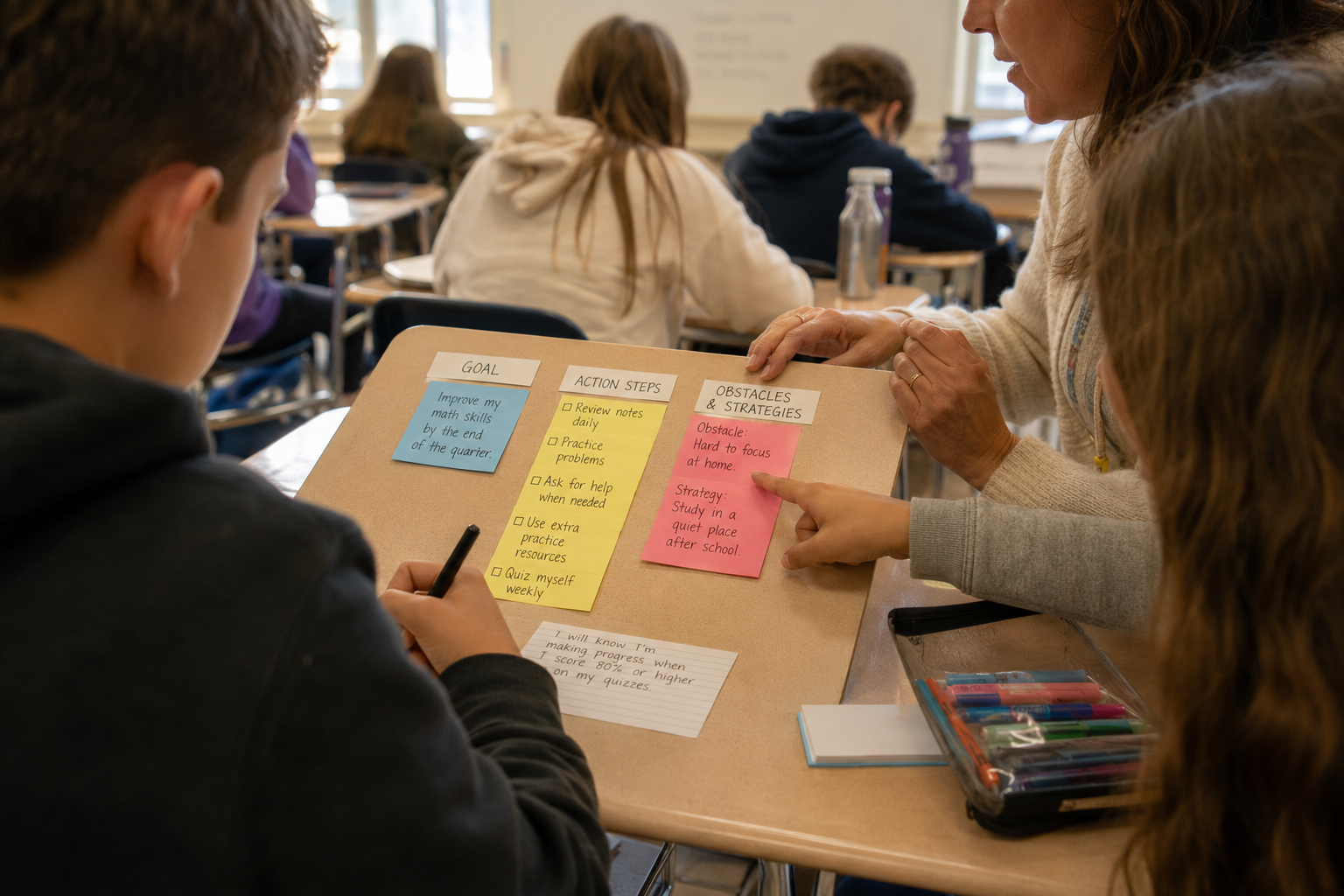
Teaching learners to plan effectively is less about long lessons and more about giving them compact, repeatable tools they can use across tasks. Small templates and prompts reduce decision fatigue and make planning visible and teachable. When students practice with portable tools, they begin to transfer planning habits from one subject to another. This article outlines simple, classroom-ready options and practical steps for introducing them.
Why Transferable Tools Matter
Transferable planning tools help students move from one-off strategies to durable habits by offering structure without heavy teacher direction. They support metacognition by prompting students to identify goals, estimate time, and foresee obstacles before they start work. These tools also create common language for feedback, so teachers and peers can discuss planning moves consistently. Over time, repeated use reduces the cognitive load of organizing tasks and increases on-task productivity.
Clear, portable formats encourage autonomy because students can apply the same frame to homework, projects, or revision. The result is a stronger link between planning effort and measurable progress.
Three Small Tools to Try
Introduce a small set of tools that are easy to teach and quick to use; three reliable examples are a one-line goal statement, a Now/Next/Later checklist, and a two-column obstacle/strategy chart. Each occupies a little space and returns big learning value because the format itself signals what good planning looks like. Use paper cards, sticky notes, or a digital template so students can keep the tool with their work.
- One-line goal: Students write the specific outcome they aim to reach in one sentence.
- Now/Next/Later checklist: A short sequencing prompt that encourages prioritization.
- Obstacle/Strategy chart: Students predict a likely problem and record a planned response.
These tools are deliberately minimal so students can use them habitually. They also provide anchors for quick teacher feedback and peer conversations.
Implementation Tips
Start by modeling each tool in a live task and make its use routine for a week rather than optional. Pair students for quick peer review of the planning artifacts and ask them to note one improvement for next time. Collect samples intermittently and discuss patterns—this keeps the focus on learning moves rather than grades. Gradually fade prompts so students begin to initiate the tools independently.
Consistency matters more than complexity: brief practice and targeted feedback will yield stronger transfer than occasional lengthy instruction. Keep celebrating when students apply the same tool in new contexts to reinforce portability.
Conclusion
Small, portable planning tools make the invisible work of planning visible and teachable. With regular modeling and quick feedback, students begin to use the same strategies across tasks and subjects. Over time these compact habits help learners plan more independently and productively.
Related Articles


Recent Posts

Practical Framework for Prioritizing Education Expense Decisions
Practical Tactics for Managing Household Education Expenses
Everyday Rules to Decide When to Fund Education Costs
Habit-Based Classroom Signals to Encourage Continuous Student Ownership
Micro-Retrospectives After Tasks Foster Learner Autonomy


