Effective learning depends less on time spent and more on how information is structured and practiced. By arranging intake to align with purpose and application, learners retain and use knowledge more reliably. This article outlines practical approaches to shape inputs, schedule practice, and create feedback loops that support transfer. Readers will find concrete techniques suitable for classrooms, self-study, and workplace learning. Applying these practices consistently reshapes how quickly new skills become routine.
Set Clear Outcomes and Chunk Content
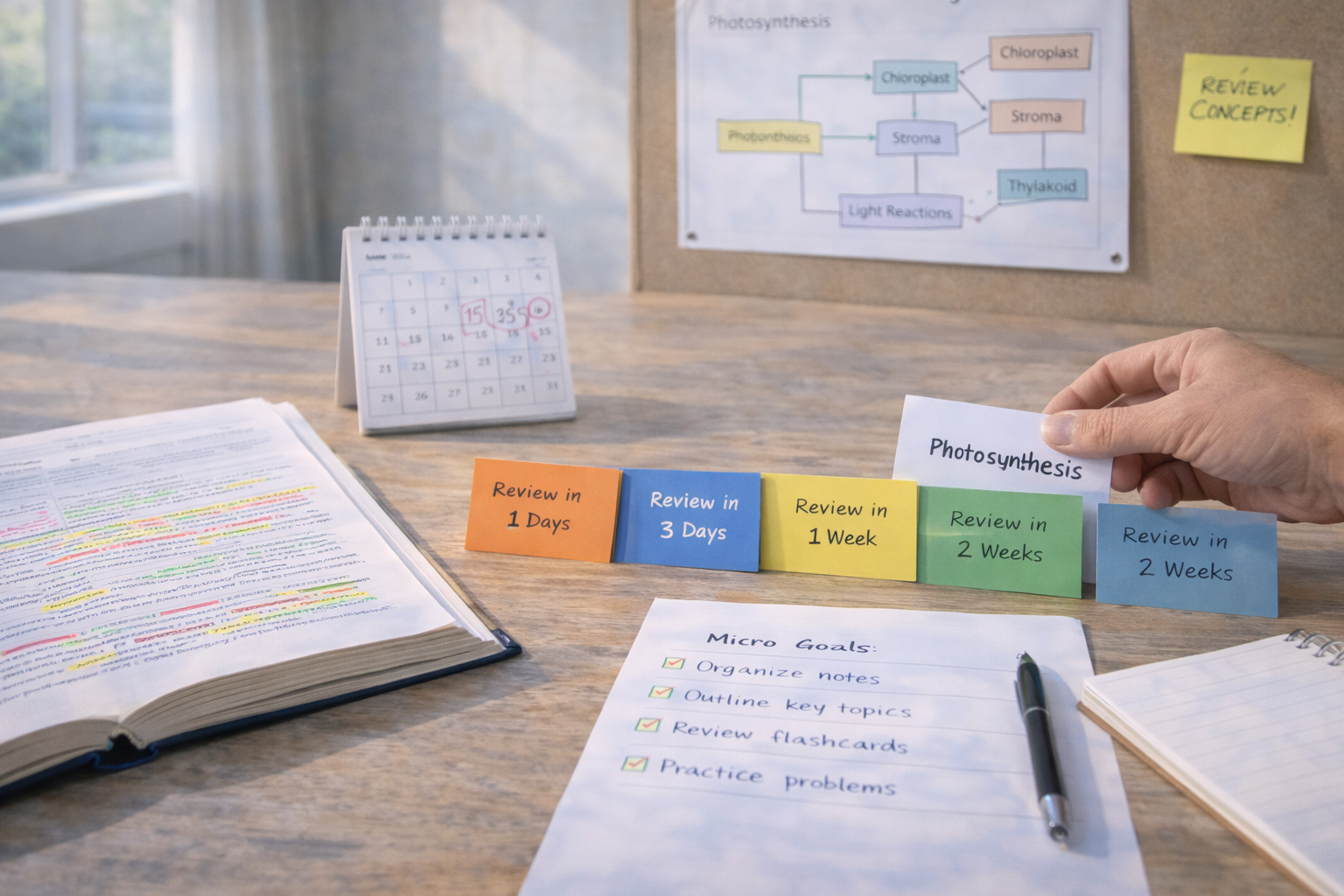
Begin with explicit outcomes that describe what a learner should do with knowledge. Chunk material into manageable units that map to those outcomes, making objectives visible and measurable. When topics are linked to tasks or problems, attention focuses and encoding improves, and learners can see direct application. Designing micro-goals also allows quick assessment of progress and encourages iterative adjustments. Align assessments and practice tasks so feedback targets those micro-goals directly.
This approach reduces cognitive overload and makes study sessions actionable. It also helps prioritize what to revisit during review. Revisit chunks when performance drops to keep progress steady.
Blend Active Practice with Spaced Review
Active techniques such as retrieval practice, problem solving, and teaching others produce stronger memory traces than passive rereading. Schedule reviews with increasing intervals to exploit spacing benefits, adjust timing based on forgetting, and prevent rapid decay. Interleaving related but distinct skills promotes discrimination and flexible application across contexts. Combine varied practice with low-stakes testing to surface gaps early and encourage durable learning. Measure progress with simple metrics like speed, accuracy, or transfer tasks to keep motivation calibrated.
- Daily short retrieval sessions
- Planned spaced review schedule
- Mix problem types and contexts
A deliberate mix of these methods turns exposure into usable skill. Small, consistent sessions beat marathon cramming for durable learning. Track tiny wins to sustain effort.
Organize Resources and Reflect Frequently
Curate a limited set of high-quality resources and annotate them with your own summaries and examples. Use simple systems—tags, outlines, or concept maps—to reveal relationships and reduce redundancy. Reflection prompts such as ‘how would I apply this’ or ‘what surprised me’ deepen encoding and highlight transfer opportunities. Regular feedback from peers or mentors accelerates refinement and points out blind spots. Store decisions about what worked and what didn’t so future study can skip known dead-ends.
A tidy, reflective environment makes retrieval easier and study time more efficient. Over time, these habits compound into a personalized knowledge base. That record becomes a map of progress.
Create Feedback Loops and Iterate
Build quick feedback loops that reveal misunderstandings before they fossilize. Use quizzes, worked examples with solution checks, or peer review to surface errors and alternative strategies. Treat mistakes as data: categorize them, correct misunderstandings, and then rehearse corrected approaches. Iterate content and practice plans based on feedback so sessions become progressively more effective.
Consistent feedback keeps momentum and prevents plateauing. Small course corrections compound into large gains over months.
Conclusion
Structuring knowledge intake is a practical investment with immediate returns: clearer goals, better practice, and stronger transfer. Start by defining one outcome, apply an active review schedule, and consolidate resources. Over weeks this small change yields noticeable improvements in retention and application.