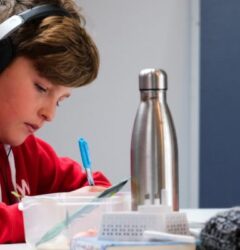
Sustainability education has become an essential part of preparing future generations for the environmental challenges ahead. As climate issues grow more urgent, schools and communities are recognizing the importance of teaching young people how to care for the planet, make responsible choices, and understand the impact of their actions. By integrating sustainability into everyday learning, educators help students build lifelong habits that support a healthier, greener future. This shift isn’t just about lessons—it’s about shaping a mindset that values stewardship, conservation, and innovation.
Building Environmental Awareness Early
Introducing sustainability concepts at a young age helps students develop a natural curiosity about the world. Simple activities—like exploring nature, learning how ecosystems work, or observing weather patterns—spark an understanding of environmental relationships. When children learn how small actions affect larger systems, they begin to appreciate the importance of protecting natural resources. Early exposure builds the foundation for responsible behavior and deeper environmental engagement as they grow.
Making Learning Hands-On and Practical
Sustainability becomes more meaningful when students can see and experience it directly. Hands-on activities like gardening, recycling programs, classroom energy audits, or water conservation projects turn abstract ideas into real-life learning. These projects teach responsibility, teamwork, and problem-solving, while also demonstrating the positive results of sustainable choices. Practical learning helps students connect classroom lessons to the world around them.
Encouraging Critical Thinking and Innovation
Teaching sustainability encourages students to think critically about challenges and design creative solutions. Whether discussing renewable energy, reducing waste, or developing eco-friendly products, students learn to analyze problems from multiple perspectives. Encouraging innovation—through science projects, design thinking, and collaborative activities—helps students see how they can actively contribute to change. This mindset fosters future leaders who are prepared to tackle global issues with fresh ideas.
Connecting Sustainability to Everyday Life
Sustainability education is most effective when it connects to students’ daily routines. Discussions about food choices, energy use, transportation habits, or consumer behavior make sustainability practical and relatable. When students understand how personal decisions influence the environment, they are more motivated to adopt greener habits. These lessons empower them to become advocates for change in their homes and communities.
Conclusion
Sustainability education plays a vital role in shaping environmentally conscious citizens who understand the importance of protecting the planet. By building awareness early, providing hands-on experiences, encouraging innovation, and linking lessons to real life, educators help create a generation prepared to lead with responsibility and care. Teaching for a greener future ensures that tomorrow’s world is guided by thoughtful, informed, and environmentally mindful individuals.