Teaching students how to learn is as important as what they learn, and classroom structures can make that process visible and practical. This article outlines clear, reproducible steps teachers can use to help learners develop independent study habits, metacognitive awareness, and effective planning. Rather than relying on one-off lessons, these approaches integrate small routines, frequent feedback, and intentional reflection into everyday instruction. The goal is manageable change that scales across subjects and grade levels so students steadily build confidence and capability.
Clarify Learning Processes
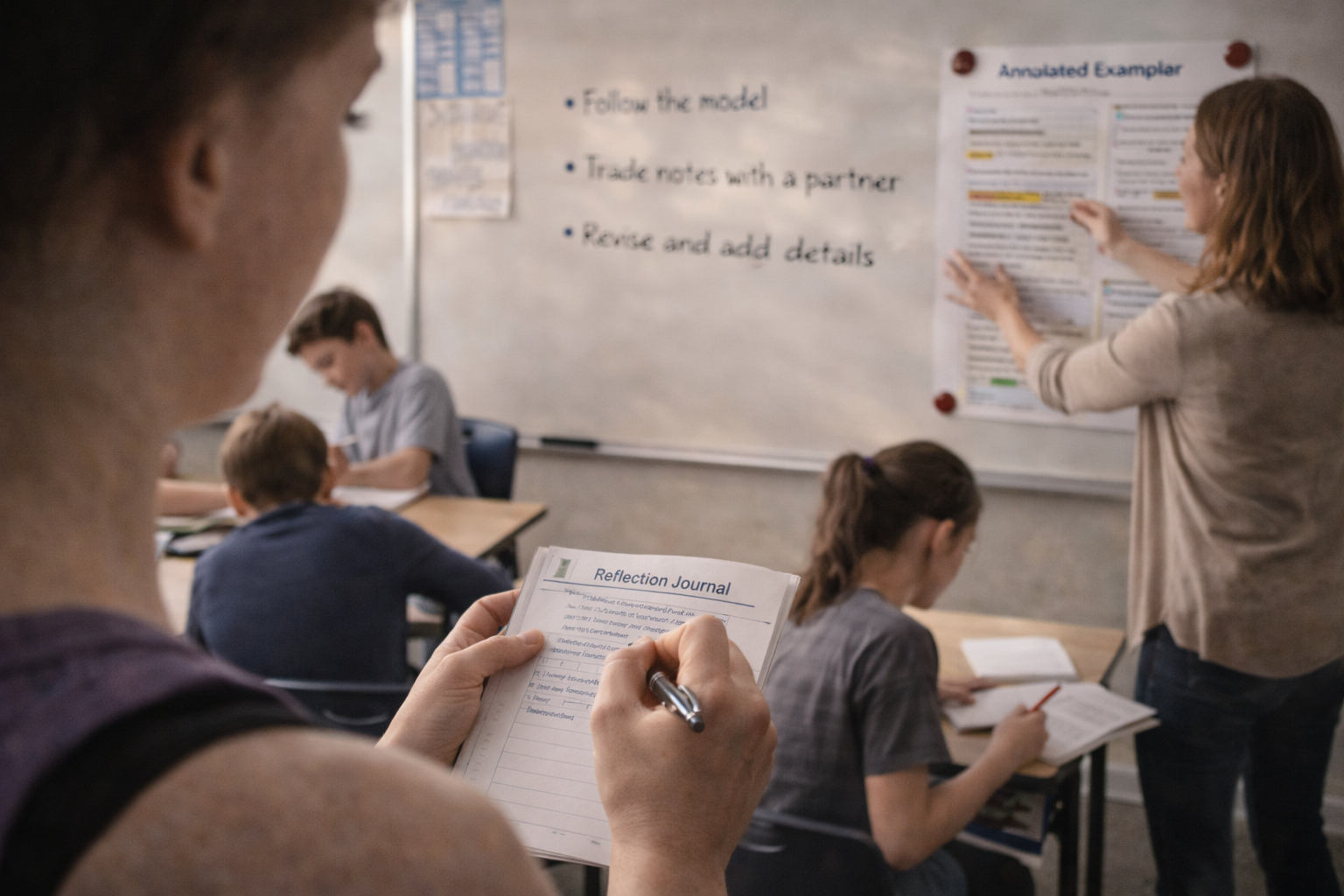
Begin by making learning processes explicit: model note-taking, show how to break tasks into steps, and demonstrate how to approach complex problems. When students see the strategies teachers use, they can adopt and adapt those methods for their own work. Use short demonstrations and annotated examples to reveal thinking patterns and decision points that are normally invisible. Clear criteria and exemplars help students judge their progress and reduce uncertainty about what success looks like.
Regularly revisit these models so strategies become tools rather than occasional tips. Over time, students internalize approaches and apply them in new contexts.
Embed Short Practice Cycles
Design brief, focused practice cycles where students try strategies, receive quick feedback, and revise their work. Micro-tasks of ten to twenty minutes can produce meaningful gains without overwhelming class schedules. Pairing peer review with teacher checkpoints creates multiple feedback sources and accelerates skill development. Documented iterations — a short log or revision note — make progress visible for both students and teachers.
These cycles cultivate persistence and normalize revision as part of learning. Students learn that improvement comes through deliberate practice rather than one perfect attempt.
Foster Reflection and Planning
Structured reflection prompts guide students to evaluate what worked, where they struggled, and what to try next. Incorporate brief planning periods where learners set specific, achievable goals for the next session. Teaching simple goal-setting templates and time estimates helps students manage work and build realistic expectations. Regular reflection combined with concrete plans transforms insight into action and supports continuous growth.
Make reflection a routine rather than an add-on, using consistent questions and short timelines. When learners plan deliberately, they develop agency and clearer paths to improvement.
Design Supportive Routines
Establish predictable classroom routines that free cognitive energy for deeper learning, such as set times for independent practice and brief strategy check-ins. Consistent structures reduce friction and allow students to focus on applying methods rather than negotiating logistics. Routines also make it easier to scaffold tasks for diverse learners by building adjustments into regular flows. When expectations and sequences are stable, students can experiment within a safe, familiar framework.
Communicate routines clearly and involve students in refining them so the class invests in the system. This shared ownership reinforces habit formation and encourages responsibility for individual progress.
Conclusion
Small, consistent classroom practices make learning strategies accessible and sustainable for students. By clarifying processes, embedding practice cycles, and fostering reflection, teachers create environments where learners grow. These steps emphasize gradual change, measurable progress, and transferable skills that support lifelong learning.