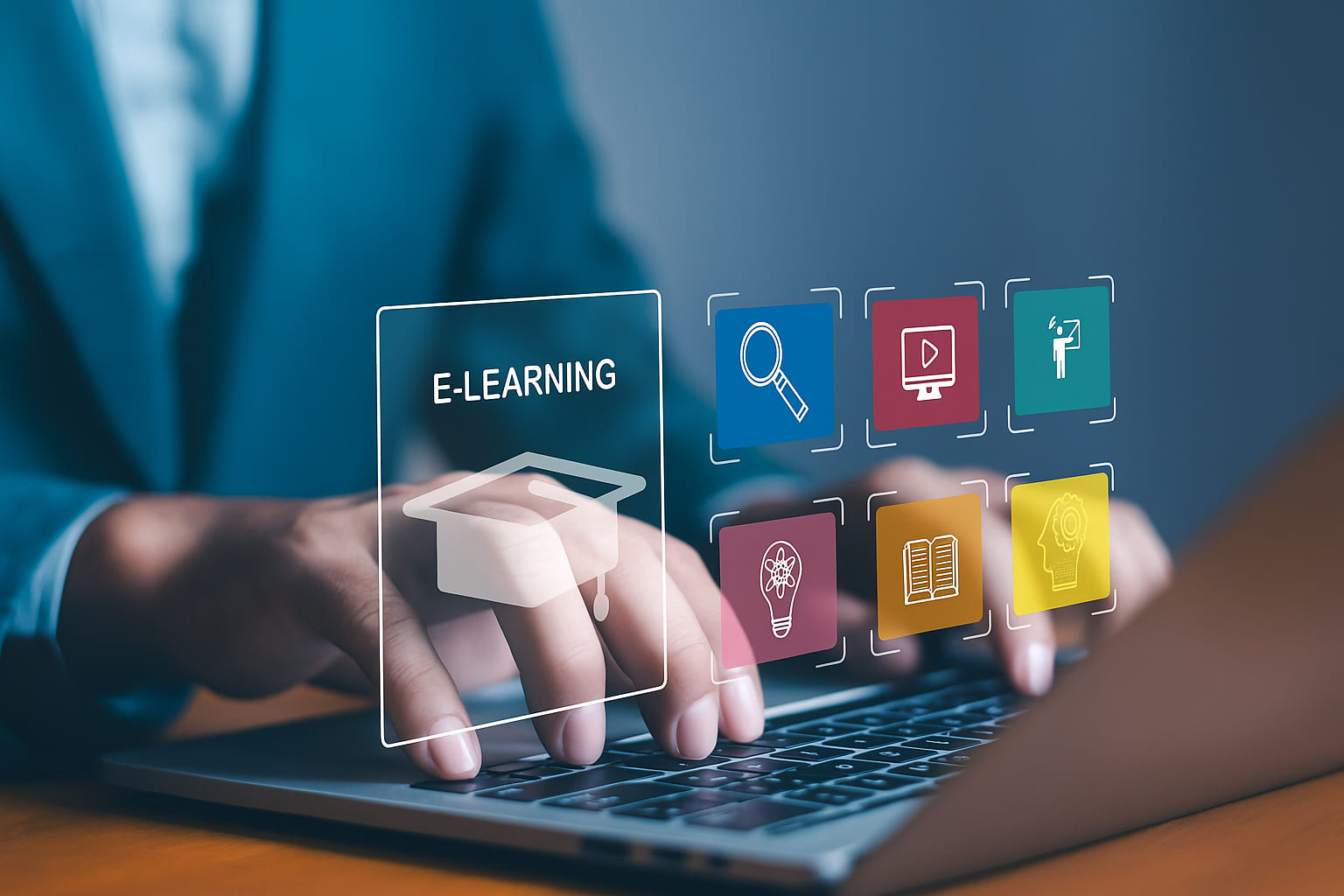
The shift to virtual learning has transformed education worldwide. What began as an emergency solution during global disruptions has now become a permanent part of how we learn and teach. Virtual classrooms are no longer just about convenience — they’re shaping the future of education by making learning more flexible, accessible, and interactive.
Here’s what the future of virtual classrooms looks like.
1. More Personalized Learning
Virtual classrooms can use data and AI to tailor lessons to each student’s pace and style. From adaptive quizzes to personalized feedback, technology will help create a learning experience that meets individual needs.
2. Integration of Virtual and Augmented Reality
Imagine attending a history class where you can virtually walk through ancient Rome, or a science class where you explore the solar system in 3D. VR and AR will make learning more immersive and engaging, turning concepts into real experiences.
3. Global Classrooms Without Borders
Geography will no longer limit education. Students from different parts of the world can come together in the same virtual classroom, promoting cultural exchange, collaboration, and diversity in learning.
4. AI-Powered Teaching Assistants
Virtual classrooms will increasingly feature AI tutors and chatbots that provide real-time help, answer questions, and guide students through assignments — extending support beyond the teacher.
5. Enhanced Collaboration Tools
Future virtual platforms will allow smoother teamwork with shared whiteboards, interactive simulations, and breakout sessions. These tools will make remote learning more collaborative and closer to the in-person classroom feel.
6. Greater Accessibility
Virtual classrooms can break barriers for students with disabilities by integrating closed captions, screen readers, language translation, and customizable interfaces, ensuring that education is inclusive for everyone.
7. Hybrid Models of Learning
The future isn’t only online — hybrid models combining virtual and physical classrooms will dominate. Students may attend in-person classes a few days a week and learn virtually the rest, balancing flexibility with face-to-face interaction.
8. Focus on Lifelong Learning
Virtual classrooms will expand beyond schools and universities, supporting professionals and lifelong learners. Upskilling, certifications, and short courses will become more accessible online, helping people adapt to changing career demands.