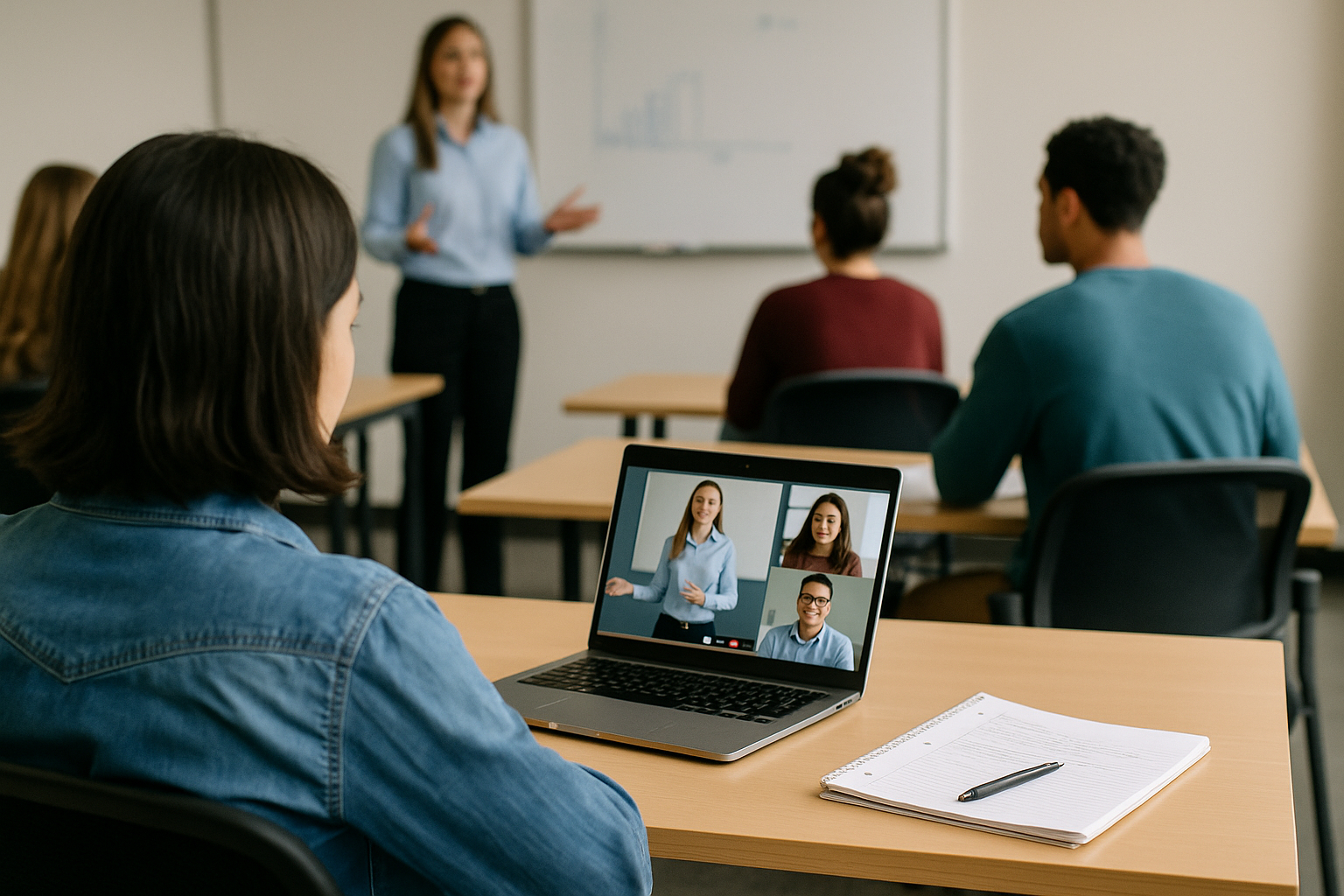
Hybrid learning has rapidly evolved into a preferred educational model, blending the structure of in-person instruction with the flexibility of online learning. As schools, universities, and professional programs continue adopting this approach, students and educators are discovering new opportunities to personalize learning, improve engagement, and optimize time. With its dynamic mix of digital tools and face-to-face interactions, hybrid learning offers a balanced experience that supports different learning styles and prepares students for modern, technology-driven environments.
Designing a Balanced Structure
A successful hybrid learning model begins with a thoughtful balance between online and in-person elements. Educators should clearly define which activities work best in each format—for example, lectures may transition smoothly to virtual platforms, while group collaboration or hands-on exercises may benefit from being held on campus. Establishing a predictable structure helps students plan their schedules, stay organized, and feel confident about what to expect from each part of the course.
Using Technology to Enhance Engagement
Digital tools play a crucial role in hybrid learning, offering interactive features that keep students connected regardless of location. Platforms with discussion boards, breakout rooms, polls, and shared documents create real-time engagement that mirrors in-class participation. Educators can also integrate videos, simulations, and online exercises to reinforce lessons and make learning more immersive. When technology is used intentionally, it becomes a powerful extension of the classroom.
Promoting Strong Communication and Support
Clear communication is essential in hybrid environments where students navigate multiple learning formats. Regular updates, accessible course materials, and consistent office hours—virtual or in person—help make students feel supported. Encouraging questions, providing timely feedback, and offering guidance on digital tools ensures that learners stay confident and engaged throughout the course. Transparent expectations and responsive communication build trust and reduce confusion.
Creating Meaningful Interaction
Hybrid learning succeeds when students feel connected, regardless of where they are learning from. Incorporating collaborative projects, group discussions, and peer reviews helps build relationships and fosters a sense of community. Whether online or in the classroom, structured interaction motivates students, strengthens participation, and enhances overall learning outcomes. The goal is to ensure that both environments feel equally engaging and inclusive.
Developing Time-Management and Self-Discipline Skills
With the freedom that hybrid learning offers comes the responsibility of managing time effectively. Students should create dedicated study routines, limit distractions during online sessions, and use planners or digital calendars to stay on top of assignments. Educators can support these habits by providing clear deadlines, offering study tips, and structuring coursework in manageable segments. When students strengthen their self-discipline, they get the full benefit of hybrid learning’s flexibility.
Conclusion
Hybrid learning continues to rise because it offers the best of both worlds: flexibility and connection. By balancing course structure, using digital tools thoughtfully, and maintaining strong communication, educators and students can thrive in this modern learning model. With intentional planning and active engagement, hybrid learning becomes a powerful path to long-term academic success.