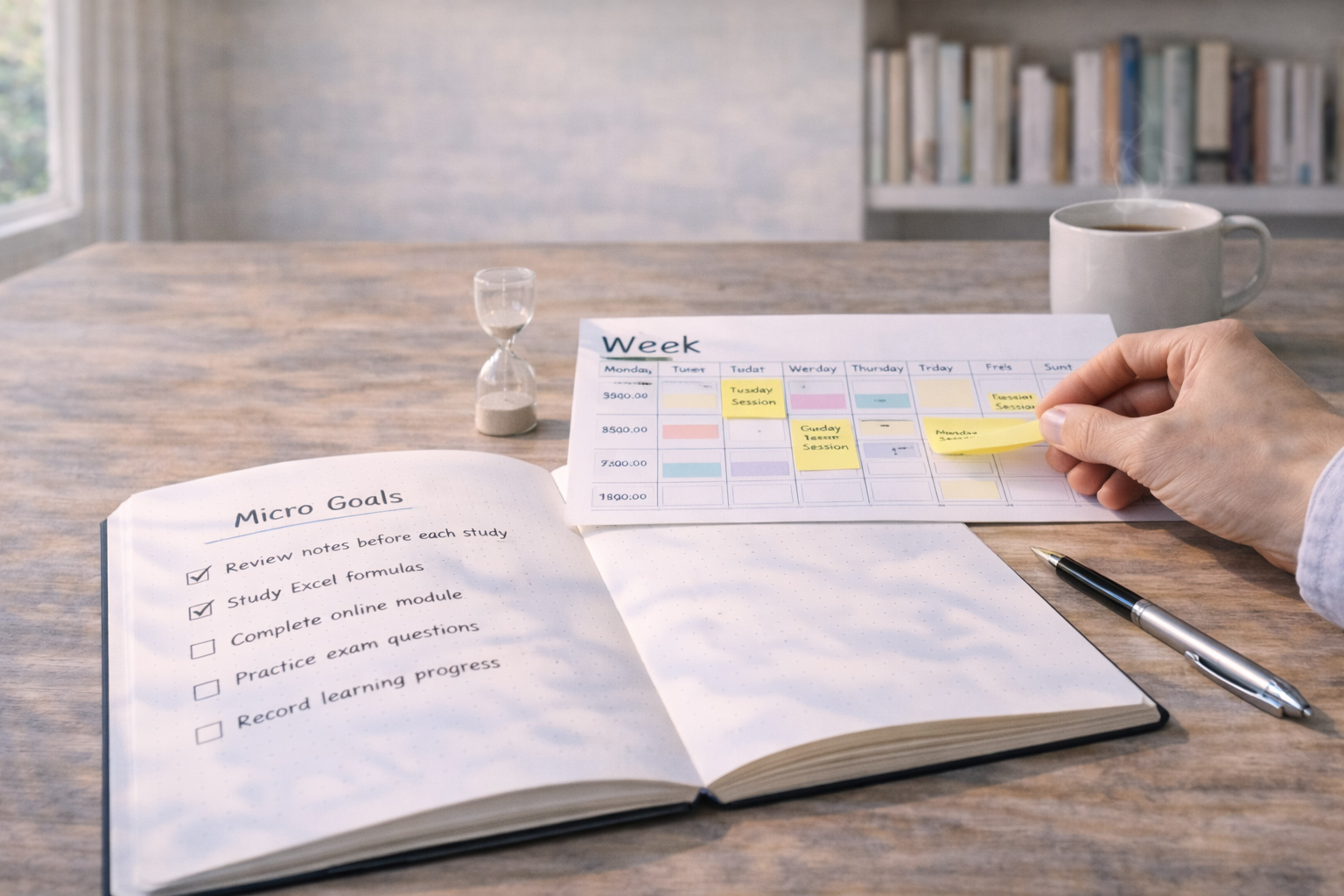
Most professionals and lifelong learners find it difficult to convert curiosity into steady progress, because interest alone rarely produces routine. Without an intentional structure, ideas remain scattered and practice becomes sporadic, which undermines retention and confidence. A deliberately designed study architecture channels curiosity into measurable goals and repeatable habits that fit realistic schedules. Below I outline principles and practical steps to build a system that encourages consistent learning and lasting skill growth.
Why structure matters
Structure reduces decision fatigue and creates predictable cues that make it easier to begin each session instead of waiting for motivation to arrive, which often never does. By aligning short-term practice with medium and long-term objectives, a study architecture ensures small daily efforts compound into meaningful capability. Including explicit review, spaced practice, and opportunities for reflection increases retention and improves the ability to transfer knowledge to real tasks. When you define constraints and a clear purpose, you can sustain progress through busy periods and measure what actually changes.
Having a framework also helps prioritize effort and avoid busywork that feels productive but yields little long-term benefit. This clarity protects time and supports confident, deliberate iteration on your learning approach.
Building your study architecture
Start by choosing a limited scope: pick one topic, skill, or problem to focus on for a defined window such as four to eight weeks rather than trying to tackle everything at once. Translate that focus into measurable micro-goals and map them to short, repeatable sessions—twenty to forty minute blocks work well for focused practice and are easier to schedule consistently. Add lightweight assessments and scheduled review points to check retention, highlight gaps, and guide what you study next. Make sure to include brief reflection to surface insights about what techniques work and where to adjust intensity or resources.
- Choose one clear priority and a realistic short-term objective.
- Break the objective into weekly micro-goals that fit short sessions.
- Design focused practice with a single learning target per session.
- Schedule regular reviews and a simple self-assessment each week.
These elements create a repeatable loop: plan, practice, review, and refine, which keeps the system adaptive and resilient as you learn more.
Maintaining momentum
Sustainability depends on habit design, environmental cues, and accountability mechanisms that lower friction and reinforce commitment over time. Use calendar blocks, prepared materials, or a study partner to create triggers that make sessions automatic and avoid long setup times that derail practice. Protect your most productive windows when possible and keep sessions predictable to build momentum, while remaining flexible enough to reallocate effort when priorities shift. Treat setbacks as information to refine the architecture rather than as failures, adjusting session length, frequency, or methods when outcomes indicate change is needed.
Small, consistent adjustments maintain engagement and prevent overload, turning short practices into cumulative progress you can monitor and enjoy.
Conclusion
Design a compact, repeatable study architecture that channels curiosity into focused action and measurable improvement.
Begin with a single priority, set modest micro-goals, and commit to short, regular practice with review built in.
Over time, this manageable system turns intermittent interest into sustained competence and ongoing learning.