Classroom setbacks are often treated as endpoints rather than steps in a learning process. Reframing small failures as information lets students experiment without fear and sharpen metacognitive skills. Teachers who design predictable opportunities to fail safely help learners iterate more quickly. This article outlines practical moves to convert brief missteps into productive learning momentum.
These ideas focus on low-friction routines that scale across grades and subjects. They emphasize short cycles of action, feedback, and revision. The goal is to make experimentation an ordinary part of classwork rather than an occasional exception.
Reframing errors as learning signals
When errors are seen as signals, they reveal misconceptions, strategy gaps, or missing background knowledge. Explain to students that a mistake identifies where attention will yield the most learning, and model how to read that signal. Use neutral language and focus discussion on process, not personal fault. Over time learners will associate errors with opportunity rather than embarrassment.
Establish a shared vocabulary for talking about setbacks and next steps. Simple phrases like “What did this show us?” or “What will you try next?” guide constructive responses.
Classroom moves to normalize iteration
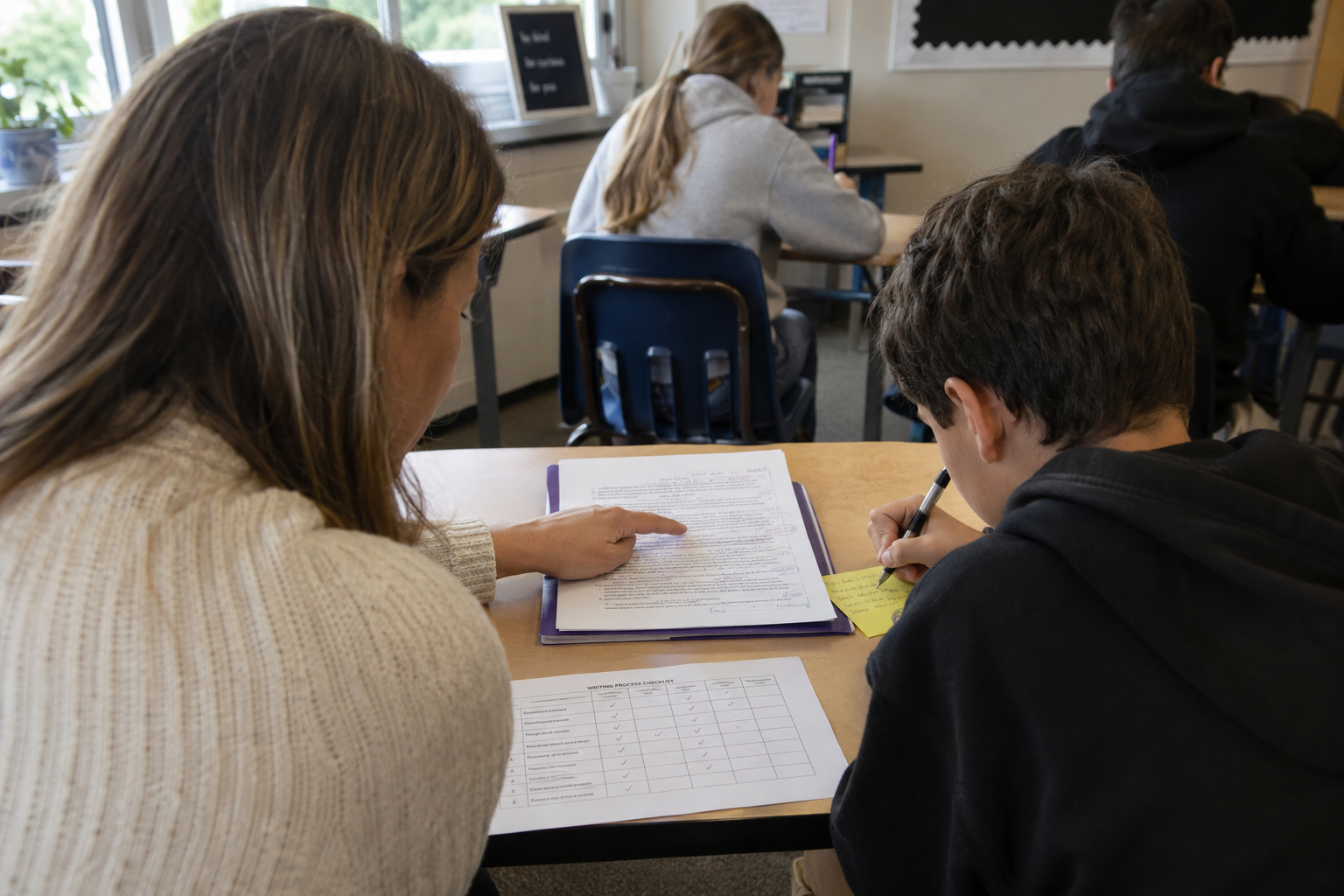
Introduce short, routine practices that make iteration predictable and efficient. Try micro-conferences: 2–3 minute checkpoints where students state one claim and one planned revision. Use versioning prompts so every draft has a clear difference (v1, v2, v3). Build quick redo windows immediately after formative checks so revision feels timely and useful.
- Micro-conferences for focused revision planning.
- Versioning prompts to track changes across attempts.
- Timed redo windows to encourage immediate iteration.
These moves reduce the friction of trying again and keep attention on learning steps rather than final grades.
Scaffolded reflection and quick feedback
Guided reflection helps students turn failure into a planable sequence of improvements. Provide short prompts that ask for one insight, one obstacle, and one concrete next step. Pair reflections with targeted feedback: one strength and one specific suggestion for the next attempt. Keep feedback actionable and limited so students can apply it within a single work cycle.
Routine reflections can be oral, written, or recorded, and should be easy to complete during class time. Consistency makes reflection a habit rather than an add-on.
Measuring progress without stigma
Track iteration by growth markers instead of single-result judgments. Use checklists that document attempts, revisions, and learning points. Celebrate visible improvements in strategy or reasoning rather than focusing solely on correctness.
Visible progress records normalize the path from rough attempt to refined work. They also give students tangible evidence that small failures lead to meaningful gains.
Conclusion
Designing short cycles for trying, reflecting, and revising makes failure a productive part of learning. Small routines and targeted feedback keep iteration manageable and motivating. With consistent practice, students learn to treat setbacks as tools for improvement.