Education is often described as the foundation of human development, but the earliest years of learning play a far more significant role than most realize. Early childhood education is not just about preparing children for school, it’s about shaping the way they think, learn, and interact with the world throughout their lives.
The Foundation of Lifelong Learning
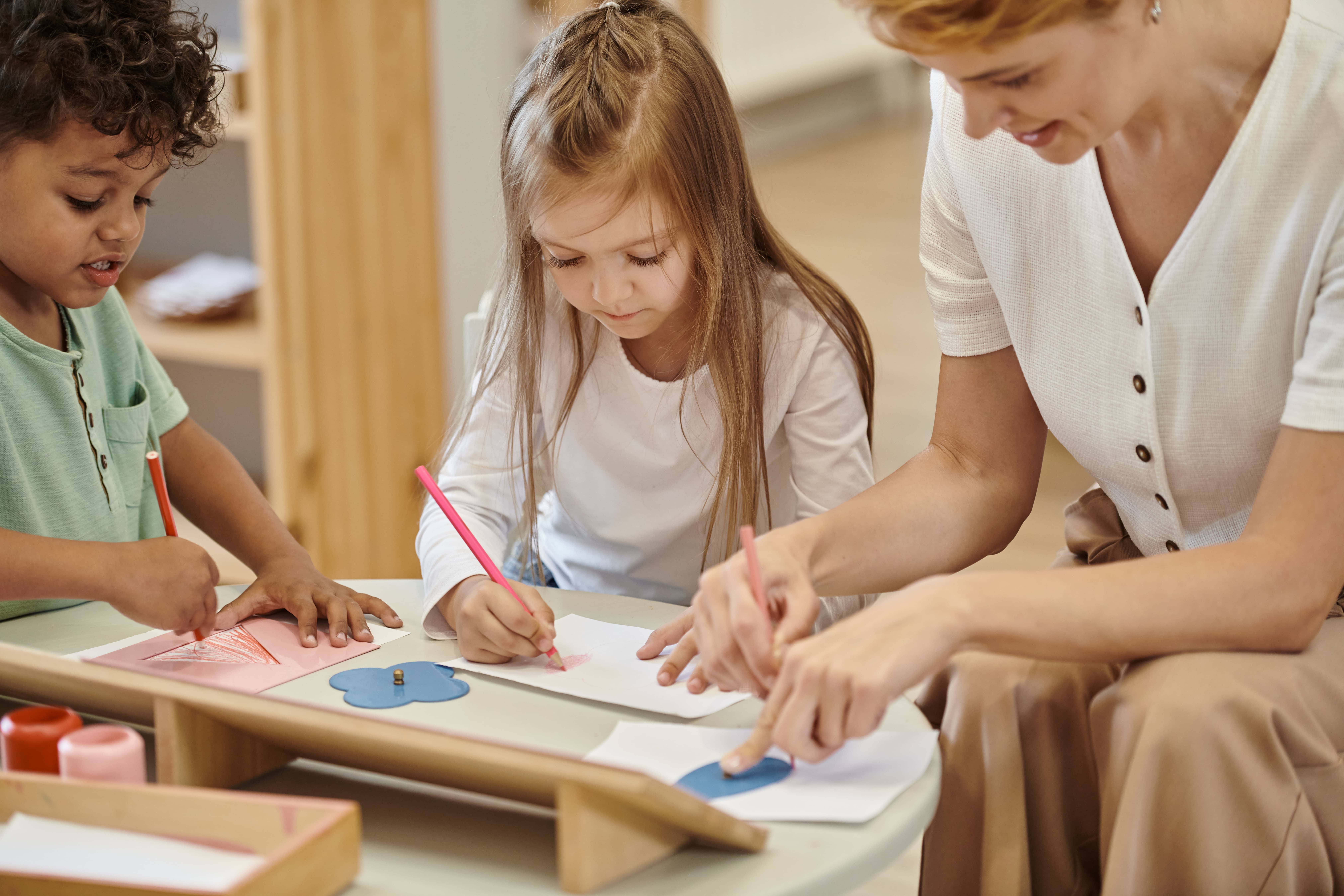
During the first few years of life, a child’s brain undergoes rapid development. Neural connections form at an incredible pace, influenced by interactions, experiences, and environments. Early childhood education nurtures this growth by providing structured opportunities to explore, discover, and engage with the world.
- Cognitive Development: Activities like puzzles, storytelling, and play-based learning stimulate memory, reasoning, and creativity.
- Language Skills: Exposure to words, songs, and conversations enhances vocabulary and communication.
- Emotional Growth: Safe and nurturing environments build confidence and self-esteem.
Building Social and Emotional Skills
Education at this stage is not only academic—it’s deeply social. Children learn how to work with others, express emotions, and build healthy relationships.
- Collaboration: Group activities teach sharing, patience, and cooperation.
- Empathy: Interacting with peers builds compassion and respect for differences.
- Problem-Solving: Play scenarios help children develop resilience and adaptability.
These soft skills are just as critical as academic skills in preparing for future challenges.