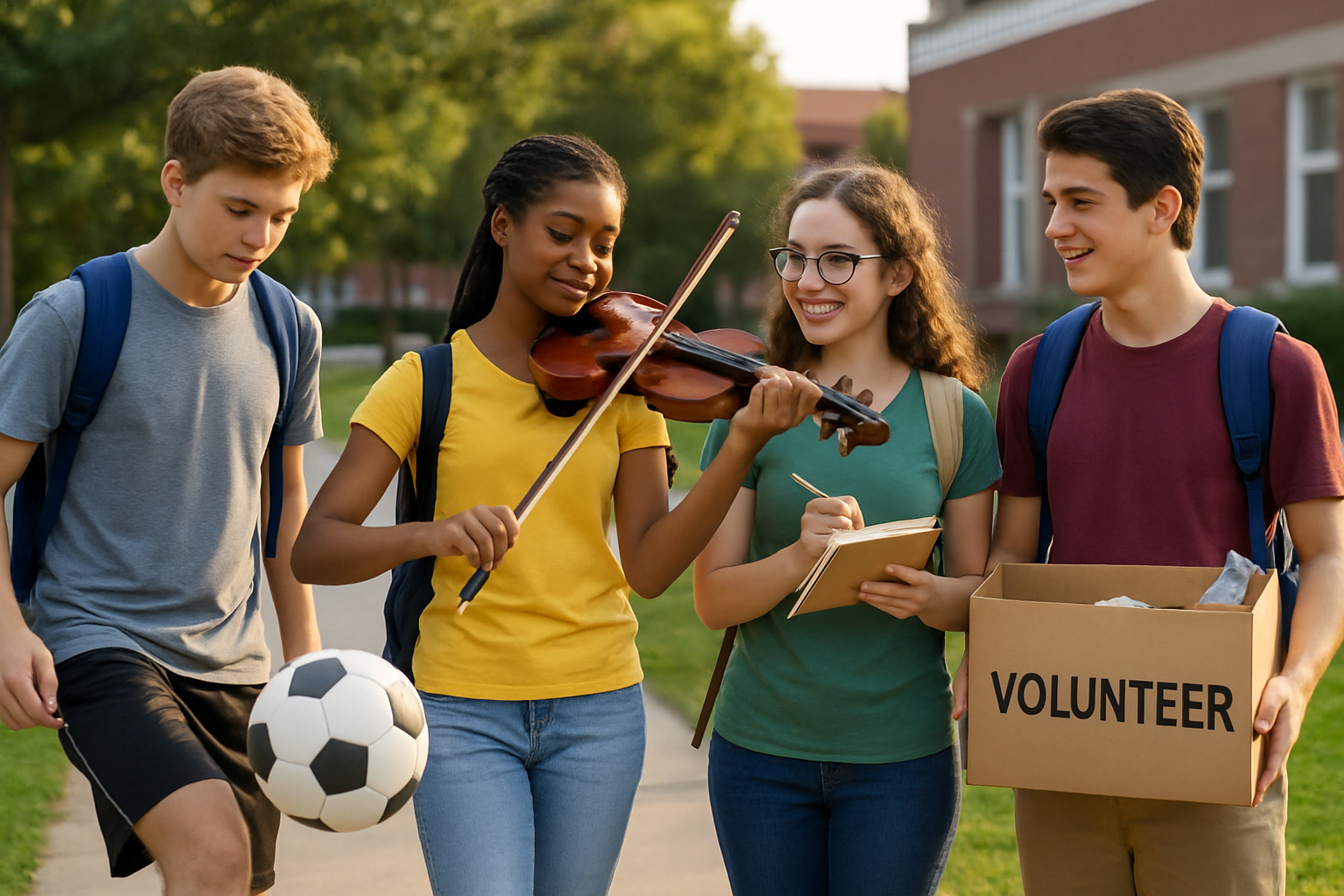
Education goes beyond textbooks and classrooms. While academic success is important, extracurricular activities play a crucial role in shaping well-rounded students. From sports and arts to volunteering and clubs, these activities provide opportunities for personal growth that traditional academics alone cannot offer.
1. Developing Essential Life Skills
Extracurriculars teach time management, teamwork, leadership, and problem-solving. Students who juggle schoolwork with activities learn how to prioritize, set goals, and manage responsibilities—skills they will carry into adulthood.
2. Boosting Confidence and Self-Esteem
Whether performing on stage, winning a match, or completing a project, extracurriculars give students chances to succeed outside academics. These achievements build confidence and a sense of accomplishment.
3. Encouraging Social Connections
Clubs, teams, and volunteer groups allow students to meet peers with similar interests. These friendships foster a sense of belonging and help students develop strong communication and collaboration skills.
4. Supporting Physical and Mental Health
Sports and physical activities promote fitness and stress relief, while creative outlets like art or music support emotional expression. Together, they contribute to a healthier lifestyle and improved mental well-being.
5. Building a Stronger Academic Profile
Colleges and employers often look for well-rounded candidates. Participation in extracurriculars demonstrates initiative, commitment, and diverse interests—qualities that make students stand out.
6. Fostering Passion and Purpose
Extracurricular activities help students discover interests and talents they may not uncover in a classroom. These experiences often inspire future career paths and personal passions.
Final Thoughts
Extracurricular activities are more than “extras”—they are essential to holistic development. They empower students to grow academically, socially, and emotionally, preparing them for both personal success and future opportunities. By embracing extracurriculars, schools and families help nurture well-rounded individuals ready to thrive in all areas of life.