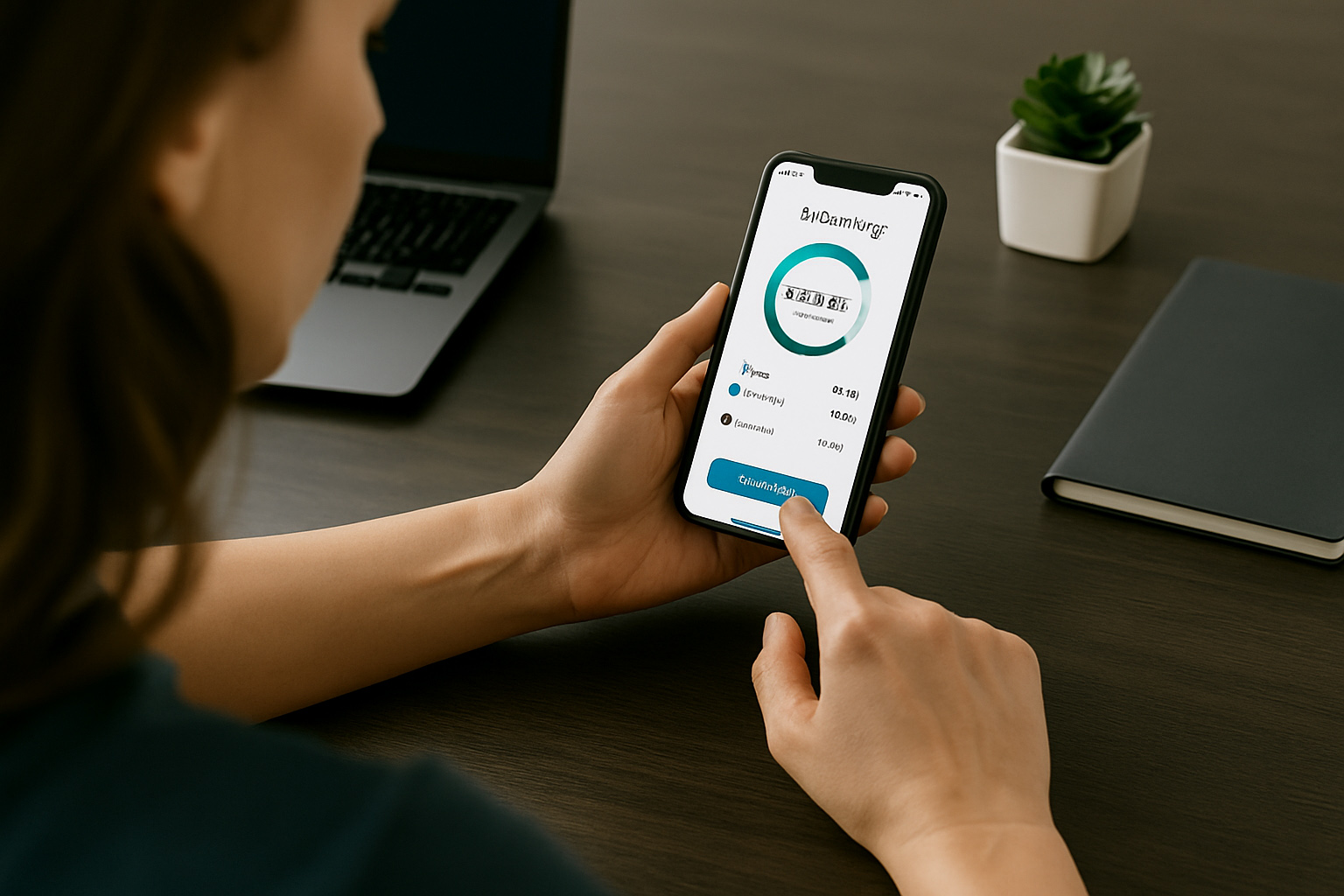
Managing spending has become harder in a world filled with one-click purchases, instant deliveries, and digital subscriptions that are silently renewed. AI-powered spending limit apps are reshaping the way people interact with their money by preventing overspending before it happens—not after the fact. These tools provide real-time protection, turn budgeting into a dynamic system, and help users build healthier long-term financial habits. With predictive intelligence and personalized alerts, these apps act like a smart financial safety net.
The Rise of Predictive Overspending Prevention
AI-driven spending apps are built on models that analyze your behavior, not just your transactions. They detect habits, timing patterns, emotional spending triggers, and category spikes long before you cross your limit. Instead of a generic alert, the AI can freeze non-essential spending, redirect upcoming payments, or advise on safer alternatives. This proactive control helps users avoid impulse purchases and unnecessary debt.
How AI Adapts to Your Personal Lifestyle
Traditional budgeting tools only record what has already happened. But AI-powered apps use your lifestyle patterns—like weekend splurges, subscription cycles, and seasonal expenses—to predict upcoming overspending risks. They can adjust spending thresholds, move funds between categories, or temporarily restrict high-risk transactions. This adaptability creates a financial strategy that evolves with you, rather than forcing you to fit into rigid rules.
Real-Time Action: The New Standard for Money Management
The biggest advantage of these systems is real-time intervention. Instead of getting notified after you’ve overspent, the AI can pause checkout screens, prevent card swipes, or suggest cheaper alternatives the moment you’re about to exceed your budget. These instant safeguards reduce emotional spending and help users stick to their financial goals without feeling restricted.
Building Long-Term Financial Strength
Over time, AI spending limits improve financial discipline by teaching users about their own habits. Insights reveal hidden spending triggers, encouraging healthier money decisions. With better control, fewer impulse purchases, and more intentional spending, users build stronger credit profiles, reduce debt faster, and save more consistently.
Conclusion
AI-powered spending limit tools offer a smarter, more intuitive way to manage money. By predicting overspending and blocking it in real time, they help people maintain control without stress or constant tracking. This blend of automation and personalization makes budgeting easier, clearer, and more effectively helps users stay aligned with their long-term financial goals.
Related Articles



Recent Posts

Designing Compact Choice Menus to Foster Student Decision-Making
Teaching Students to Sequence Tasks for Deeper Engagement
Practical Classroom Methods for Teaching Strategic Study Prioritization
Translate Everyday Work into Clear Professional Evidence
A Practical Process for Building Portable Career Proofs


