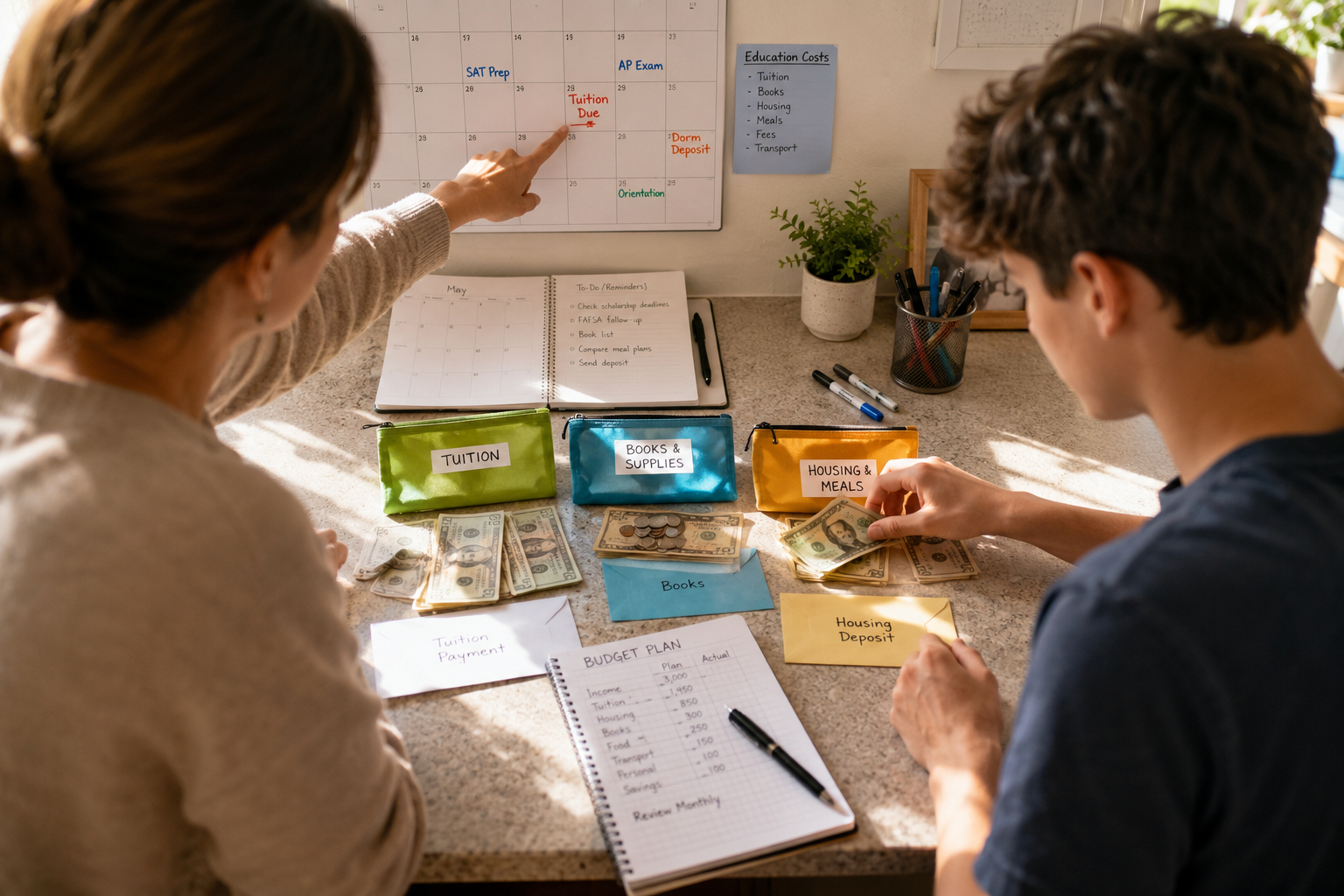
Balancing education expenses with household cash flow requires a clear view of priorities and realistic planning. Families and individuals face a mix of predictable tuition, periodic supplies, and occasional unexpected fees that can disrupt budgets. Establishing a simple framework helps smooth spending and reduces stress when costs spike. This article outlines actionable steps to align learning goals with everyday finances.
Assessing Your Education Commitments
Start by listing all current and anticipated education-related costs, separating fixed annual payments from variable and one-off expenditures. Include tuition, materials, exam fees, transportation, and technology, and note timing for each expense across months and years. Understanding when payments fall makes it possible to smooth cash flow rather than reacting in crisis. This baseline informs realistic contributions and reveals opportunities to shift or postpone nonessential items.
Reviewing commitments regularly ensures projections remain accurate as needs change. Revisit the list before each new school term or program to capture shifts in scope or cost.
Building Flexible Budget Buckets
Create designated budget buckets that match the cadence of expenses: an ongoing savings bucket for predictable costs, a short-term buffer for upcoming terms, and an emergency bucket for unexpected needs. Allocate a set portion of monthly income to each bucket, then automate transfers when possible to enforce discipline. This approach reduces the need to reallocate funds from other priorities at short notice and keeps goals transparent for all household members. Use modest, achievable targets so the plan remains sustainable even when income fluctuates.
- Ongoing savings: subscriptions, regular fees, and predictable supplies.
- Buffer fund: upcoming tuition installments or seasonal expenses.
Keeping buckets separate helps track progress and prevents short-term pressures from depleting long-term education goals. Adjust contributions as cash flow permits.
Managing Irregular and Unexpected Costs
Irregular costs are the greatest threat to a steady education budget, so plan for them explicitly rather than hoping they won’t occur. Build a modest contingency that equals a few months of typical education outlay and prioritize replenishing it after any drawdown. Explore flexible payment plans or staged purchasing for large items to spread impact, and communicate with providers when cash flow is tight to negotiate timing. Tracking small recurring expenditures can also reveal small savings that free up funds for larger needs.
Proactive communication and a visible contingency reduce scramble decisions and preserve learning continuity when surprises arise. Regular evaluation keeps contingency levels aligned with real risk.
Conclusion
Balancing learning costs with household cash flow is achievable by assessing commitments, creating flexible budget buckets, and preparing for irregular expenses. Consistent review and modest automation turn planning into habit and reduce stress when demands shift. Small, sustainable adjustments produce steadier funding and clearer paths to education goals.