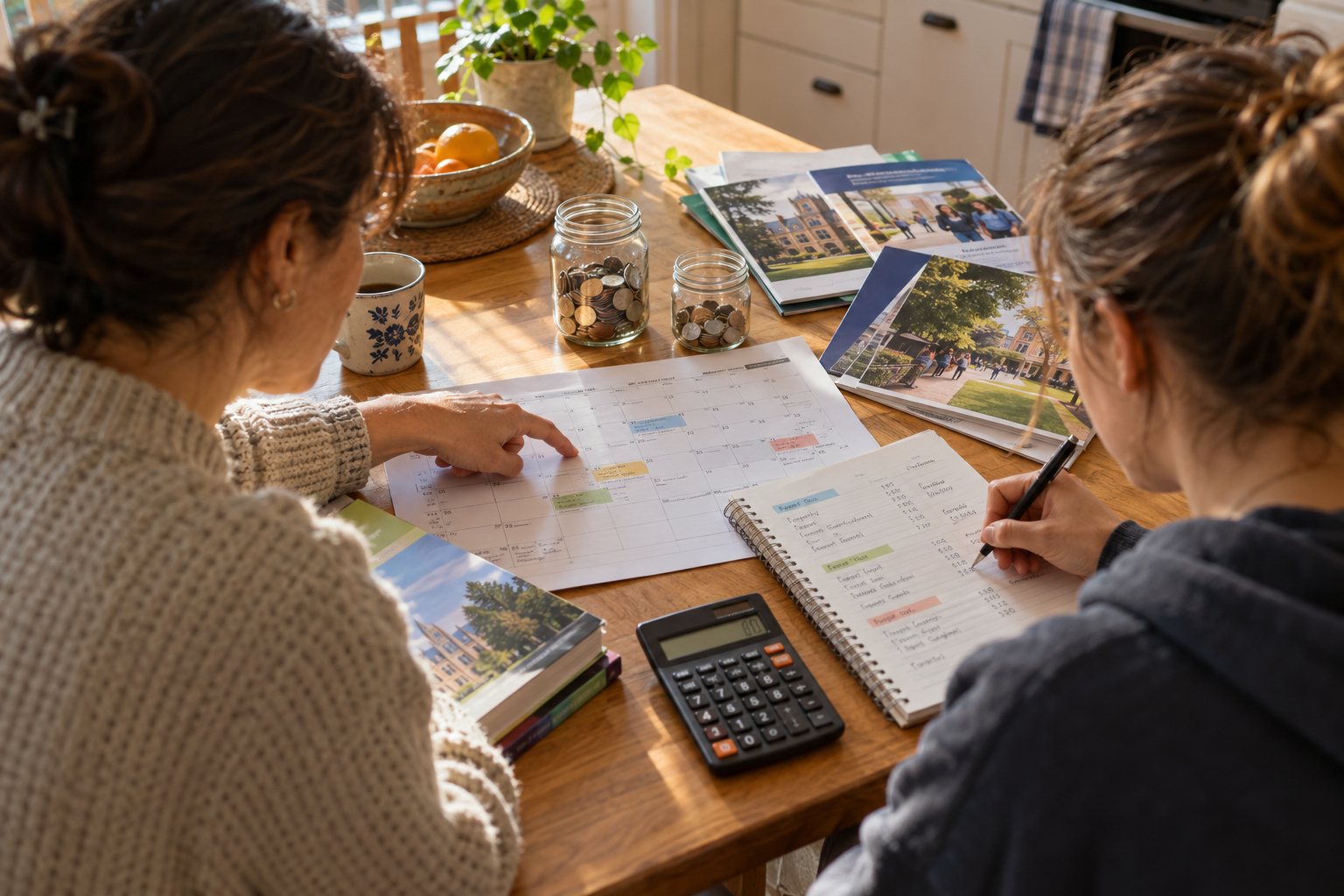
Managing education expenses requires realistic planning and a clear understanding of priorities. Start by mapping anticipated costs across different phases of learning and skill development. Consider both direct fees and related expenses like materials, technology, and incidental costs. A proactive approach reduces last-minute borrowing and helps preserve other financial goals.
Developing a structured plan makes decisions easier and supports long-term learning objectives. This article outlines steps to assess costs, prioritize spending, save thoughtfully, and adjust as circumstances change.
Assess Education Costs
Begin by listing all expected expenses for each educational path or program under consideration. Include tuition, required materials, travel, exam fees, and potential opportunity costs such as reduced work hours. Research multiple providers and formats to compare real total costs rather than advertised prices alone.
Gathering accurate estimates clarifies trade-offs and reveals where modest changes can lead to meaningful savings. A reliable cost baseline is the foundation of any effective spending plan.
Prioritize and Phase Expenses
Not every learning need must be funded immediately; prioritize essentials and phase others over time. Identify core competencies that unlock future opportunities and allocate funds accordingly. Consider sequencing certifications or courses so that each step builds value before committing to the next.
Phasing expenses reduces financial strain and allows you to test whether a program delivers the expected return. Prioritization keeps spending focused on high-impact learning.
Practical Cost-Saving Strategies
Explore scholarships, employer tuition assistance, community programs, and subsidized resources to lower out-of-pocket costs. Use open educational resources and library access for supplemental learning rather than paid materials when feasible. Negotiate payment plans or early payment discounts with institutions to ease cash flow.
Combining multiple small savings tactics can significantly reduce the total price of education. Be deliberate about where to economize without sacrificing essential quality.
Track Spending and Adjust
Create a simple tracking system to monitor actual payments against your budget and projected outcomes. Review progress regularly to decide whether to accelerate, pause, or change courses based on results and changing priorities. Maintain a contingency fund to handle unexpected costs or opportunities.
Ongoing monitoring ensures your plan remains aligned with goals and financial realities. Adjusting early prevents larger shortfalls and preserves flexibility.
Conclusion
Designing a practical plan for education spending is an iterative process that balances goals and resources. Prioritize essential learning, use targeted savings, and review outcomes regularly to stay on track. With disciplined planning, education can be pursued affordably and sustainably.