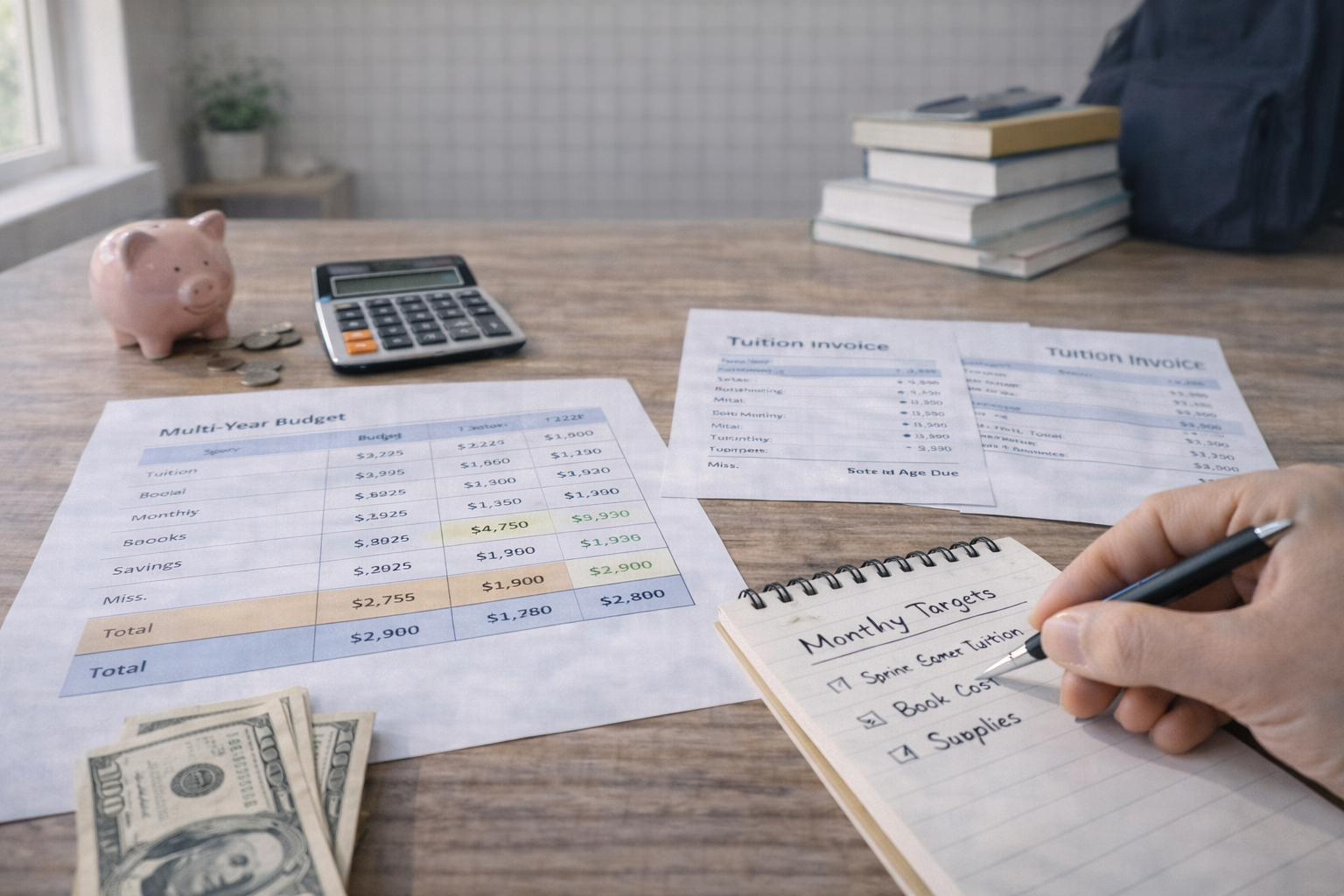
Planning education expenses is an ongoing process that requires clear priorities, realistic projections, and regular review. Start by taking stock of current costs and estimating future needs based on the trajectory of learning goals and potential program changes. Include both direct expenses such as tuition and books and indirect costs like travel, technology, and living expenses. A structured, adaptable plan reduces stress and keeps financial choices aligned with educational objectives.
Assessing Current and Future Costs
Begin by documenting immediate annual expenses and then extend projections across several years to capture long-term requirements. Consider how program changes, inflation, and potential additional certifications or courses could alter those estimates, and build a modest contingency into each forecast. Use simple spreadsheets or budgeting tools to compare scenarios such as part-time study versus full-time enrollment. This assessment creates a baseline for prioritization and informs realistic savings targets.
- List one-time and recurring costs separately to avoid underestimating total need.
- Update projections annually to reflect actual spending and changing plans.
With accurate figures you can make informed decisions about timing, borrowing, and other funding choices. Regular reassessment keeps the plan responsive to evolving circumstances.
Prioritizing and Phasing Education Spending
Not all education expenses are equally urgent; prioritizing helps allocate limited resources where they have the greatest impact. Identify essential milestones—core courses, required certifications, and unavoidable fees—and distinguish them from elective or enrichment expenditures. Phasing spending across stages can smooth cash flow and reduce the need for high-interest borrowing. When possible, align major expenses with predictable income periods or savings milestones.
- Prioritize foundational education before elective upgrades.
- Delay discretionary spending until emergency funds and core goals are secured.
Clear priorities make trade-offs easier and support steadier progress toward long-term objectives. Phased approaches minimize disruption and keep momentum.
Funding Options and Flexible Strategies
A mix of funding sources often provides the best balance between cost and flexibility, including savings, scholarships, employer assistance, and low-cost loans. Evaluate each source for availability, conditions, and long-term impact on finances, such as repayment terms and tax implications. Consider cost-saving strategies like open educational resources, used textbooks, and part-time study to reduce short-term burdens. Flexibility—both in timing and in funding mix—helps absorb unexpected changes without derailing plans.
- Seek scholarships and grants before considering loans.
- Explore employer tuition support and community-based funding opportunities.
Combining conservative estimates with diverse funding reduces reliance on any single source. Flexible strategies foster resilience against surprises.
Conclusion
Building a sustainable education expense plan depends on realistic projections, clear priorities, and flexible funding choices. Regular review and adjustment ensure the plan remains aligned with changing goals and circumstances. With a structured approach, pursuing educational objectives can be financially manageable and strategically paced.