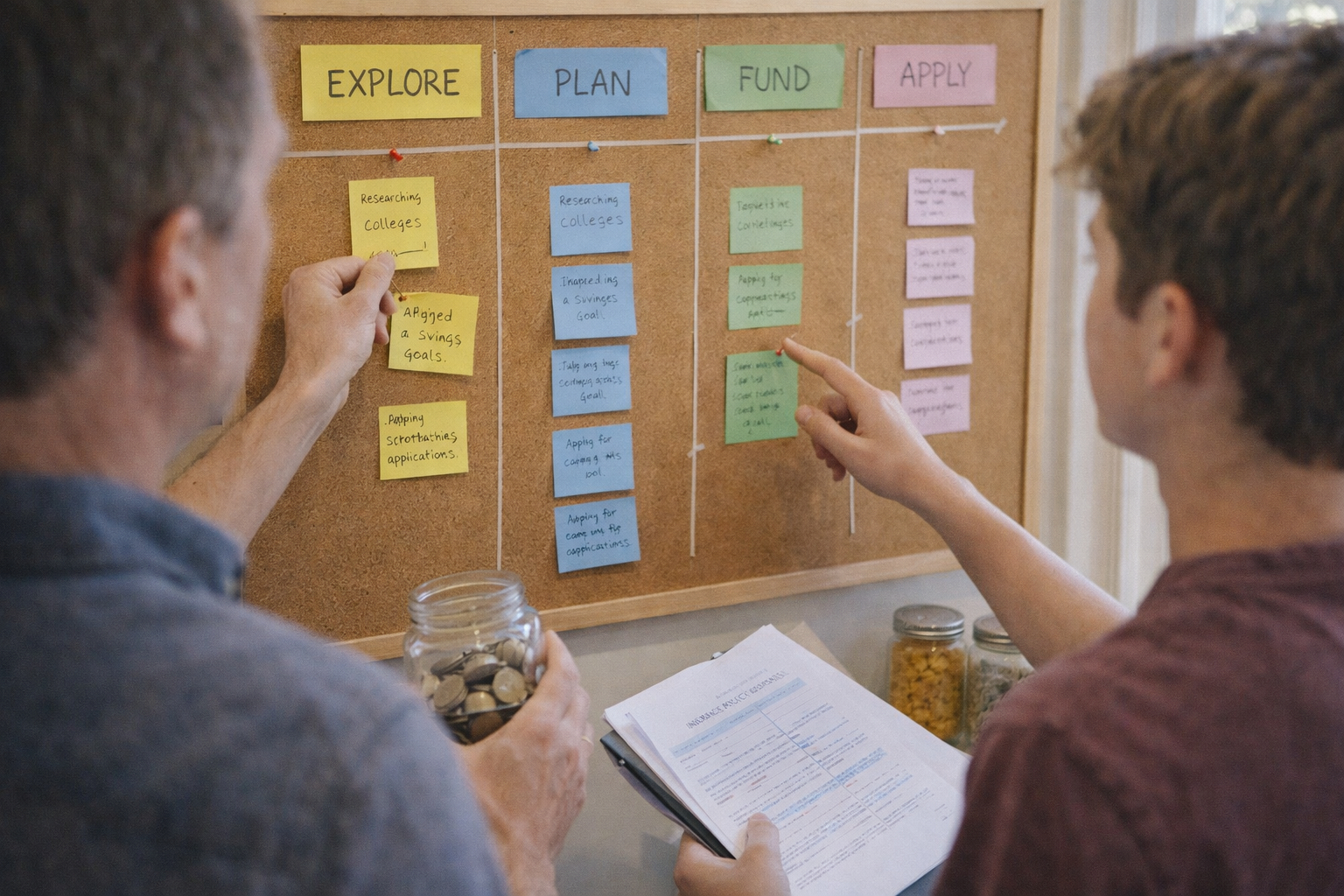
Education expenses are a recurring challenge for many households and institutions, and a structured plan helps reduce uncertainty. This four-phase approach breaks the process into clear steps that align priorities with available resources. By working through assessment, budgeting, funding, and review, families and planners can create resilient strategies. The goal is to make costs predictable and adaptable as needs change.
Phase 1: Clarify Needs and Timelines
Begin by listing education objectives and mapping them to realistic timelines, including tuition, materials, extracurriculars, and potential short-term costs for transitions. Estimating the timing and magnitude of each expense creates a factual foundation for planning and helps avoid surprises. Use conservative estimates and include contingency margins where costs are uncertain or likely to rise. This clarity makes subsequent budgeting and funding choices far more effective.
Summarize priorities after this assessment so decision-makers share a consistent view of next steps. A clear inventory of needs also helps identify which costs can be delayed, reduced, or phased.
Phase 2: Prioritize Spending and Build a Budget
With needs defined, rank expenses by importance and flexibility, then allocate resources accordingly in a multi-year budget that reflects changing priorities. Consider fixed commitments separately from discretionary costs and capture the impact of inflation and fee increases. Establish short-term and long-term buckets to maintain liquidity for urgent items while growing funds for major milestones. A rolling budget reviewed annually keeps the plan aligned with evolving goals and incomes.
Document assumptions and track deviations against the budget so adjustments are grounded in evidence. Clear prioritization prevents small expenses from undermining larger objectives.
Phase 3: Create Flexible Funding Options
Combine savings, scholarships, work-based support, and modest borrowing if necessary to spread cost burdens without compromising flexibility. Diversifying funding sources reduces single-point risk and allows adjustments when circumstances change. Introduce automatic savings mechanisms and consider contingency reserves for unexpected fees or schedule changes. Look for opportunities to reduce costs through in-kind support, shared resources, or phased enrollment.
Flexibility in funding ensures the strategy remains workable even if incomes or needs shift. Rebalancing funding sources periodically keeps the plan resilient.
Phase 4: Track Progress and Adjust Regularly
Set measurable checkpoints tied to the budget and timelines, and review them at least annually or after major life changes; use these reviews to reforecast costs and reallocate resources. Monitoring actual spend against projections highlights trends early and enables corrective action before small gaps become large problems. Engage all stakeholders in periodic reviews so priorities and constraints remain transparent. Continuous tracking turns a static plan into a living tool that supports informed choices.
Use simple dashboards or spreadsheets to make monitoring manageable and consistent. Regular adjustments keep the plan realistic and focused on long-term objectives.
Conclusion
Applying a four-phase method — assess, budget, fund, and review — makes education costs more manageable and predictable. Regular checkpoints and diversified funding preserve flexibility while keeping goals on track. With disciplined planning, families and institutions can meet learning objectives without undue financial strain.