Education costs can shift rapidly, and families and institutions need practical ways to respond. A clear approach to identifying priorities and building flexible plans helps maintain access while controlling spending. This article outlines methods to assess expenses, adopt cost-saving strategies, and design a budget that adapts to change. The guidance focuses on preserving learning quality while improving financial predictability.
Assessing Current and Future Costs
Begin by mapping current expenses across tuition, materials, fees, and indirect costs such as transportation or childcare. Project likely future changes by considering inflation, program length, and potential credentialing requirements to anticipate evolving needs. Gather quotes, historical spending, and timelines to create realistic cost scenarios that reflect both short- and long-term commitments. Involving stakeholders in this assessment ensures the plan reflects actual needs and trade-offs while building buy-in.
This baseline makes it easier to spot inefficiencies and opportunities for savings. Update the assessment annually or whenever program scope changes to keep projections accurate and actionable.
Cost-Saving Strategies That Preserve Quality
Prioritize investments that directly support learning outcomes, such as effective instructors, targeted support services, and high-impact resources that demonstrably improve retention and completion. Look for modular options like microcredentials, competency-based pathways, or credit transfers to shorten time to credential and reduce total cost for learners. Negotiate bundled services or group discounts, and evaluate open educational resources to replace expensive textbooks without sacrificing curricular integrity. Maintain quality by piloting changes before full rollout and tracking outcome indicators to ensure effectiveness.
Small process improvements, like streamlined registration or expanded digital resources, often yield disproportionate savings. Pair cost reductions with measures that monitor learning to avoid negative impacts and preserve reputation.
Building a Flexible Education Budget
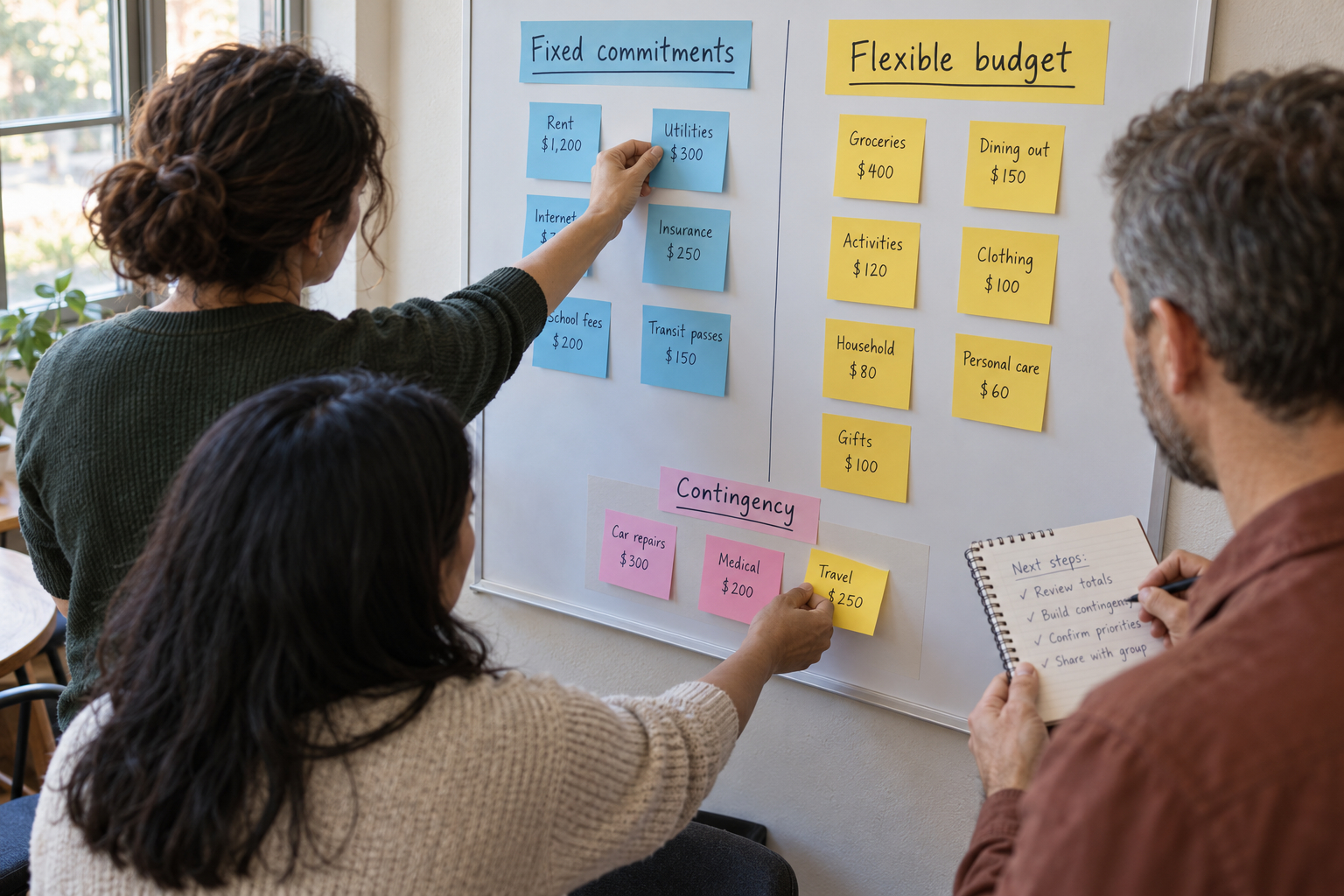
Design a budget that separates fixed commitments from flexible buckets allocated for electives, support services, or unexpected needs. Include contingency funds sized to cover likely variability and tie reserves to specific triggers like enrollment drops or funding shifts. Use short-term reforecasting and quarterly reviews to adjust allocations without derailing long-term goals, and set clear thresholds for reallocations. Encourage a culture where program managers can reallocate modest sums to address emergent priorities while adhering to overall strategy.
Flexible budgeting improves resilience and reduces the temptation for abrupt, quality-damaging cuts. Clear rules for reallocations keep decisions transparent and aligned with priorities and outcomes.
Tracking and Evaluating Impact
Establish measurable indicators such as completion rates, time-to-credential, employment outcomes, and learner satisfaction to assess whether cost changes affect results. Use data dashboards and periodic reviews to spot trends and correlate interventions with outcomes, making adjustments based on evidence. Solicit qualitative feedback from learners and staff to catch issues that metrics miss and to surface improvement ideas grounded in experience. Combine quantitative and qualitative evidence when deciding to scale, pause, or reverse cost-saving measures to balance fiscal restraint with educational impact.
Regular evaluation keeps spending decisions evidence-based and defensible. Transparent reporting builds trust with stakeholders and supports continuous improvement over time.
Conclusion
A practical approach to education expenses begins with realistic assessments and continues through prioritized investments and flexible budgets. Emphasizing quality-preserving savings and regular reviews keeps learning outcomes central. Consistent monitoring and stakeholder involvement make plans sustainable over time.