Managing education expenses when household income fluctuates requires a deliberate, adaptable approach. Start by mapping typical costs and recognizing which items are fixed versus flexible. Understanding cash flow patterns helps prioritize spending and avoid short-term decisions that undermine long-term goals. This article outlines practical steps to build a resilient education funding plan around varying income.
Assess income variability
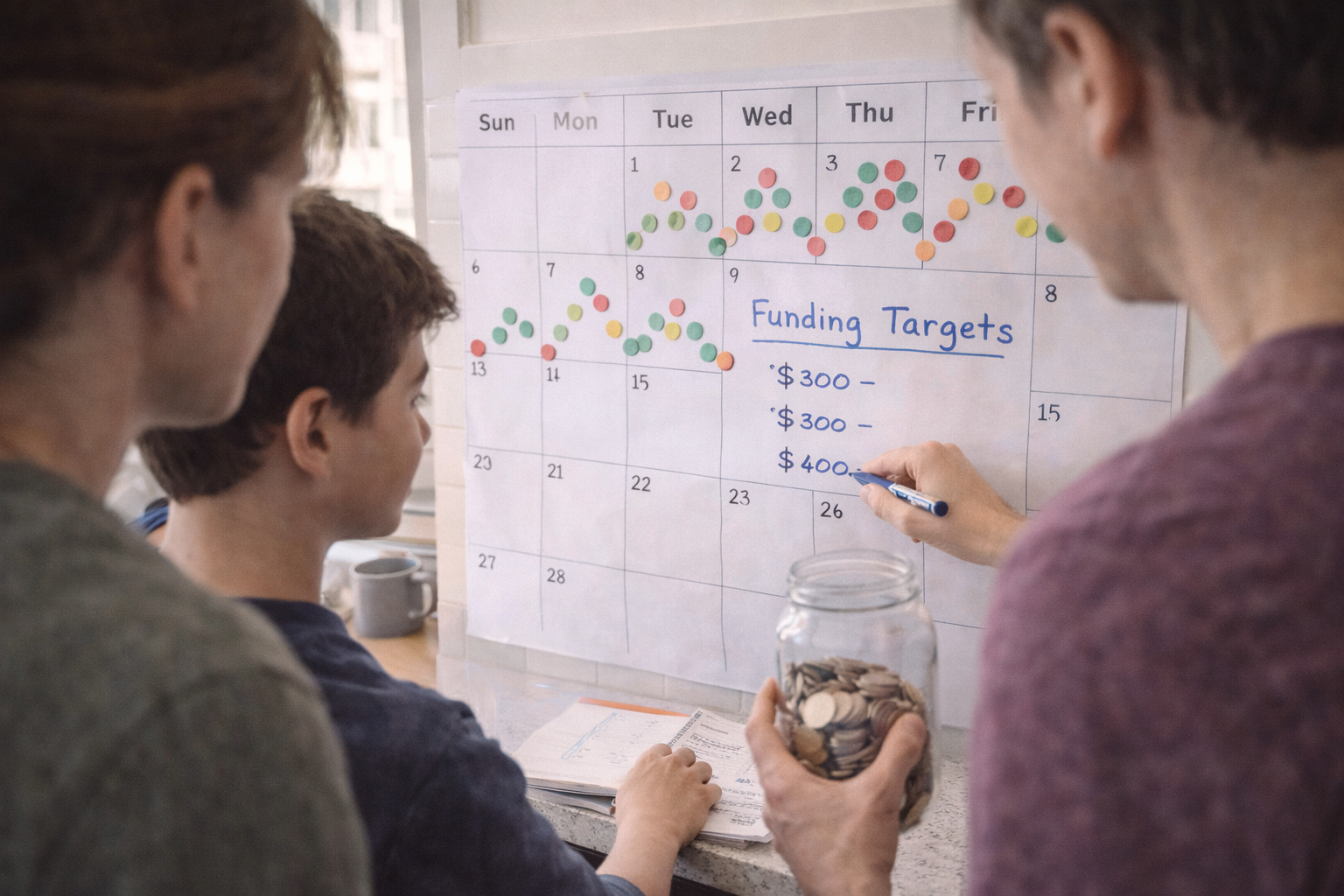
Begin by tracking income over several months to capture seasonal, commission, or freelance swings. Note reliable minimums, common peaks, and months when shortfalls occur so you can build realistic projections. Use these patterns to set conservative funding targets for education-related expenses, avoiding assumptions based on unusually high months. A clear picture of variability reduces surprise and supports better decision making.
Keeping a buffer tied to your lowest realistic income month creates breathing room. This conservative stance prevents cutting essential contributions during lean periods and protects progress toward education goals.
Prioritize milestones and flexible timing
Break education goals into milestones such as annual tuition, materials, and enrichment activities. Assign priorities so essential costs are covered first and discretionary items can move if income dips. Consider flexible timing for non-urgent expenditures — deferring or phasing enrichment can preserve core funding. Communicating priorities with family members helps align expectations during variable income cycles.
Clear milestones make it easier to shift resources without losing sight of long-term objectives. Prioritization reduces stress when adjustments are necessary.
Choose adaptable savings and financing tools
Select vehicles that let you adjust contributions according to cash flow, such as high-yield savings accounts, automatic transfers, or short-term investment accounts with low withdrawal penalties. Avoid locking funds in rigid products that impose costs for early access when variability is expected. For larger gaps, evaluate flexible financing options with clear terms, and use them sparingly as part of an overall plan. Balance growth potential with liquidity needs to maintain access when income falls.
Automation helps maintain discipline during strong months while allowing pauses when needed. Opt for accounts that preserve both accessibility and modest returns.
Plan for contingencies and review regularly
Build a contingency reserve sized to cover several months of education expenditures, informed by your income variability analysis. Schedule quarterly reviews to adjust contributions, priorities, and tools based on recent cash flow and upcoming expenses. Involving partners or guardians in reviews improves coordination and responsiveness. Regular reassessment ensures the plan stays aligned with evolving circumstances.
Small, consistent reviews prevent small issues from becoming crises and make the plan resilient. A living plan adapts as income stabilizes or shifts direction.
Conclusion
Designing education funding with income variability in mind reduces stress and preserves long-term goals. Prioritize essential costs, choose flexible tools, and maintain a contingency buffer. Regular reviews keep the plan practical and responsive to changing circumstances.