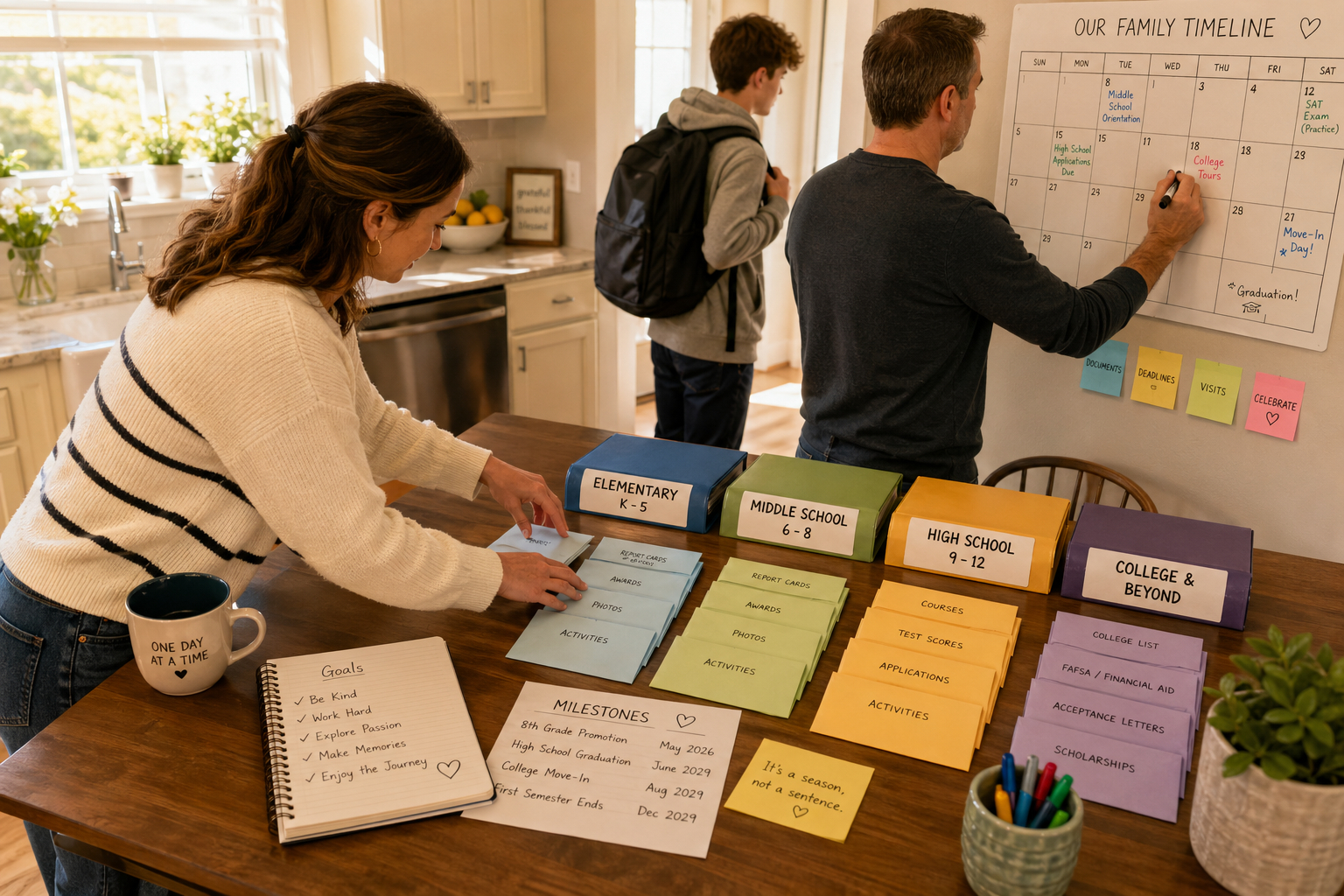
Education costs evolve as learners move through different stages, and a tiered funding plan helps households stay prepared. Establishing clear priorities and realistic timelines reduces uncertainty and keeps funding aligned with goals. A practical plan balances savings, available aid, and flexible spending to handle shifting needs. The right framework supports both predictable milestones and unexpected opportunities without derailing broader finances.
Assessing True Education Costs
Begin by mapping expected expenses across each educational stage, including tuition, fees, supplies, transportation, and extracurriculars. Estimate both core costs and common add-ons so projections reflect realistic outcomes rather than best-case scenarios. Use current vendor prices and historical inflation rates as a guide, and revisit estimates annually to keep them accurate. Building detailed cost categories makes trade-offs easier when priorities or resources change.
- Tuition and mandatory fees
- Materials, technology, and supplies
- Housing, meals, and travel
Having granular categories creates clarity for savings targets and helps households sequence funding according to urgency and impact. It also highlights where scholarships, grants, or community resources can reduce the burden.
Prioritizing Savings and Funding Options
Once costs are mapped, prioritize funding sources by reliability, tax efficiency, and flexibility. Core savings accounts, designated education funds, and tax-advantaged plans often form the backbone of long-term funding. Supplement these with periodic strategies such as targeted scholarships, work-study options, or part-time income during study periods. Combining sources reduces reliance on any single option and preserves flexibility when circumstances shift.
- Designated savings for predictable costs
- Grants and scholarships for targeted reductions
- Short-term credit or income plans for timing gaps
Ranking options by cost and accessibility helps families decide which buckets to draw from first, maintaining liquidity for short-term needs while protecting long-term reserves.
Building Flexibility and Monitoring Progress
Flexibility is essential: allocate a contingency buffer and set periodic review points to adjust contributions and timelines. Automated contributions, milestone reviews, and scenario modeling reduce the risk of falling behind when income or needs change. Regularly communicate expectations within the household to keep priorities aligned and respond quickly to new opportunities or constraints. Monitoring progress also reveals small adjustments that compound over time into significant improvements.
- Quarterly or annual reviews of expenses and savings
- Maintain a modest emergency buffer for unplanned costs
These habits turn an abstract plan into a living strategy, enabling timely course corrections and smarter use of resources.
Conclusion
Creating a tiered, reviewable funding plan helps households manage evolving education costs without sacrificing other goals. Prioritize realistic cost estimates, diversify funding sources, and maintain flexibility through regular monitoring. Small, consistent actions reduce stress and improve outcomes over the long run.