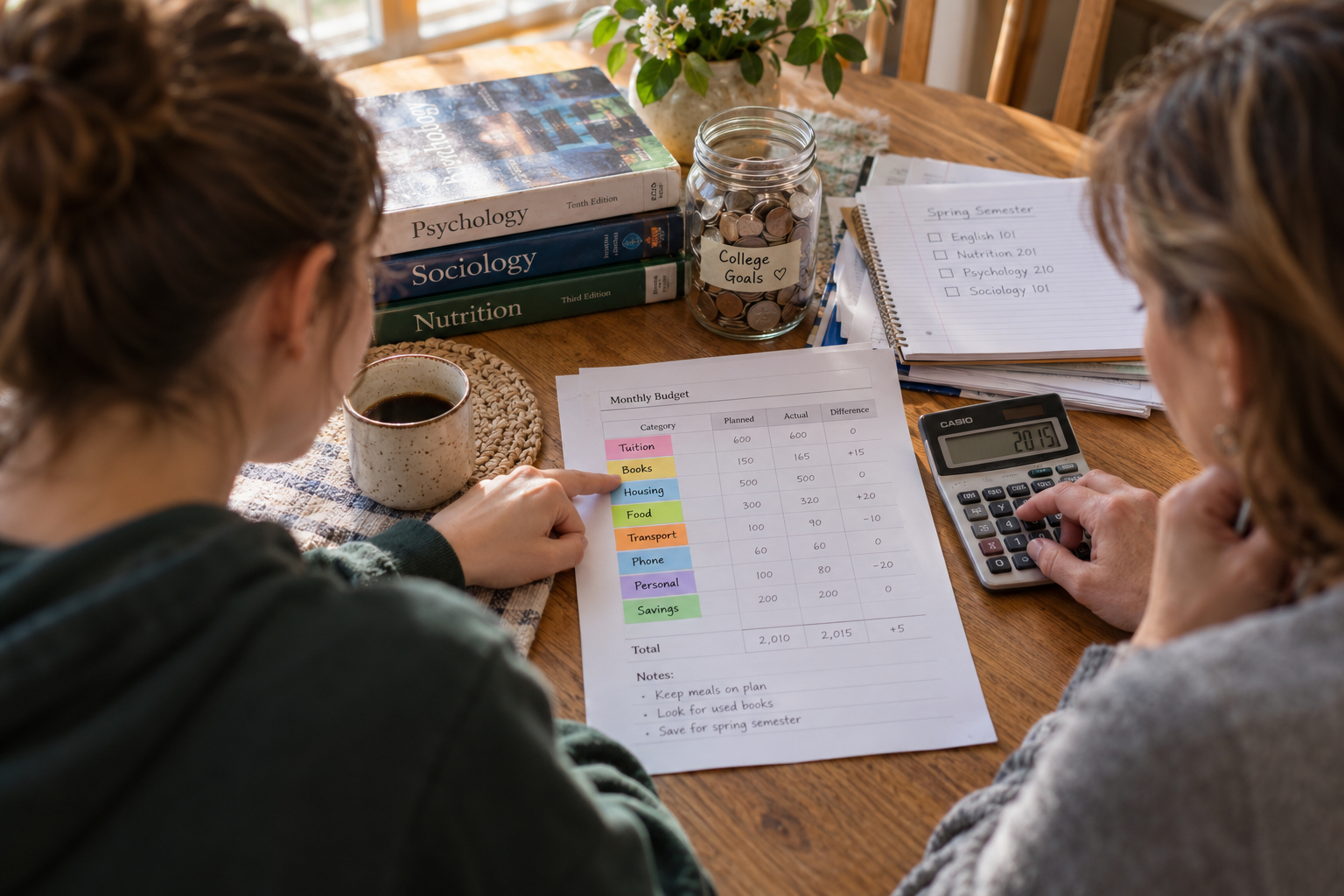
Balancing education expenses requires clear priorities and realistic expectations. A practical budget links goals to actual costs, helping learners and planners avoid surprises and maintain momentum. By breaking down costs into categories and timelines, it becomes easier to evaluate options and make informed trade-offs. This introduction outlines a pragmatic approach to plan, fund, and adjust education spending over time.
Assess total costs and set clear priorities
Begin by estimating the full cost of an education plan, including tuition, materials, travel, and incidental expenses. Consider both direct costs and indirect impacts such as lost income or time commitments, and document assumptions so you can revisit them later. Prioritize components that deliver the most value toward learning objectives or career outcomes, and identify lower-priority items that could be delayed or replaced with lower-cost alternatives. This clarity helps allocate limited resources where they matter most.
Once priorities are defined, convert them into a phased spending plan with milestones. A phased plan makes it easier to measure progress and to stop or pivot if circumstances change.
Create flexible funding strategies
Explore a mix of funding sources to reduce reliance on a single option and to preserve flexibility. Options might include savings earmarked for education, installment plans offered by providers, scholarships or grants, and employer-supported learning benefits. Where borrowing is considered, compare terms and repayment scenarios so that debt remains manageable relative to expected returns. Diversifying funding reduces risk and ensures that temporary setbacks do not derail long-term learning goals.
- Investigate short courses or microcredentials that offer targeted skills at lower cost.
- Look for open educational resources or used materials to trim expenses.
- Negotiate payment terms or seek early-bird discounts when available.
Combining these tactics can significantly lower net costs while maintaining educational impact. Flexibility in funding preserves options as needs evolve.
Monitor spending and adjust regularly
Tracking actual expenses against your budget is essential to maintain control and to spot trends that might require action. Set regular review intervals to compare planned versus actual spending, assess learning progress, and confirm that priorities remain aligned with goals. When deviations occur, identify whether they are one-time variances or indicators of a larger issue, and decide whether to reallocate funds, extend timelines, or seek additional support. Consistent monitoring keeps the plan realistic and responsive.
Use simple tools like spreadsheets or budgeting apps to record expenses and progress. Regular adjustments based on data help protect both finances and learning outcomes.
Conclusion
Effective education budgeting combines clear priorities, diversified funding, and ongoing monitoring. A phased, flexible approach reduces risk and preserves learning quality even when resources are constrained. Regular reviews ensure the plan adapts to changing needs without losing sight of core goals.