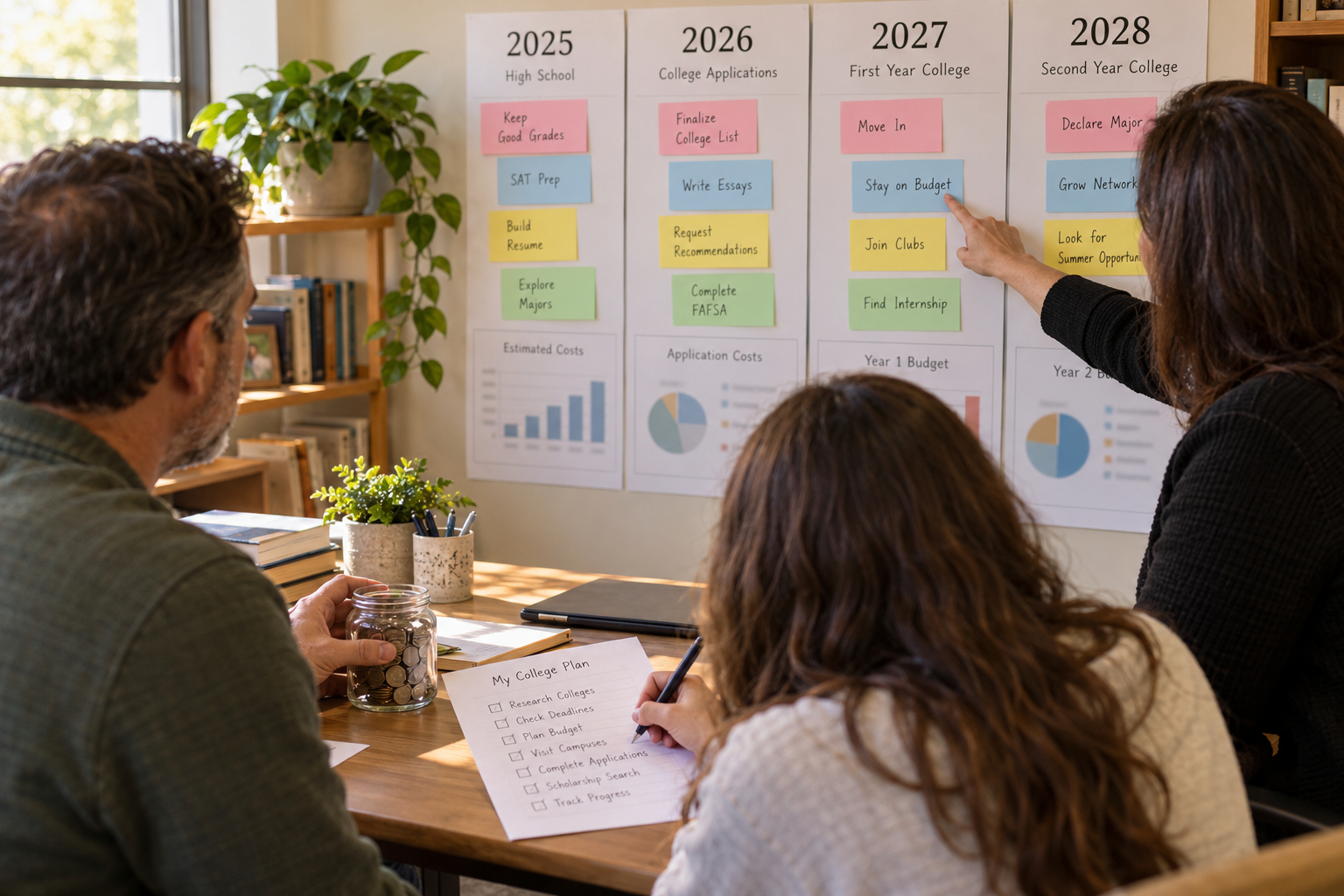
Rising education costs make planning difficult for families, students, and institutions alike. A predictable spending framework helps align resources with learning goals and reduces last-minute trade-offs. This article outlines practical steps to estimate costs, build multi-year plans, and preserve educational quality while controlling expenditures. Use these approaches to create a resilient budget that adapts as needs and prices change.
Assessing True Education Costs
Start by mapping direct and indirect expenses related to education, including tuition, materials, transportation, and opportunity costs. Include irregular items such as exam fees, technology upgrades, and professional development that can spike in certain years. Quantifying both fixed and variable costs gives a clearer baseline for future planning and helps prevent unexpected shortfalls. Accurate assessment anchors realistic budget choices and informs priority decisions.
Once costs are listed, convert them into annual and per-term estimates to compare against available funding. This step makes gaps visible and indicates where adjustments will be needed.
Building a Multi-Year Funding Plan
Create a plan that spans multiple years and accounts for inflation, program changes, and anticipated life events. Allocate funds across short-term savings, recurring income, and contingency reserves to smooth spending over time. Consider financing timelines aligned with program milestones, such as internships or capstone projects, so funds are available when required. A multi-year view reduces pressure to rely on emergency borrowing and supports steady progress.
Set clear milestones and review points so the plan remains actionable and measurable.
Cost-Saving Strategies That Preserve Quality
Implement targeted cost-saving tactics that maintain educational outcomes, such as open educational resources, shared services, and phased purchases. Prioritize investments that improve efficiency or learning impact rather than cutting core instructional resources. Negotiate bulk or bundled pricing where possible and consider flexible learning options that reduce rooming or commuting expenses. Thoughtful savings protect program quality while easing financial strain.
Document the impact of each measure to ensure quality is maintained and to inform future decisions.
Monitoring and Adjusting Your Budget
Regular monitoring helps catch variances early and supports timely adjustments to spending or goals. Use simple tracking tools to compare planned versus actual expenses and schedule quarterly reviews to reassess assumptions. Engage stakeholders—students, educators, or family members—in periodic reviews so the plan reflects evolving needs and priorities. Adaptive management turns a static budget into a living tool that responds to change.
Maintain a small contingency buffer and be ready to reallocate funds as priorities shift to preserve momentum toward learning objectives.
Conclusion
Adopting a practical, multi-year framework brings clarity and control to education spending. Regular assessment and targeted savings enable quality learning without undue debt pressure. With monitoring and flexibility, plans remain effective as circumstances evolve.