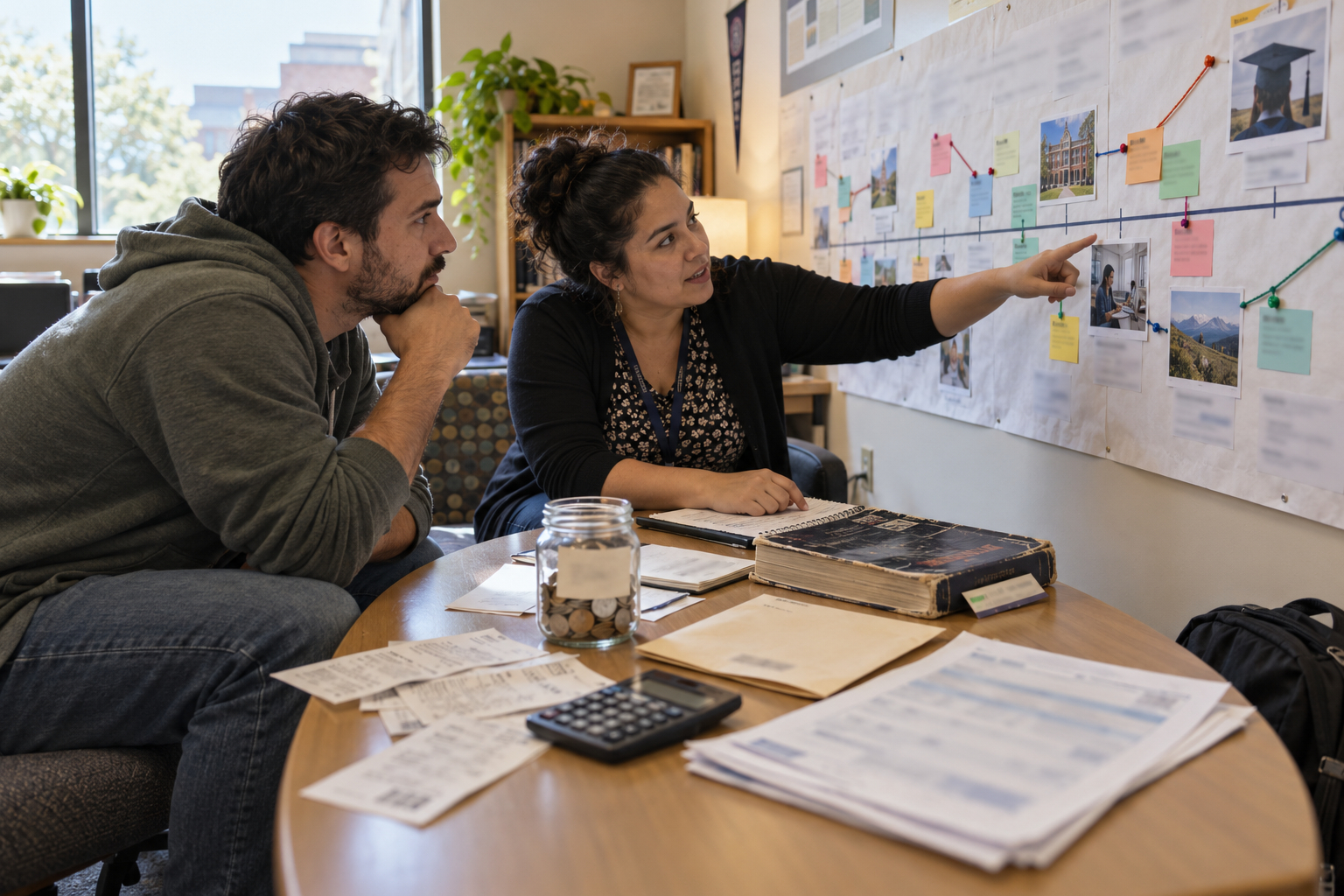
Education costs arrive in waves: enrollment fees, course materials, exam costs, and occasional travel or equipment expenses. Knowing how those expenses cluster over time helps you make choices that lower total spend without sacrificing outcomes. This article outlines practical ways to match spending to learning goals so each dollar contributes to real progress. The aim is to help readers plan for short bursts of spending and longer investments in skills.
Map learning goals to a timeline
Start by listing what you want to learn and when you need it—certifications for a promotion, short courses for a project, or gradual degree progress. Assign a rough timeline and estimate likely costs for each milestone rather than treating all learning as a single lump sum. Breaking costs into near, mid, and long term makes trade-offs clearer and prevents impulse enrollments that don’t align with priorities. This clarity also highlights opportunities to postpone or split payments when appropriate.
With a timeline in place, you can prioritize high-impact expenses and delay lower-value items. That reduces stress and creates space to seek cheaper alternatives or scholarships.
Cut costs without reducing quality
Not every saving move means lower outcomes. Compare required materials against free or lower-cost equivalents, and ask instructors which textbooks or tools are essential. Use library access, secondhand resources, and open educational resources for foundational subjects while reserving paid options for specialized content. Group purchases, shared subscriptions, and employer tuition support can also lower per-person costs without changing the learning experience.
- Audit subscriptions and cancel unused platforms.
- Borrow or rent textbooks and equipment where possible.
- Look for accredited alternatives that meet the same outcomes.
These steps trim recurring expenses and keep spending concentrated where it matters most. Over time, small savings compound into meaningful budget flexibility.
Build flexible funding and saving habits
Create a dedicated learning fund and treat contributions like a regular bill; even modest monthly amounts smooth large annual costs. Pair that with opportunistic funding: employer reimbursement, tax-advantaged accounts when applicable, or targeted scholarships for specific programs. Keep an emergency padding so you can take advantage of last-minute course discounts without derailing your regular budget. Flexibility also means adjusting the plan when career needs or financial circumstances change.
Routine saving plus occasional outside funding reduces reliance on credit and keeps education choices strategic rather than reactive. Over time this approach preserves both learning momentum and financial stability.
Conclusion
Match expenses to specific learning goals, and prioritize spending that drives clear outcomes. Use cheaper resources and steady saving to avoid debt, and lean on reimbursements or scholarships when available. Small, consistent habits make education affordable across different stages of life.