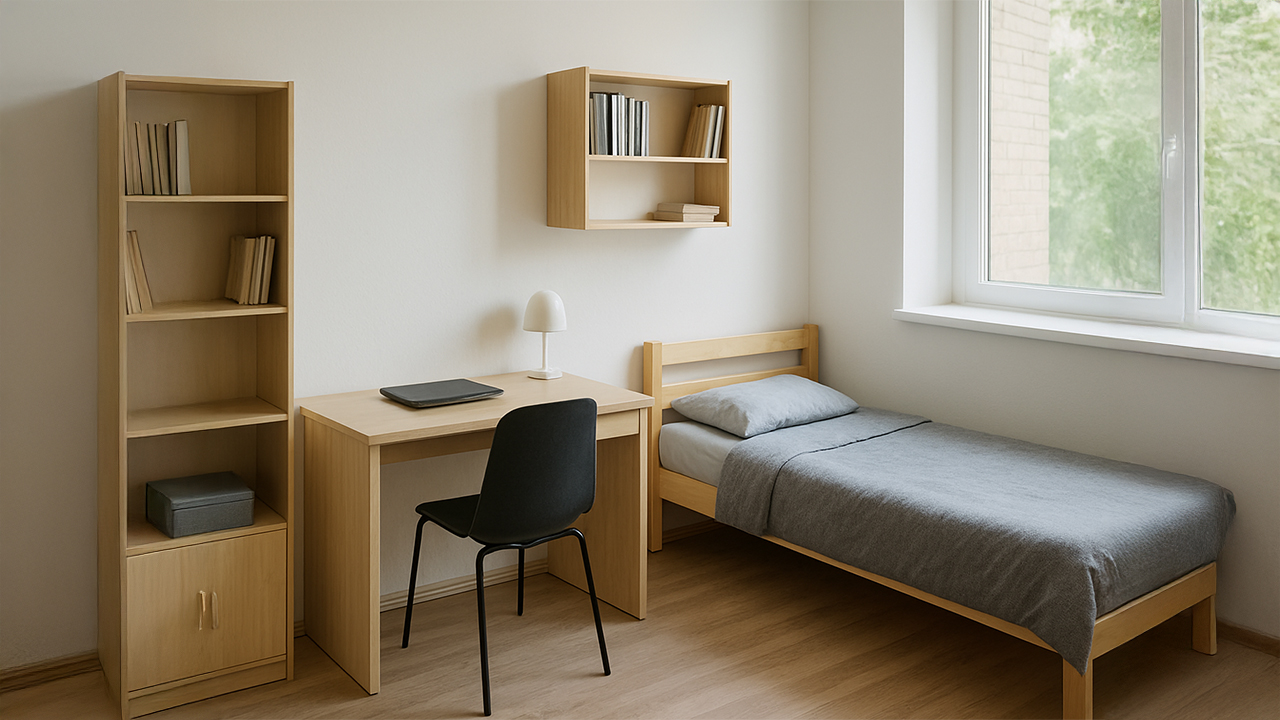
Each academic year, millions of students repeat the same expensive habit—rebuying furniture they already owned just months earlier. This pattern, known as the Furniture Cycle, quietly drains student budgets and inflates education-related living costs far beyond tuition and books.
What feels like a normal part of student life is often an avoidable financial leak.
How the Furniture Cycle Starts
The cycle usually begins with temporary living arrangements. Dorms, short-term leases, and shared apartments discourage long-term ownership. When semesters end, students move out quickly, leaving behind desks, chairs, lamps, shelves, and storage units.
Next year, the process resets—and the purchases repeat.
Why Furniture Gets Treated as Disposable
Furniture is bulky, hard to store, and inconvenient to transport. Faced with time pressure and limited space, students often choose convenience over preservation. Low-cost furniture also feels replaceable, even though repeated purchases add up quickly.
Small costs multiply when repeated annually.
The Hidden Cost Over Time
A chair here, a desk there, a lamp every year—individually inexpensive, collectively significant. Over four years, students may spend hundreds or even thousands rebuying the same functional items.
This money rarely appears in education cost estimates, but it impacts real budgets.
Environmental and Time Costs
Beyond money, the furniture cycle creates waste. Perfectly usable items are discarded, donated last-minute, or abandoned. Time is also lost shopping, assembling, and disposing of furniture becomes an annual ritual.
The cycle costs more than cash alone.
Why the System Reinforces the Cycle
Academic calendars, housing contracts, and resale friction all reinforce short-term thinking. When move-in and move-out dates are rigid, durability becomes less valuable than speed and ease.
The system favors replacement over retention.
How Students Can Break the Cycle
Practical alternatives include shared storage, secondhand furniture swaps, modular pieces, and buy-back groups within campuses. Planning furniture purchases with multi-year use in mind dramatically reduces repeat spending.
Thinking long-term once saves money every year after.
Conclusion
The Furniture Cycle highlights how recurring, overlooked purchases quietly inflate the cost of education. By recognizing furniture as a long-term asset rather than a temporary convenience, students can reclaim money, reduce waste, and break a pattern that repeats far too easily.
Related Articles



Recent Posts

Designing Compact Choice Menus to Foster Student Decision-Making
Teaching Students to Sequence Tasks for Deeper Engagement
Practical Classroom Methods for Teaching Strategic Study Prioritization
Translate Everyday Work into Clear Professional Evidence
A Practical Process for Building Portable Career Proofs


