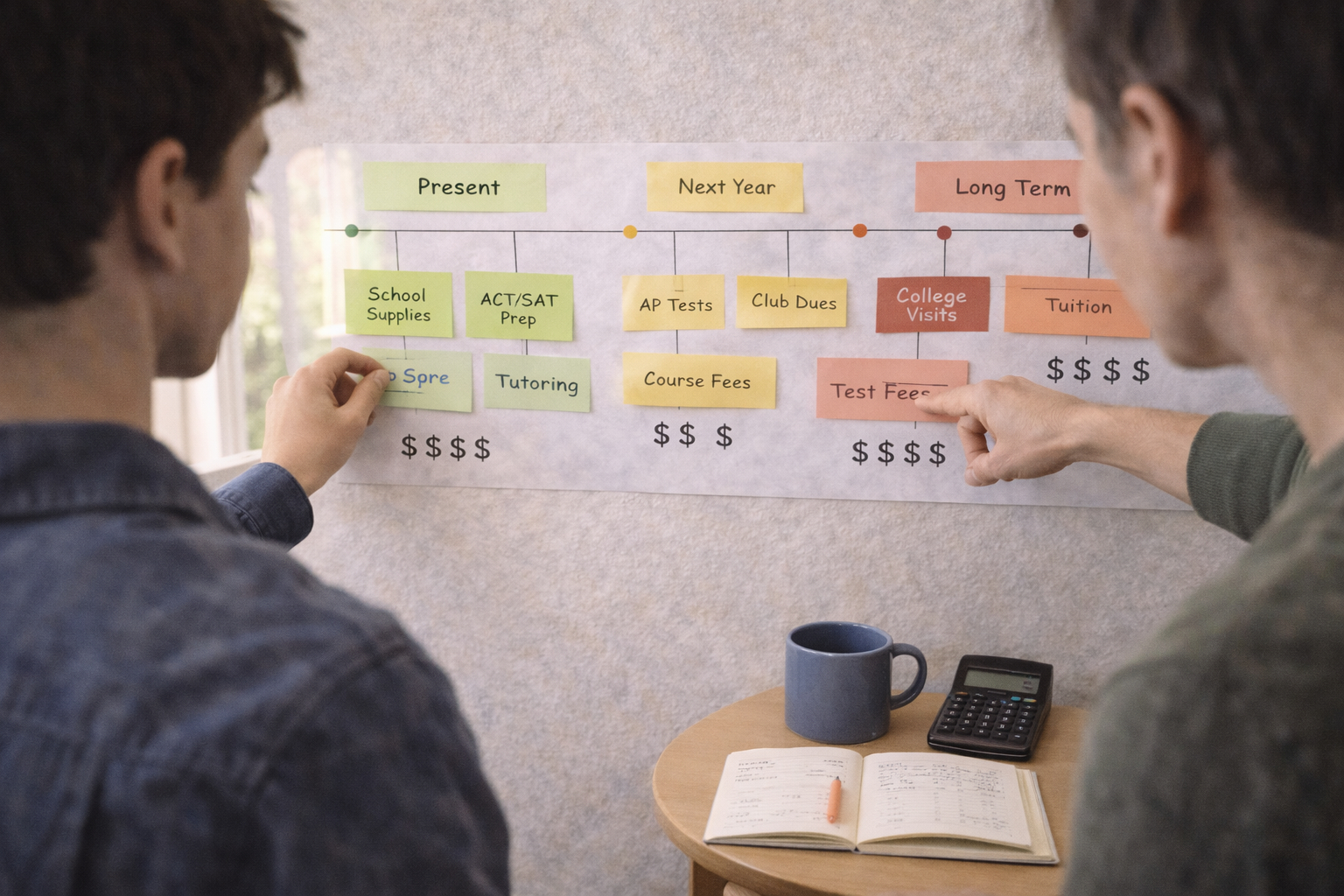
Choosing how to finance education requires more than a snapshot of tuition prices. Families and learners must consider indirect costs, opportunity costs, and how choices compound across years. This article breaks down a practical approach to spotting hidden expenses and aligning decisions with long-term learning goals. It aims to make budgeting for education more realistic and manageable.
Assessing the full cost of an education pathway starts with a clear inventory of expenses. Direct costs like tuition and fees are only part of the picture; books, supplies, transportation, and technology add up quickly. Indirect costs such as lost income during study periods and potential relocation expenses can change the calculus for many learners. Estimating these elements early creates a more accurate target for savings and support planning.
Use a consistent timeframe when estimating costs so comparisons remain meaningful across options. Project expenses annually and then aggregate for the program length to spot spikes and recurring items. Adjust projections for inflation and likely changes in living expenses. This disciplined approach prevents surprises that can derail progress mid-course.
Prioritizing and Phasing Expenses
Once you have an estimate, prioritize expenses by urgency and impact. Core costs that directly enable study—tuition, essential materials, and reliable internet—should rank highest. Secondary items, like elective workshops or premium technology, can be phased in as budget permits. Prioritization helps maintain momentum while keeping financial strain under control.
- Short-term: immediate tuition and course materials.
- Medium-term: living costs, transportation, and certification fees.
- Long-term: advanced study, professional development, and equipment upgrades.
Breaking costs into phases creates achievable milestones and supports targeted saving or borrowing strategies. It also allows reassessment at natural decision points, such as the end of a semester or program year.
Tools and Habits to Keep Costs Predictable
Practical tools reduce uncertainty and improve control over education spending. A simple spreadsheet or budgeting app can track actual expenditures against projections and highlight variances. Regular reviews, ideally monthly, let learners adjust habits before small issues become large problems. Building a margin into budgets for unexpected costs prevents reactive decisions that add expense.
Seek multiple funding sources to distribute risk and avoid overreliance on a single option. Scholarships, employer support, part-time work, and structured payment plans each have different costs and benefits. Evaluating the terms and timing of each source ensures they align with the phased plan and overall goals.
Conclusion
Understanding total education costs and organizing them into priorities and phases makes financial planning realistic. Consistent monitoring and diversified funding reduce surprises and support sustained progress. A clear, disciplined approach helps learners achieve goals without undue financial strain.